

Hurghada Historical Excursions: 7 Best Tours & Unmissable Sites

Hurghada historical excursions offer a unique opportunity to delve into Egypt’s rich past while enjoying the beautiful Red Sea coast. From ancient temples to pharaonic tombs, these excursions provide a fascinating glimpse into the wonders of ancient Egypt. Discover the best ways to experience these historical treasures.
Exploring Hurghada Historical Excursions: A Gateway to Ancient Egypt
Hurghada, a popular resort town on the Red Sea, serves not only as a haven for beach lovers and diving enthusiasts but also as a convenient base for exploring some of Egypt’s most significant historical sites. These Hurghada historical excursions offer a chance to step back in time and witness the grandeur of ancient civilizations.
The allure of these excursions lies in their accessibility and the diverse range of historical experiences they provide. From day trips to Luxor, home to the Valley of the Kings and Karnak Temple, to longer journeys to the iconic Giza Pyramids, there’s something for every history enthusiast. These tours are typically well-organized, including transportation, guided tours, and entrance fees, making it easy for visitors to immerse themselves in the past.
The Appeal of Historical Tourism in Egypt
Egypt’s historical sites are a major draw for tourists from around the globe. The country’s rich history, spanning thousands of years, has left behind a legacy of magnificent monuments, temples, and tombs. These sites offer a tangible connection to the past, allowing visitors to imagine the lives of pharaohs, priests, and ordinary people who once lived along the Nile.
- Cultural Immersion: Historical excursions provide an opportunity to learn about ancient Egyptian culture, religion, and customs.
- Architectural Marvels: Witness the impressive scale and intricate details of ancient temples and monuments.
- Educational Experience: Gain a deeper understanding of Egyptian history and its impact on the world.
The Egyptian government and tourism industry have invested heavily in preserving and promoting these historical sites, ensuring that they remain accessible and enjoyable for future generations. This commitment to cultural heritage makes Egypt a premier destination for historical tourism.
Luxor: Unveiling the Wonders of the Valley of the Kings
Luxor, often referred to as the world’s greatest open-air museum, is a must-visit destination for anyone interested in ancient Egyptian history. Located on the east bank of the Nile, Luxor is home to a wealth of historical sites, including the Valley of the Kings, Karnak Temple, and Luxor Temple. A day trip to Luxor from Hurghada is a popular Hurghada historical excursion.
The Valley of the Kings, located on the west bank of the Nile, is the final resting place of many pharaohs from the New Kingdom period (1550-1070 BC). The tombs are decorated with intricate paintings and hieroglyphics, providing valuable insights into ancient Egyptian beliefs about the afterlife. The most famous tomb in the Valley of the Kings is that of Tutankhamun, discovered in 1922 by Howard Carter.
Exploring the Tombs of the Pharaohs
Visiting the tombs in the Valley of the Kings is an unforgettable experience. Each tomb is unique, with its own layout, decorations, and historical significance. Some of the most notable tombs include:
- Tutankhamun’s Tomb (KV62): Although relatively small and simple compared to other royal tombs, Tutankhamun’s tomb is famous for its incredible treasures, including the golden mask of the pharaoh.
- Ramses VI’s Tomb (KV9): One of the largest and most elaborately decorated tombs in the Valley of the Kings, Ramses VI’s tomb features stunning astronomical ceilings and scenes from the Book of the Dead.
- Seti I’s Tomb (KV17): Known for its well-preserved reliefs and vibrant colors, Seti I’s tomb is considered one of the finest examples of ancient Egyptian art.
When visiting the Valley of the Kings, it’s important to wear comfortable shoes and clothing, as the tombs can be hot and dusty. Photography is often restricted inside the tombs, so it’s best to check the rules before entering. Also, consider booking a guided tour to learn more about the history and significance of each tomb. Many tour operators offer day trips from Hurghada.
Karnak Temple: A Journey Through Time

Karnak Temple, located on the east bank of the Nile in Luxor, is one of the largest religious complexes in the world. Built over a period of 2,000 years, the temple is dedicated to the Theban Triad: Amun-Re, Mut, and Khonsu. Karnak Temple is a sprawling complex of temples, chapels, pylons, and other structures, reflecting the changing beliefs and architectural styles of ancient Egypt. It is a central component of many Hurghada historical excursions.
The most impressive feature of Karnak Temple is the Great Hypostyle Hall, a vast hall supported by 134 massive columns. The columns are decorated with intricate carvings and hieroglyphics, depicting scenes from Egyptian mythology and history. Walking through the Great Hypostyle Hall is like stepping back in time and experiencing the grandeur of ancient Egypt.
Key Features of Karnak Temple
Karnak Temple is a complex of structures built and expanded over centuries. Key features include:
- The Great Hypostyle Hall: A massive hall with 134 columns, each intricately carved with hieroglyphics and scenes from ancient Egyptian life.
- The Avenue of Sphinxes: A processional way lined with sphinxes that once connected Karnak Temple to Luxor Temple.
- The Sacred Lake: A large artificial lake used for religious ceremonies and rituals.
- The Temple of Amun-Re: The main temple within the Karnak complex, dedicated to the chief god of Thebes.
Exploring Karnak Temple can take several hours, so it’s important to wear comfortable shoes and clothing. Consider visiting early in the morning or late in the afternoon to avoid the heat. Guided tours are available to provide a more in-depth understanding of the temple’s history and significance. The scale and detail of Karnak are truly breathtaking, providing a powerful glimpse into the religious and cultural life of ancient Egypt. The temple’s sheer size is a testament to the power and longevity of the pharaohs who commissioned its construction and expansion. Learn more about Karnak Temple on Wikipedia.
The Temple of Hatshepsut: A Monument to a Female Pharaoh
The Temple of Hatshepsut, also known as Djeser-Djeseru, is a mortuary temple dedicated to the female pharaoh Hatshepsut, who ruled Egypt during the 18th Dynasty (1479-1458 BC). Located on the west bank of the Nile in Luxor, the temple is renowned for its unique architectural design and its stunning setting against the cliffs of Deir el-Bahri. This is often included in Hurghada historical excursions focused on Luxor.
Hatshepsut was one of the few female rulers in ancient Egypt, and her temple is a testament to her power and ambition. The temple’s design is inspired by the earlier mortuary temple of Mentuhotep II, but Hatshepsut’s temple is much larger and more elaborate. The temple consists of three terraced levels, connected by ramps and colonnades. The walls are decorated with reliefs depicting scenes from Hatshepsut’s reign, including her famous expedition to the Land of Punt.
Architectural Highlights of the Temple of Hatshepsut
The temple’s unique design and intricate decorations make it a must-see:
- The Terraces: The temple is built on three levels, each offering stunning views of the surrounding landscape.
- The Colonnades: Rows of columns support the terraces and provide shade for visitors.
- The Reliefs: The walls are adorned with detailed reliefs depicting scenes from Hatshepsut’s reign, including her trade expedition to Punt.
- The Sanctuaries: The temple includes sanctuaries dedicated to various deities, including Amun, Hathor, and Anubis.
Visiting the Temple of Hatshepsut is a rewarding experience. The temple’s unique architecture and historical significance make it a highlight of any trip to Luxor. Be sure to take your time and explore all three levels of the temple, paying attention to the intricate details of the reliefs and carvings. The temple’s location against the dramatic backdrop of the cliffs adds to its beauty and makes it a truly unforgettable sight. Consider combining a historical excursion with a desert safari for a diverse experience.
Giza Pyramids and the Sphinx: Iconic Wonders of the Ancient World
The Giza Pyramids and the Sphinx, located on the Giza Plateau near Cairo, are among the most iconic and recognizable landmarks in the world. These ancient monuments were built during the Old Kingdom period (2589-2566 BC) and are a testament to the ingenuity and engineering skills of the ancient Egyptians. While further from Hurghada than Luxor, some Hurghada historical excursions offer multi-day trips to Cairo to see these sites.
The Giza Pyramids consist of three main pyramids: the Great Pyramid of Giza, built for Pharaoh Khufu; the Pyramid of Khafre, built for Pharaoh Khafre; and the Pyramid of Menkaure, built for Pharaoh Menkaure. The Great Pyramid of Giza is the largest of the three and is the only remaining wonder of the ancient world. The Sphinx, a mythical creature with the body of a lion and the head of a human, stands guard over the pyramids.
Exploring the Giza Plateau
Visiting the Giza Pyramids and the Sphinx is an awe-inspiring experience. Here are some tips for making the most of your visit:
- The Great Pyramid of Giza: Explore the interior chambers of the Great Pyramid and marvel at the precision of its construction.
- The Pyramid of Khafre: Admire the pyramid’s smooth limestone casing and visit the Valley Temple of Khafre.
- The Sphinx: Take photos of the Sphinx and learn about its history and symbolism.
- The Solar Boat Museum: See the ancient solar boat that was discovered near the Great Pyramid.
It’s important to wear comfortable shoes and clothing when visiting the Giza Plateau, as you’ll be doing a lot of walking. Consider visiting early in the morning or late in the afternoon to avoid the heat. Be prepared for crowds, especially during peak season. Also, be aware of touts and vendors who may try to sell you souvenirs or services. While a longer journey from Hurghada, the Giza Pyramids and Sphinx are well worth the effort for anyone interested in ancient Egyptian history. The sheer scale and historical significance of these monuments are truly breathtaking. After exploring the pyramids, consider a diving tour in Hurghada.
Dendera Temple: A Celestial Sanctuary
Dendera Temple, located north of Luxor, is dedicated to the goddess Hathor, associated with love, beauty, music, and motherhood. This temple is one of the best-preserved temple complexes in Egypt, showcasing stunning astronomical ceilings and intricate reliefs. While a bit further afield, it is sometimes included in extended Hurghada historical excursions.
What sets Dendera apart is its exceptionally well-preserved state, allowing visitors to appreciate the vibrant colors and intricate details of its decorations. The temple’s astronomical ceilings depict the zodiac signs and constellations known to the ancient Egyptians, providing valuable insights into their understanding of the cosmos. The temple also features a series of crypts, which were used for religious ceremonies and rituals.
Key Features of Dendera Temple
Dendera Temple offers a unique glimpse into ancient Egyptian astronomy and religious practices:
- The Astronomical Ceilings: Admire the detailed depictions of the zodiac signs and constellations.
- The Crypts: Explore the hidden crypts used for religious ceremonies.
- The Reliefs of Hathor: See the beautiful reliefs depicting the goddess Hathor and other deities.
- The Roman Mammisi: Visit the Roman-era birth house, which is dedicated to the birth of the divine child.
Dendera Temple is a must-see for anyone interested in ancient Egyptian astronomy and religion. The temple’s well-preserved state and intricate decorations make it a truly unforgettable experience. Be sure to take your time and explore all the different parts of the temple, including the astronomical ceilings, the crypts, and the reliefs of Hathor. The temple’s remote location adds to its mystique and makes it a truly special place to visit. The temple provides a unique perspective on the role of women in ancient Egyptian religion, as Hathor was one of the most important and beloved goddesses. Combine your historical tour with a super safari adventure.
Edfu Temple: The Temple of Horus
Edfu Temple, located between Luxor and Aswan, is one of the best-preserved temples in Egypt and is dedicated to the falcon-headed god Horus. Built during the Ptolemaic period (237-57 BC), the temple is a remarkable example of ancient Egyptian architecture and religious symbolism. This is often a highlight of Hurghada historical excursions that venture south.
The temple’s well-preserved state is due to the fact that it was buried under sand for centuries, protecting it from the elements. The temple is adorned with intricate reliefs and carvings, depicting scenes from the myth of Horus and Set. The temple also features a series of chapels and sanctuaries, which were used for religious ceremonies and rituals.
Exploring Edfu Temple
Edfu Temple offers a fascinating glimpse into ancient Egyptian religion and mythology:
- The Pylons: Admire the massive pylons that form the entrance to the temple.
- The Court of Offerings: Explore the open courtyard where offerings were made to the gods.
- The Sanctuary of Horus: Visit the inner sanctuary where the statue of Horus was kept.
- The Reliefs of Horus and Set: See the detailed reliefs depicting the myth of Horus and Set.
Edfu Temple is a must-see for anyone interested in ancient Egyptian religion and mythology. The temple’s well-preserved state and intricate decorations make it a truly unforgettable experience. Be sure to take your time and explore all the different parts of the temple, including the pylons, the court of offerings, and the sanctuary of Horus. The temple’s location on the banks of the Nile adds to its beauty and makes it a truly special place to visit. The temple provides valuable insights into the religious beliefs and practices of the ancient Egyptians during the Ptolemaic period. After your historical exploration, consider a diving course in Hurghada.
Misconceptions and Risks Associated with Hurghada Historical Excursions
While Hurghada historical excursions offer incredible opportunities to explore ancient Egypt, it’s crucial to be aware of potential misconceptions and risks to ensure a safe and fulfilling experience. Many tourists have unrealistic expectations or are unaware of local customs and conditions.
One common misconception is that all historical sites are easily accessible and well-maintained. While major sites like the Giza Pyramids and Karnak Temple are generally in good condition, some smaller or more remote sites may be less accessible and may have limited facilities. Another misconception is that all tours are created equal. Some tour operators may cut corners on safety, quality of guides, or transportation.
Common Misconceptions and Associated Risks
- Misconception: All sites are easily accessible. Risk: Difficulty reaching remote sites, limited facilities, potential for discomfort.
- Misconception: All tours are of equal quality. Risk: Poorly trained guides, unsafe transportation, inadequate safety measures.
- Misconception: The weather is always pleasant. Risk: Extreme heat, especially during the summer months, can lead to heatstroke and dehydration.
- Misconception: Haggling is always acceptable. Risk: Aggressive vendors, potential for scams, cultural insensitivity.
- Misconception: Bottled water is always safe. Risk: Counterfeit bottled water, potential for waterborne illnesses.
To mitigate these risks, it’s essential to do your research before booking a tour. Choose reputable tour operators with experienced guides and a proven track record of safety. Be prepared for the weather by wearing appropriate clothing, drinking plenty of water, and using sunscreen. Respect local customs and traditions, and be cautious when haggling with vendors. Always purchase bottled water from reputable sources. By being aware of these potential misconceptions and risks, you can ensure a safe and enjoyable Hurghada historical excursion. Consider a family diving experience after your historical tour.
Frequently asked questions about Hurghada historical excursions
What are the most popular Hurghada historical excursions?
The most popular excursions include day trips to Luxor to see the Valley of the Kings and Karnak Temple, as well as longer trips to the Giza Pyramids and the Sphinx. Dendera and Edfu Temples are also popular, though they require more travel time.
How far are the historical sites from Hurghada?
Luxor is approximately 4-5 hours by bus from Hurghada, while Cairo (Giza Pyramids) is about 6-7 hours. Dendera and Edfu are located between Luxor and Aswan, requiring a longer journey.
What should I wear on a Hurghada historical excursion?
Wear comfortable shoes and clothing suitable for hot weather. Hats, sunglasses, and sunscreen are also essential. Dress modestly when visiting religious sites, covering shoulders and knees.
Are guided tours included in Hurghada historical excursions?
Most organized tours include a knowledgeable guide who will provide information about the history and significance of the sites. Make sure to confirm this when booking your tour.
Is it safe to drink the water in Egypt?
It is not recommended to drink tap water in Egypt. Stick to bottled water from reputable sources to avoid waterborne illnesses.
How much does a Hurghada historical excursion cost?
The cost of a Hurghada historical excursion varies depending on the destination, duration, and tour operator. Day trips to Luxor typically range from $50 to $150, while longer trips to Cairo can cost several hundred dollars.
What is the best time of year to go on Hurghada historical excursions?
The best time to visit Egypt is during the cooler months, from October to April. The weather is more pleasant for sightseeing, and there are fewer crowds.
Can I book Hurghada historical excursions online?
Yes, many tour operators offer online booking for Hurghada historical excursions. Be sure to read reviews and compare prices before making a reservation.
Ready to Experience This in Person?
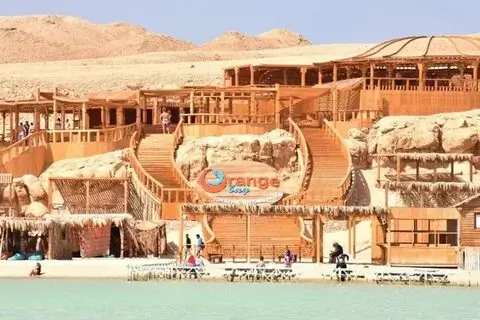
Book the official Orange Bay & Giftun Islands Boat Trip with Hurghada Sun Seekers. Enjoy guaranteed best local prices, hotel transfers, and flexible free cancellation.
Conclusion
Hurghada historical excursions provide a remarkable opportunity to explore the wonders of ancient Egypt, from the iconic pyramids to the magnificent temples of Luxor. By planning carefully and being aware of potential challenges, you can create a truly unforgettable and enriching experience.
Ready to embark on your historical adventure? Book your Hurghada historical excursion today and discover the magic of ancient Egypt! Consider diving after your historical tour or advance your skills with a diving course!



Comments (2)