

Underwater Diving Hurghada Marine Life: 7 Proven Effective Tips
Underwater diving Hurghada marine life offers a spectacular glimpse into the Red Sea’s biodiversity, attracting divers from around the globe. From colorful coral reefs to diverse fish species, the underwater ecosystem is a major draw. This article explores how to make the most of your diving experience in Hurghada.
Understanding Hurghada’s Underwater Ecosystem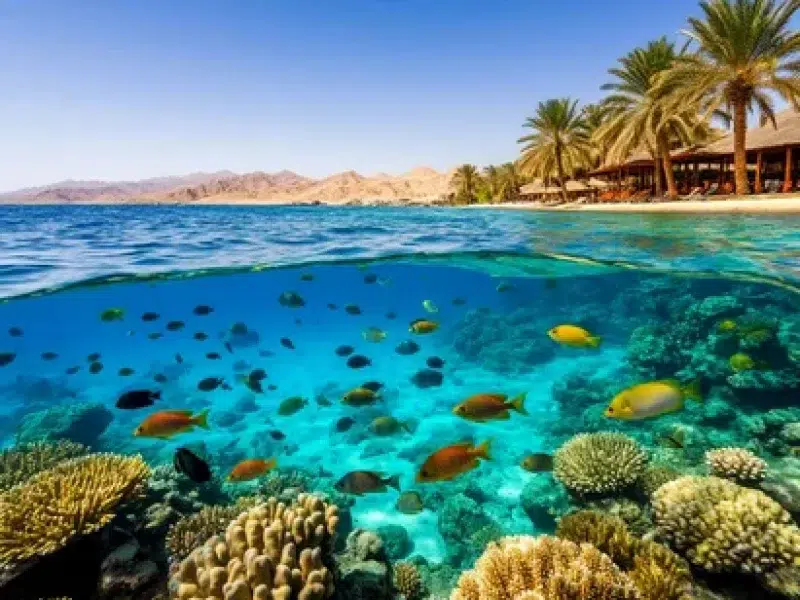
The Red Sea, and specifically the waters around Hurghada, are renowned for their exceptional clarity and rich marine biodiversity. This unique ecosystem supports a vast array of life. Divers can expect to encounter everything from tiny nudibranchs to large pelagic species.
The health of this ecosystem is crucial, not only for the local environment but also for the tourism industry that thrives on it. Understanding the delicate balance of the reef is key to responsible diving.
Coral Reef Formation
Coral reefs are the foundation of the underwater ecosystem. They are formed by colonies of tiny animals called coral polyps.
- These polyps secrete calcium carbonate, creating the hard structures we recognize as coral.
- Different types of coral create diverse habitats, attracting a wide variety of marine life.
- The health of the coral directly impacts the health of the entire reef system.
Mini-takeaway: Healthy coral reefs are essential for a thriving marine ecosystem, supporting a diverse range of species and providing shelter and food sources.
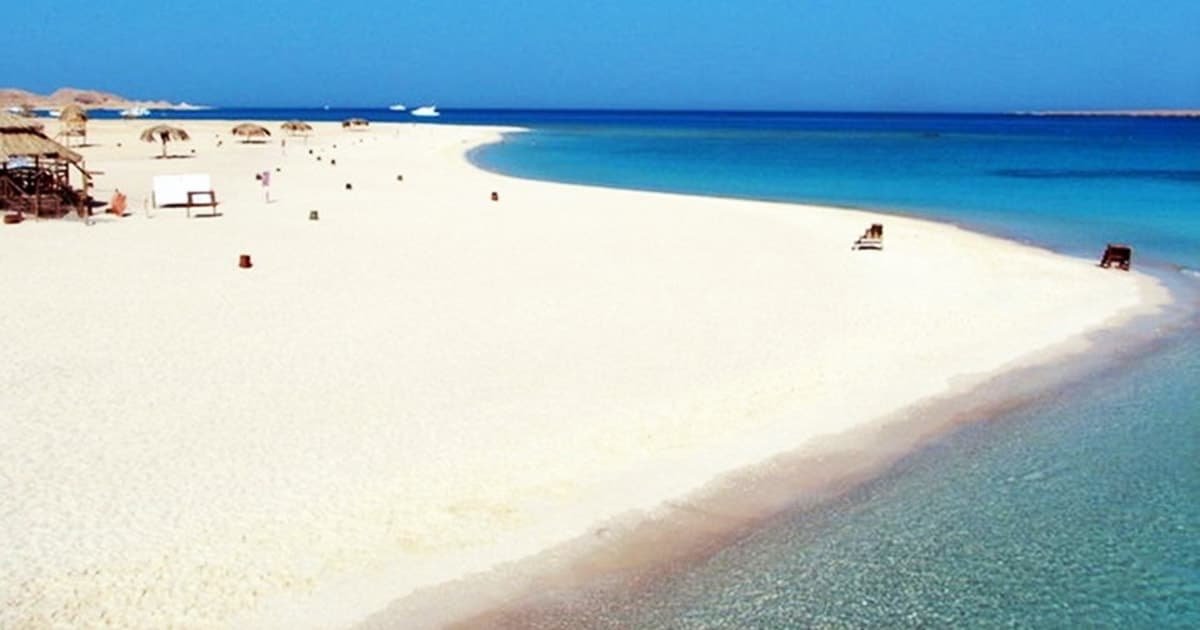
Key Species to Observe
Hurghada’s waters are home to a multitude of fascinating marine species. Divers often seek out specific creatures during their dives.
- Reef Fish: Butterflyfish, angelfish, and parrotfish are common sights, adding vibrant colors to the reef.
- Larger Pelagics: Sharks (such as white tip reef sharks), rays, and occasionally dolphins can be spotted in deeper waters.
- Invertebrates: Nudibranchs, sea anemones, and various crustaceans contribute to the reef’s biodiversity.
Therefore, knowing what to look for can greatly enhance your diving experience. Consider researching local species before your trip.
Environmental Factors
Several environmental factors influence the health and stability of Hurghada’s underwater ecosystem.
- Water Temperature: The Red Sea maintains a relatively stable temperature, which is crucial for coral survival.
- Salinity: High salinity levels contribute to the unique characteristics of the Red Sea.
- Pollution: Pollution from land-based sources and boats can negatively impact the reef.
As a result, sustainable tourism practices are vital to protect this fragile environment. Divers should be mindful of their impact on the reef.
Top Dive Sites for Underwater Diving Hurghada Marine Life
Hurghada boasts numerous dive sites, each offering a unique experience. Selecting the right site depends on your skill level and interests. From shallow reefs to deeper wrecks, there’s something for every diver.
Furthermore, many dive sites are easily accessible by boat, making them convenient for both beginners and experienced divers.
Abu Ramada South
Abu Ramada South, also known as the Aquarium, is a popular site known for its abundant fish life. It is suitable for divers of all levels.
- The shallow reef is teeming with colorful reef fish.
- Occasional sightings of larger pelagics are possible.
- The gentle currents make it an ideal site for beginners.
In addition, the clear waters provide excellent visibility, perfect for underwater photography.
Giftun Island
Giftun Island offers a variety of dive sites, including both reefs and walls. It is a protected area, ensuring the preservation of its marine life.
- Small Giftun: Known for its strong currents and diverse coral formations.
- Banana Reef: A shallow, sheltered reef perfect for beginners and snorkelers.
- Careless Reef: Famous for its resident moray eels and occasional dolphin sightings.
Moreover, the island’s proximity to Hurghada makes it a convenient destination for day trips.
SS Thistlegorm Wreck
The SS Thistlegorm is a British cargo ship that was sunk during World War II. It is now one of the most famous wreck dives in the world.
- The wreck is home to a vast array of marine life.
- Divers can explore the ship’s cargo, including motorcycles, trucks, and weapons.
- The dive requires advanced certification due to its depth and complexity.
However, the experience of diving on this historic wreck is truly unforgettable.
Essential Gear for Underwater Diving in Hurghada
Having the right gear is crucial for a safe and enjoyable diving experience. Proper equipment not only enhances comfort but also ensures your safety underwater. Renting or purchasing gear depends on your diving frequency and preferences.
Therefore, familiarizing yourself with the function and maintenance of each piece of equipment is essential.
Basic Diving Equipment
The following items are considered basic equipment for any dive:
- Mask: Provides clear underwater vision.
- Snorkel: Allows for surface breathing without using the air tank.
- Fins: Propel you through the water with ease.
- Wetsuit: Provides thermal protection in the water.
In addition, ensure that your mask fits properly to prevent leaks and that your fins are comfortable for extended use.
Advanced Diving Equipment
For more experienced divers, the following equipment is often necessary:
- BCD (Buoyancy Control Device): Allows you to control your buoyancy underwater.
- Regulator: Delivers air from the tank to your mouth.
- Dive Computer: Monitors depth, time, and other vital information.
- Dive Torch: Provides illumination in dark or murky waters.
Moreover, proper training is required to use this equipment safely and effectively.
Equipment Maintenance
Regular maintenance is essential to ensure the longevity and reliability of your diving gear.
- Rinse all equipment with fresh water after each dive.
- Inspect gear for signs of wear and tear.
- Have your regulator and BCD serviced annually by a certified technician.
As a result, proper care will extend the life of your equipment and ensure its optimal performance.
Safety Tips for Underwater Diving Hurghada Marine Life
Safety should always be the top priority when underwater diving. Understanding the risks and taking necessary precautions can prevent accidents and ensure a safe diving experience. Always dive within your limits and follow established safety protocols.
Furthermore, communication with your dive buddy and adherence to dive plans are crucial for a safe dive.
Pre-Dive Checks
Before entering the water, perform a thorough pre-dive check:
- Check your equipment to ensure it is functioning properly.
- Review the dive plan with your buddy.
- Assess the weather conditions and water currents.
In addition, ensure that you are well-rested and hydrated before diving.
During the Dive
While underwater, adhere to the following safety guidelines:
- Maintain constant communication with your dive buddy.
- Monitor your depth and air supply.
- Avoid touching or disturbing marine life.
- Ascend slowly and perform a safety stop at 5 meters for 3 minutes.
Moreover, be aware of your surroundings and potential hazards, such as strong currents or boat traffic.
Post-Dive Procedures
After the dive, follow these procedures:
- Debrief with your dive buddy to discuss the dive.
- Log your dive in your dive logbook.
- Rinse your equipment with fresh water.
Therefore, proper post-dive procedures help to prevent equipment damage and ensure accurate record-keeping.
Book your diving tour in Hurghada with a reputable operator.
Common Misconceptions About Diving in Hurghada
Several misconceptions surround diving in Hurghada, which can lead to unsafe practices or missed opportunities. Addressing these misconceptions is essential for ensuring a safe and enjoyable experience. Many novice divers hold inaccurate beliefs that can affect their preparation and behavior underwater.
Therefore, clarifying these myths can help divers make informed decisions and appreciate the underwater world responsibly.
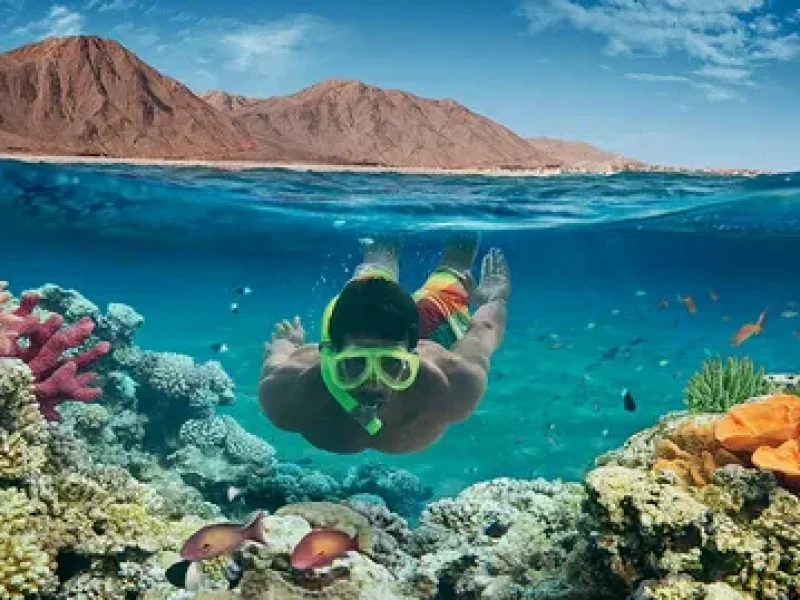 Myth: Diving is Only for Experienced Swimmers
While being comfortable in the water is beneficial, strong swimming skills are not a prerequisite for diving. Certified dive courses teach basic water skills and provide necessary training.
- Dive instructors offer personalized guidance and support.
- Buoyancy control devices assist with staying afloat.
- Beginner-friendly dive sites have calm conditions and shallow depths.
In addition, introductory dive programs allow non-swimmers to experience diving under close supervision.
Myth: Sharks are Always Dangerous
Sharks are often portrayed as aggressive predators, but most species are harmless to humans. In Hurghada, encounters with sharks are rare, and attacks are even rarer.
- White tip reef sharks are common but generally docile.
- Following dive guidelines minimizes the risk of attracting sharks.
- Respecting their habitat ensures a peaceful coexistence.
Moreover, sharks play a vital role in the marine ecosystem, and observing them in their natural habitat can be a rewarding experience.
Myth: All Dive Operators are the Same
The quality of dive operators can vary significantly. Choosing a reputable operator is crucial for safety and enjoyment. Look for certified instructors, well-maintained equipment, and a commitment to environmental conservation.
- Check online reviews and ask for recommendations.
- Ensure they follow established safety protocols.
- Inquire about their environmental practices.
As a result, selecting a responsible operator can enhance your diving experience and contribute to the preservation of the marine environment. Consider staying at a resort with a reputable dive center.
The Impact of Tourism on Marine Life
Tourism, while beneficial to the local economy, can have significant impacts on marine life. Understanding these impacts and adopting sustainable practices is crucial for preserving Hurghada’s underwater ecosystem. Responsible tourism ensures that future generations can enjoy the beauty of the Red Sea.
Therefore, divers have a responsibility to minimize their footprint and support conservation efforts.
Negative Impacts
Several tourism-related activities can negatively affect marine life:
- Pollution: Boat traffic, sewage, and plastic waste can pollute the water and harm marine organisms.
- Physical Damage: Divers touching or breaking coral can damage the delicate reef structure.
- Overfishing: Unsustainable fishing practices can deplete fish populations and disrupt the food chain.
In addition, anchoring boats in sensitive areas can cause significant damage to coral reefs.
Sustainable Practices
Adopting sustainable practices can help mitigate the negative impacts of tourism:
- Choose Eco-Friendly Operators: Support dive operators that prioritize environmental conservation.
- Practice Responsible Diving: Avoid touching or disturbing marine life, and maintain neutral buoyancy.
- Reduce Waste: Minimize your use of single-use plastics and dispose of waste properly.
- Support Conservation Efforts: Donate to local organizations working to protect the marine environment.
Moreover, educating yourself and others about the importance of marine conservation can make a significant difference.
Consider a private boat trip to minimize your impact on crowded dive sites.
The Role of Education
Education plays a crucial role in promoting sustainable tourism. Divers who understand the importance of marine conservation are more likely to act responsibly.
- Attend briefings on local marine life and conservation efforts.
- Learn about the impacts of tourism on the reef.
- Share your knowledge with others.
As a result, informed divers can become advocates for marine conservation and help protect Hurghada’s underwater ecosystem.
Frequently asked questions about underwater diving hurghada marine life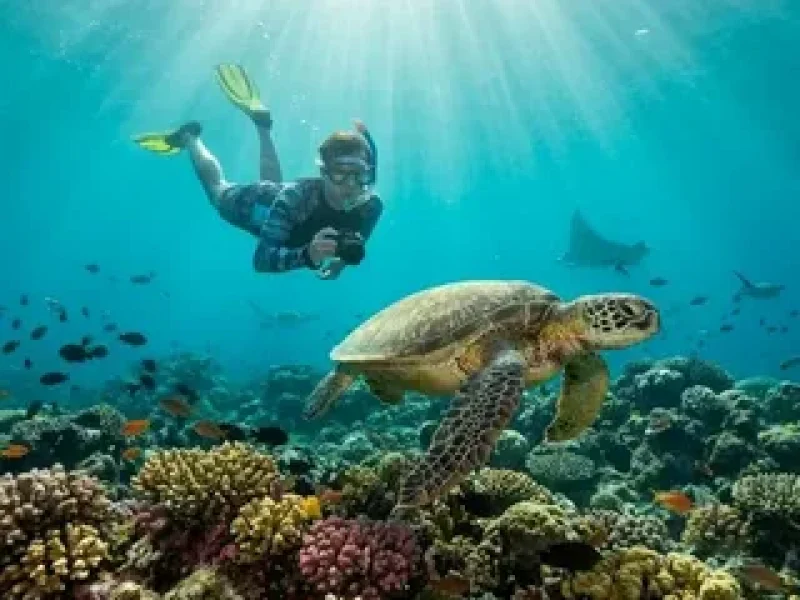
What is the best time of year for underwater diving hurghada marine life?
The best time for diving in Hurghada is generally from April to June and September to November. During these months, the water temperature is comfortable, and visibility is excellent. However, diving is possible year-round in Hurghada.
What marine life can I expect to see while underwater diving in Hurghada?
You can expect to see a diverse range of marine life, including colorful reef fish, sharks, rays, dolphins, and various invertebrates. The coral reefs are teeming with life, making for a vibrant and unforgettable diving experience. Keep an eye out for moray eels!
Do I need to be a certified diver to experience underwater diving in Hurghada?
While certification is required for independent diving, many dive operators offer introductory courses and guided dives for beginners. These programs allow non-certified individuals to experience the thrill of diving under the supervision of experienced instructors. Some trips combine diving and fishing.
What is the average water temperature for underwater diving in Hurghada?
The water temperature in Hurghada ranges from 22°C (72°F) in winter to 30°C (86°F) in summer. A wetsuit is typically recommended for diving, especially during the cooler months. The stable temperatures contribute to the health of the coral reefs.
Are there any specific safety precautions I should take while underwater diving in Hurghada?
Yes, always dive with a buddy, monitor your depth and air supply, avoid touching marine life, and ascend slowly with a safety stop. It’s also crucial to choose a reputable dive operator and follow their instructions carefully. Consider a family-friendly diving and fishing trip for added safety.
How deep can I dive while underwater diving in Hurghada?
The maximum depth for recreational diving is typically 30 meters (100 feet). However, the appropriate depth depends on your certification level and experience. Some dive sites may have deeper sections that require advanced certification. Always dive within your limits.
What should I do if I encounter a shark while underwater diving in Hurghada?
Remain calm and avoid sudden movements. Most sharks are not aggressive and will simply swim past you. Maintain eye contact and slowly back away if necessary. Never attempt to touch or feed a shark. If you’re interested in seeing sharks, consider a big game fishing tour.
How can I help protect the marine life while underwater diving in Hurghada?
Avoid touching or disturbing marine life, maintain neutral buoyancy to prevent damage to coral, and reduce your use of single-use plastics. Support eco-friendly dive operators and participate in conservation efforts. Educate yourself and others about the importance of marine conservation. You might also be interested in a sport fishing tour.
Conclusion
Underwater diving Hurghada marine life offers an unparalleled opportunity to explore the Red Sea’s vibrant underwater world. By understanding the ecosystem, choosing the right gear, and prioritizing safety, divers can have an unforgettable experience.
Ready to explore the depths? Book your next underwater adventure in Hurghada today and discover the wonders that await! Consider combining your dive with a half-day fishing trip for a complete Red Sea experience.
Comment (0)