

Advanced Diving Hurghada Red Sea Reefs: 7 Top Amazing Spots
Advanced diving hurghada red sea reefs offers experienced divers the chance to explore some of the most stunning and challenging dive sites in the world. With vibrant coral gardens, diverse marine life, and fascinating wrecks, the Red Sea provides an unparalleled underwater adventure for those seeking more than just a beginner’s experience. This article will guide you through the best spots and essential considerations for advanced diving in Hurghada.
Understanding Advanced Diving in Hurghada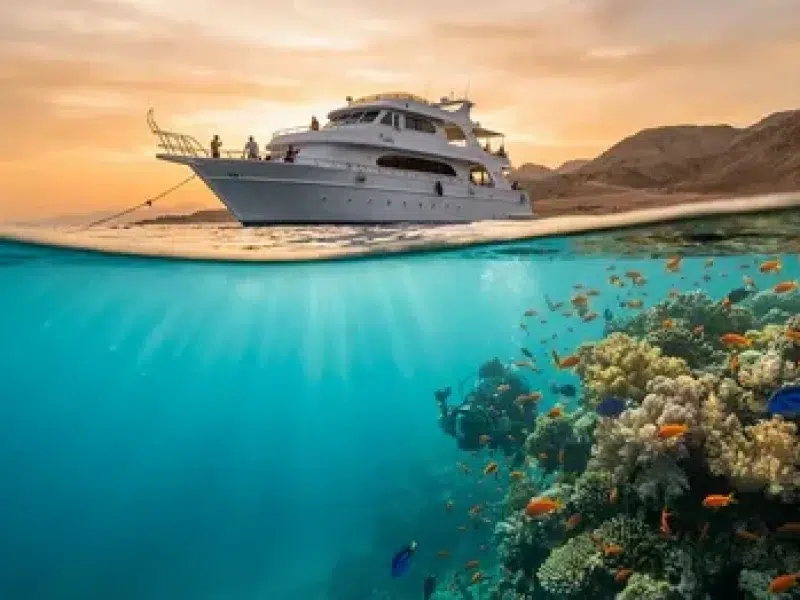
Advanced diving in Hurghada transcends recreational diving, demanding a higher level of skill, experience, and awareness. It involves navigating deeper waters, exploring complex underwater structures, and managing more challenging environmental conditions. This form of diving is not just about seeing more; it’s about mastering the art of underwater exploration.
The Red Sea, particularly around Hurghada, is renowned for its exceptional visibility, diverse marine ecosystems, and historical wrecks. However, these attractions come with inherent risks that require advanced training and meticulous planning. Divers must be proficient in buoyancy control, gas management, and emergency procedures to safely enjoy these sites.
What Defines Advanced Diving?
Advanced diving is typically characterized by depths exceeding 18 meters (60 feet), often reaching 40 meters (130 feet) or more. It may also include dives in overhead environments like caves or wrecks, requiring specialized techniques and equipment. Furthermore, advanced dives often involve stronger currents, lower visibility, or more complex dive profiles.
- Depth: Diving beyond recreational limits requires careful planning to avoid nitrogen narcosis and decompression sickness.
- Environment: Wrecks and caves demand precise navigation and awareness of potential hazards like entanglement.
- Conditions: Strong currents and reduced visibility can significantly increase the difficulty of a dive.
Therefore, advanced diving is diving that requires more training than basic open water certification.
Why Choose Hurghada for Advanced Diving?
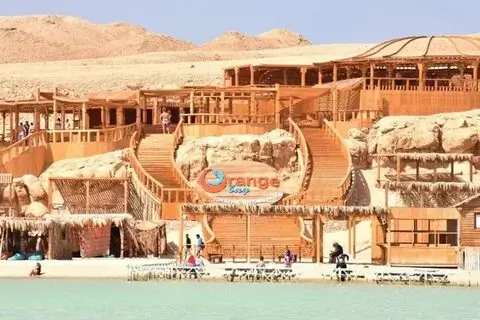
Hurghada offers a unique combination of accessibility, stunning dive sites, and experienced dive operators. The Red Sea’s warm, clear waters provide excellent visibility, making it easier to navigate complex underwater environments. Moreover, the abundance of marine life and historical wrecks creates a captivating experience for advanced divers.
In addition, Hurghada’s well-established diving infrastructure ensures access to high-quality equipment, experienced guides, and comprehensive safety support. Divers can choose from a variety of dive centers offering specialized courses and guided tours tailored to advanced skill levels. This combination of natural beauty and professional support makes Hurghada an ideal destination for advanced diving adventures. Diving tours in Hurghada are popular for this reason.
Top Dive Sites for Advanced Divers in Hurghada
Hurghada boasts a wealth of dive sites that cater specifically to advanced divers, each offering unique challenges and rewards. From dramatic walls and vibrant coral gardens to historic wrecks teeming with marine life, these sites promise unforgettable underwater experiences. Divers should carefully consider their skill level and experience when selecting a dive site.
Before diving, it’s crucial to consult with local dive operators to assess current conditions and potential hazards. Proper planning and preparation are essential for a safe and enjoyable advanced diving experience. The following sites are all popular for things to do by the Red Sea.
1. The SS Thistlegorm Wreck
The SS Thistlegorm is arguably the most famous wreck dive in the Red Sea. This British armed merchant navy ship was sunk by German aircraft in 1941 and now rests at a depth of 30 meters (98 feet). The wreck is remarkably well-preserved, offering a fascinating glimpse into wartime maritime history.
- Highlights: Motorcycles, trucks, railway cars, and various military supplies.
- Challenges: Strong currents, limited visibility, and the potential for disorientation inside the wreck.
- Marine Life: Abundant fish, including barracuda, tuna, and groupers.
Therefore, this wreck is a must-see for experienced wreck divers.
2. Abu Nuhas Reef
Abu Nuhas is a triangular reef located in the northern Red Sea, notorious for the number of shipwrecks it has claimed over the years. Four well-known wrecks lie at varying depths around the reef, offering a diverse range of diving experiences. Each wreck has its own unique story and marine ecosystem.
- The Giannis D: A Greek freighter that sank in 1983, lying on its side at a depth of 24 meters (79 feet).
- The Carnatic: A British P&O steamer that sank in 1869, now encrusted with corals and teeming with marine life.
- The Chrisoula K: A Greek freighter carrying Italian floor tiles, which sank in 1981.
- The Kimon M: A German freighter that sank in 1978, broken into two sections.
Consequently, Abu Nuhas is a wreck diving paradise.
3. The Rosalie Moller Wreck
The Rosalie Moller is another British freighter sunk during World War II, often considered the “sister ship” of the Thistlegorm. It lies at a depth of 50 meters (164 feet), making it a challenging but rewarding dive for experienced technical divers. The wreck is largely intact, with its cargo still visible inside.
- Highlights: Well-preserved structure, cargo holds, and marine life.
- Challenges: Significant depth, strong currents, and limited visibility.
- Marine Life: Large schools of fish and various coral formations.
As a result, this dive requires advanced planning and equipment.
4. Elphinstone Reef
Elphinstone Reef is a legendary offshore reef known for its dramatic walls, strong currents, and abundant marine life. It’s a popular spot for shark encounters, with frequent sightings of oceanic whitetip sharks, hammerhead sharks, and reef sharks. The reef’s steep walls are covered in vibrant corals and sponges.
- Highlights: Shark encounters, colorful corals, and strong currents.
- Challenges: Strong currents, deep drop-offs, and exposure to open water.
- Marine Life: Sharks, barracuda, tuna, and various reef fish.
Thus, Elphinstone is for experienced divers seeking adrenaline.
5. Daedalus Reef (Abu Kizan)
Daedalus Reef, also known as Abu Kizan, is an isolated reef located far offshore, offering pristine diving conditions and abundant marine life. It’s marked by a historic lighthouse and features steep walls, strong currents, and frequent shark sightings. The reef is renowned for its hammerhead shark encounters during the summer months.
- Highlights: Hammerhead sharks, pristine corals, and excellent visibility.
- Challenges: Remote location, strong currents, and exposure to open water.
- Marine Life: Hammerhead sharks, reef sharks, tuna, and barracuda.
Therefore, this is a remote but rewarding dive site.
6. The Salem Express Wreck
The Salem Express is a controversial but historically significant wreck, a passenger ferry that sank in 1991 with a tragic loss of life. It lies at a depth of 30 meters (98 feet) and serves as a somber reminder of maritime disasters. Diving on this wreck is a sensitive and respectful experience.
- Highlights: Historical significance, well-preserved structure, and marine life.
- Challenges: Strong currents, limited visibility, and the emotional impact of the disaster.
- Marine Life: Various reef fish and coral formations.
Consequently, this dive requires respect and sensitivity.
Essential Skills for Advanced Red Sea Diving
Advanced diving in the Red Sea demands a specific set of skills that go beyond basic open water certification. Divers must be proficient in buoyancy control, navigation, gas management, and emergency procedures to safely explore challenging dive sites. Mastering these skills is crucial for both personal safety and the preservation of the underwater environment.
Continuous training and practice are essential for maintaining and improving these skills. Divers should regularly participate in advanced diving courses and seek guidance from experienced instructors. Remember, complacency can be dangerous in advanced diving scenarios.
1. Buoyancy Control
Precise buoyancy control is paramount for advanced diving, allowing divers to navigate delicate coral reefs and complex underwater structures without causing damage. Divers must be able to maintain neutral buoyancy at various depths and in different current conditions. This requires fine-tuning breathing techniques and mastering the use of buoyancy compensators (BCDs).
In addition, proper weighting is crucial for achieving optimal buoyancy control. Divers should adjust their weight to compensate for changes in depth and the compressibility of their wetsuits. Regular practice in a controlled environment can help divers refine their buoyancy skills and develop muscle memory.
2. Navigation
Accurate underwater navigation is essential for exploring wrecks, caves, and other complex dive sites. Divers must be proficient in using compasses, natural landmarks, and dive computers to maintain their course and return safely to the surface. Navigation skills are particularly important in low-visibility conditions or strong currents.
Furthermore, divers should develop a mental map of the dive site before entering the water, noting key landmarks and potential hazards. Regular practice with navigation tools and techniques can improve divers’ confidence and reduce the risk of getting lost underwater. Private boat experiences can help you find less travelled dive sites.
3. Gas Management
Efficient gas management is critical for extending dive times and avoiding potentially dangerous situations. Divers must be able to accurately calculate their air consumption rates and plan their dives accordingly. This involves monitoring tank pressure, depth, and dive time, as well as understanding the effects of exertion and stress on gas consumption.
Moreover, divers should practice proper breathing techniques to conserve air and minimize the risk of running out of gas. Sharing air with a buddy in an emergency situation requires clear communication and well-rehearsed procedures. Advanced diving courses often include specialized training in gas management techniques.
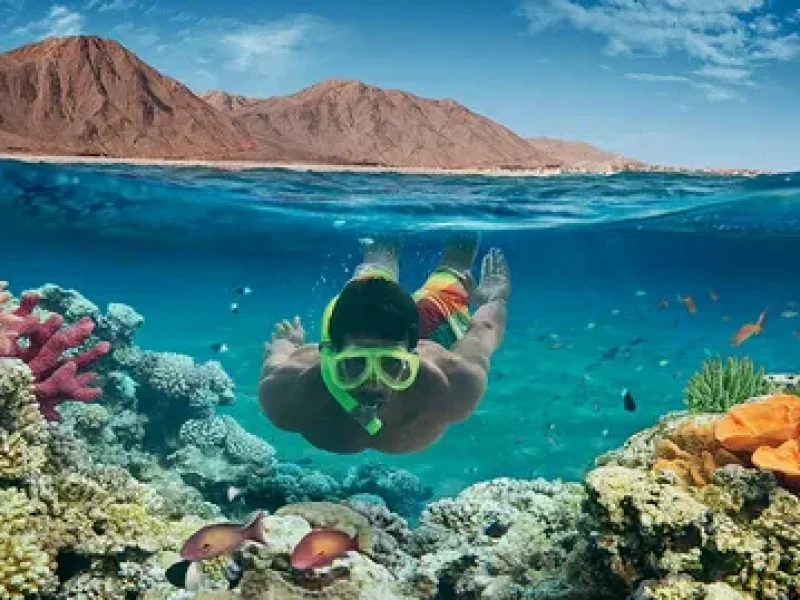 4. Emergency Procedures
Being prepared for emergencies is a fundamental aspect of advanced diving. Divers must be knowledgeable in a variety of rescue techniques, including assisting a panicked diver, performing underwater resuscitation, and managing equipment failures. Regular practice with these procedures can improve divers’ response time and effectiveness in critical situations.
In addition, divers should carry appropriate safety equipment, such as a dive knife, a signaling device, and a first-aid kit. A well-defined emergency plan, including communication protocols and evacuation procedures, is essential for minimizing the impact of potential accidents. Sport fishing tours also require solid safety protocols.
Gear Recommendations for Advanced Diving
Selecting the right gear is crucial for ensuring safety, comfort, and performance during advanced dives. Advanced diving often requires specialized equipment that goes beyond standard recreational gear. Divers should invest in high-quality, reliable equipment that is appropriate for the specific challenges of the dive site.
Regular maintenance and inspection of diving gear are essential for identifying potential problems and ensuring optimal performance. Divers should follow the manufacturer’s recommendations for cleaning, storage, and servicing their equipment. Proper gear maintenance can extend the lifespan of diving equipment and reduce the risk of malfunctions.
1. Dive Computer
A dive computer is an indispensable tool for advanced diving, providing real-time information on depth, dive time, ascent rate, and decompression status. Advanced dive computers offer features such as gas switching, nitrox compatibility, and integrated compasses. Divers should choose a dive computer that is easy to read and operate underwater.
Moreover, divers should familiarize themselves with the dive computer’s functions and settings before entering the water. Regular practice with the dive computer can improve divers’ ability to interpret the data and make informed decisions during the dive. A dive computer is essential for monitoring gas consumption and avoiding decompression sickness.
2. Buoyancy Compensator (BCD)
A high-quality BCD is essential for maintaining neutral buoyancy and controlling ascent and descent rates. Advanced BCDs offer features such as integrated weight systems, multiple inflation/deflation valves, and durable construction. Divers should choose a BCD that fits comfortably and provides adequate lift capacity.
Furthermore, divers should practice using the BCD in a controlled environment to develop muscle memory and improve their ability to adjust buoyancy quickly and efficiently. A well-fitting BCD can enhance comfort and reduce fatigue during long or challenging dives.
3. Regulator
A reliable regulator is critical for breathing comfortably and safely underwater. Advanced regulators offer features such as balanced first and second stages, adjustable breathing resistance, and cold-water compatibility. Divers should choose a regulator that provides consistent airflow at various depths and in different breathing conditions.
In addition, divers should have their regulators serviced regularly by a qualified technician to ensure optimal performance and prevent malfunctions. A well-maintained regulator can provide peace of mind and enhance the overall diving experience.
4. Wetsuit or Drysuit
Appropriate thermal protection is essential for maintaining body temperature and preventing hypothermia during advanced dives. Divers should choose a wetsuit or drysuit that is appropriate for the water temperature and dive duration. Wetsuits provide insulation by trapping a thin layer of water against the skin, while drysuits create a waterproof barrier that keeps the diver completely dry.
Moreover, divers should consider wearing additional thermal layers, such as a rash guard or a thermal vest, to enhance insulation in colder water conditions. Proper thermal protection can improve comfort and extend dive times, especially in the Red Sea’s cooler months.
Safety Considerations for Advanced Dives
Safety is paramount in advanced diving, requiring meticulous planning, thorough preparation, and adherence to established protocols. Advanced dives often involve greater depths, stronger currents, and more complex underwater environments, increasing the risk of accidents. Divers must be aware of potential hazards and take appropriate precautions to mitigate them.
Continuous education and training are essential for staying current with best practices and improving safety skills. Divers should regularly participate in advanced diving courses and seek guidance from experienced instructors. Remember, a proactive approach to safety can prevent accidents and ensure a positive diving experience.
1. Dive Planning
Comprehensive dive planning is essential for minimizing risks and ensuring a safe and enjoyable dive. Divers should carefully research the dive site, assess current conditions, and develop a detailed dive plan that includes depth limits, dive time, gas consumption, and emergency procedures. The dive plan should be shared with all members of the dive team.
In addition, divers should consider potential hazards, such as strong currents, limited visibility, and marine life encounters. A well-defined dive plan can help divers anticipate and respond effectively to unexpected situations. Cheap trip packages often skip important safety planning.
2. Buddy System
The buddy system is a fundamental safety principle in diving, requiring divers to pair up and support each other throughout the dive. Buddies should communicate regularly, monitor each other’s air supply, and assist each other in case of an emergency. The buddy system can provide an extra layer of safety and reduce the risk of accidents.
Moreover, buddies should agree on a set of hand signals and communication protocols before entering the water. Regular practice with buddy drills can improve divers’ ability to respond effectively to emergencies. A strong buddy relationship can enhance the overall diving experience and provide peace of mind.
3. Decompression Sickness (DCS)
Decompression sickness, also known as “the bends,” is a serious condition that can occur when divers ascend too quickly from depth. DCS results from the formation of nitrogen bubbles in the bloodstream and tissues, causing pain, neurological symptoms, and even death. Divers can minimize the risk of DCS by following established decompression procedures and avoiding rapid ascents.
In addition, divers should monitor their dive computers closely and adhere to the recommended ascent rates and safety stops. Staying hydrated and avoiding strenuous activity after diving can also reduce the risk of DCS. In case of suspected DCS, divers should seek immediate medical attention.
4. Nitrogen Narcosis
Nitrogen narcosis is a temporary alteration of consciousness that can occur at depth due to the increased partial pressure of nitrogen. The effects of nitrogen narcosis can range from mild euphoria to severe disorientation, impairing judgment and increasing the risk of accidents. Divers can minimize the risk of nitrogen narcosis by limiting their depth and using trimix (a mixture of helium, oxygen, and nitrogen) for deeper dives.
Moreover, divers should be aware of the symptoms of nitrogen narcosis and monitor their own mental state throughout the dive. Ascending to a shallower depth can often alleviate the effects of nitrogen narcosis. Proper training and experience can help divers manage the risks associated with nitrogen narcosis.
Common Misconceptions and Risks
Several misconceptions surround advanced diving, often leading to underestimation of the inherent risks. One common mistake is assuming that prior experience in recreational diving automatically qualifies someone for advanced dives. The skills and knowledge required for advanced diving are significantly different and demand specialized training.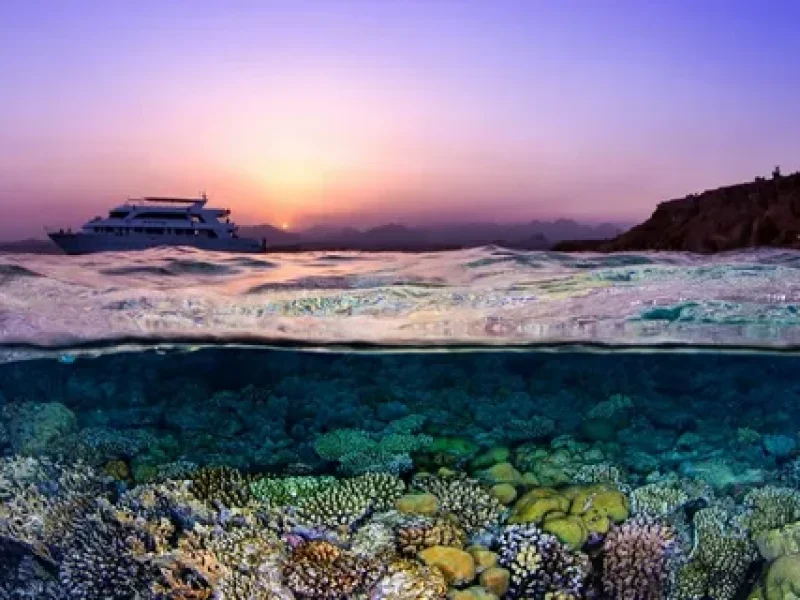
Another misconception is that advanced diving is solely about reaching greater depths. While depth is a factor, advanced diving also encompasses navigating complex environments, managing challenging conditions, and handling emergency situations. Failing to recognize these nuances can lead to dangerous situations.
1. Underestimating the Red Sea Currents
The Red Sea is known for its strong and unpredictable currents, which can quickly turn a pleasant dive into a challenging ordeal. Many divers underestimate the force of these currents, leading to exhaustion, disorientation, and even separation from their dive buddies. Divers should always assess the current conditions before entering the water and plan their dives accordingly.
Moreover, divers should be prepared to abort the dive if the current becomes too strong or unmanageable. Swimming against a strong current can quickly deplete air supply and increase the risk of decompression sickness. Proper training in current diving techniques is essential for navigating the Red Sea safely.
2. Ignoring Dive Computer Warnings
Dive computers are invaluable tools for monitoring depth, dive time, and decompression status. However, some divers tend to ignore the warnings and alarms issued by their dive computers, often due to overconfidence or a desire to extend their dive time. Ignoring these warnings can significantly increase the risk of decompression sickness and other diving-related injuries.
Divers should always heed the warnings issued by their dive computers and take appropriate action to mitigate the risks. Ascending to a shallower depth or terminating the dive may be necessary to avoid potentially dangerous situations. A dive computer is only as effective as the diver who uses it responsibly.
3. Lack of Proper Equipment Maintenance
Neglecting equipment maintenance is a common mistake that can lead to equipment failures and potentially life-threatening situations. Divers should regularly inspect and maintain their diving gear, following the manufacturer’s recommendations for cleaning, storage, and servicing. Worn or damaged equipment can malfunction underwater, compromising safety and performance.
Moreover, divers should have their regulators, BCDs, and dive computers serviced annually by a qualified technician. Proper equipment maintenance can extend the lifespan of diving gear and reduce the risk of malfunctions. A well-maintained set of diving gear is a sign of a responsible and safety-conscious diver.
Frequently asked questions about advanced diving hurghada red sea reefs
What qualifications do I need for advanced diving in Hurghada?
Typically, you’ll need an Advanced Open Water Diver certification or equivalent, plus proof of experience with a certain number of logged dives. Some dive sites may require additional certifications, such as wreck or deep diving specialties.
What is the best time of year for advanced diving hurghada red sea reefs?
The best time is generally from April to June and September to November when the water temperature is comfortable, and visibility is excellent. Summer months can be very hot, while winter months may have cooler water temperatures.
Are there any specific health requirements for advanced diving?
Yes, you should be in good physical health and free from any medical conditions that could be aggravated by diving, such as heart problems, respiratory issues, or epilepsy. A diving medical examination is recommended.
What kind of marine life can I expect to see?
The Red Sea is teeming with marine life, including colorful coral reefs, diverse fish species, sharks (such as hammerheads and oceanic whitetips), dolphins, turtles, and various invertebrates. The specific marine life you encounter will depend on the dive site and time of year.
How deep are the advanced dive sites in Hurghada?
Advanced dive sites typically range from 30 to 50 meters (100 to 165 feet) or more. Some technical dives can go even deeper. Always check the depth rating of your certification and equipment before diving.
What are the risks of advanced diving in the Red Sea?
Risks include decompression sickness (the bends), nitrogen narcosis, strong currents, equipment malfunction, marine life encounters (such as sharks or stonefish), and disorientation in wrecks or caves. Proper training, planning, and equipment are essential to mitigate these risks.
Do I need special insurance for advanced diving?
Yes, it’s highly recommended to have specialized dive insurance that covers medical expenses, evacuation, and equipment loss or damage. DAN (Divers Alert Network) is a popular provider of dive insurance.
Can I rent advanced diving equipment in Hurghada?
Yes, most dive centers in Hurghada offer rental equipment for advanced divers, including dive computers, regulators, BCDs, and wetsuits or drysuits. However, it’s always a good idea to bring your own equipment if possible, as it will be more familiar and comfortable.
Conclusion
Advanced diving hurghada red sea reefs offers unparalleled opportunities for experienced divers to explore stunning underwater landscapes and encounter diverse marine life. However, it requires careful planning, specialized skills, and a commitment to safety. By understanding the challenges and risks involved, divers can enjoy unforgettable adventures in the Red Sea.
Ready to take the plunge? Contact a reputable dive operator in Hurghada today to book your advanced diving experience and discover the wonders that await beneath the surface. Luxury resorts offer great access to diving spots.

Comment (0)