

Professional Diving Tour Hurghada Center: 7 Best Adventures
A professional diving tour Hurghada center offers unparalleled access to the Red Sea’s vibrant underwater ecosystems, combining expert guidance, top-tier equipment, and meticulously planned itineraries. These tours cater to both novice and experienced divers, ensuring a safe and unforgettable exploration of the region’s most stunning dive sites.
Understanding Professional Diving Tours in Hurghada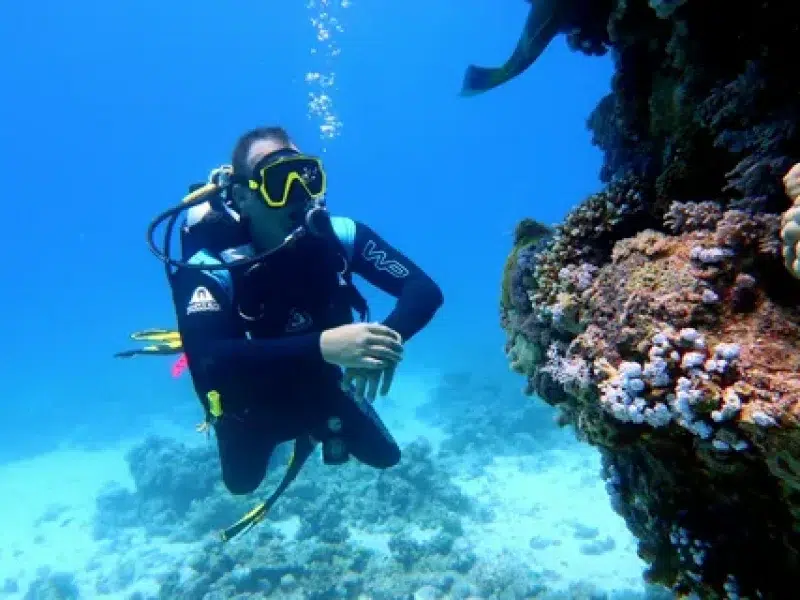
Professional diving tours in Hurghada provide structured and supervised diving experiences, led by certified instructors and divemasters. These tours are designed to cater to various skill levels, from beginners taking their first breaths underwater to advanced divers seeking challenging and rewarding dives.
The core of a professional diving tour centers on safety, education, and conservation. These tours prioritize responsible diving practices, ensuring minimal impact on the fragile marine environment while maximizing the enjoyment and learning of participants.
What Makes a Diving Tour “Professional”?
The term “professional” in this context encompasses several critical elements. These include certified and experienced staff, well-maintained equipment, adherence to international safety standards, and a commitment to environmental stewardship.
- Certified Instructors: Qualified professionals who provide comprehensive training and guidance.
- Quality Equipment: Regularly inspected and maintained diving gear to ensure safety and performance.
- Safety Protocols: Strict adherence to established safety procedures and emergency response plans.
These elements combine to create a diving experience that is not only enjoyable but also safe, educational, and environmentally responsible.
Key Features of a Professional Diving Tour
A professional diving tour is characterized by several distinguishing features that set it apart from recreational or less structured diving activities. These features ensure a high-quality, safe, and enriching experience for all participants.
These tours often include comprehensive pre-dive briefings, detailed site information, and post-dive debriefings to enhance learning and understanding. They also provide opportunities for divers to improve their skills and knowledge through specialized courses and workshops.
Comprehensive Dive Briefings
Before each dive, a detailed briefing is conducted to inform divers about the specific dive site, its unique features, potential hazards, and the planned dive profile. This briefing ensures that all divers are well-prepared and aware of what to expect underwater.
- Site orientation: Overview of the dive site’s layout and key landmarks.
- Safety procedures: Explanation of emergency signals, buddy system protocols, and ascent procedures.
- Environmental awareness: Guidance on responsible diving practices to protect marine life and habitats.
These briefings are crucial for ensuring diver safety and maximizing the enjoyment of the dive.
Small Group Sizes
Professional diving tours typically maintain small group sizes to ensure personalized attention and a more intimate diving experience. Smaller groups allow instructors to closely supervise divers, provide individualized guidance, and address any concerns or questions.
- Increased safety: Closer supervision and immediate assistance if needed.
- Personalized attention: Tailored instruction and support to meet individual needs.
- Reduced environmental impact: Minimizing disturbance to marine life and habitats.
This approach enhances the overall quality of the diving experience and promotes responsible diving practices.
Experienced Dive Guides
Experienced dive guides are essential for leading divers through the underwater world, pointing out interesting marine life, and ensuring their safety. These guides possess extensive knowledge of the local dive sites and are skilled at navigating underwater environments.
- Expert navigation: Guiding divers through complex underwater terrain and currents.
- Marine life identification: Pointing out and identifying various species of fish, coral, and other marine organisms.
- Safety monitoring: Continuously assessing divers’ well-being and addressing any potential issues.
Their expertise ensures that divers have a safe, informative, and memorable underwater adventure. Diving tours are a great way to explore the Red Sea.
Benefits of Choosing a Professional Diving Center
Opting for a professional diving center offers numerous advantages over less structured or informal diving arrangements. These benefits encompass safety, quality, education, and environmental responsibility, ensuring a superior diving experience.
Professional centers invest in high-quality equipment, maintain strict safety protocols, and employ experienced staff, all of which contribute to a safer and more enjoyable diving experience. They also prioritize environmental conservation and promote responsible diving practices.
Enhanced Safety Standards
Professional diving centers adhere to rigorous safety standards and protocols to minimize risks and ensure diver well-being. These standards include regular equipment inspections, emergency response plans, and comprehensive diver training.
- Equipment maintenance: Regular inspections and maintenance of all diving gear.
- Emergency preparedness: Well-defined emergency procedures and trained staff.
- Diver training: Comprehensive training programs covering essential diving skills and safety practices.
These measures provide divers with peace of mind and confidence in their safety.
Access to Premium Equipment
Professional diving centers provide access to high-quality, well-maintained diving equipment that enhances performance and safety. This equipment includes regulators, buoyancy compensators, wetsuits, masks, fins, and dive computers.
- Regulators: Ensuring a reliable and consistent air supply.
- Buoyancy compensators: Providing optimal buoyancy control and comfort.
- Dive computers: Monitoring depth, time, and other critical dive parameters.
Using premium equipment can significantly improve the diving experience and reduce the risk of equipment-related issues.
Expert Guidance and Instruction
Professional diving centers employ certified instructors and divemasters who provide expert guidance and instruction to divers of all skill levels. These professionals offer personalized support, answer questions, and help divers improve their skills.
- Personalized support: Tailored guidance to meet individual needs and goals.
- Skill development: Opportunities to improve diving techniques and knowledge.
- Confidence building: Encouragement and support to overcome challenges and build confidence.
This expert guidance can significantly enhance the diving experience and promote diver safety.
Top Dive Sites Accessible from Hurghada
Hurghada boasts a wealth of world-class dive sites, each offering unique underwater landscapes, marine life encounters, and diving experiences. A professional diving tour Hurghada center will provide access to the best of these sites, ensuring unforgettable dives.
From vibrant coral gardens to dramatic wrecks and thrilling drift dives, Hurghada has something to offer every diver. These sites are carefully selected to provide a range of experiences, catering to different skill levels and interests.
Abu Ramada South
Abu Ramada South, also known as the Aquarium, is a popular dive site renowned for its abundant marine life and stunning coral formations. This site is ideal for both novice and experienced divers, offering a relatively shallow and sheltered environment.
- Colorful coral gardens: Home to a diverse array of soft and hard corals.
- Abundant fish life: Schools of reef fish, including butterflyfish, angelfish, and parrotfish.
- Easy diving conditions: Gentle currents and good visibility.
Divers can expect to encounter a vibrant underwater ecosystem teeming with life.
 Giftun Island National Park
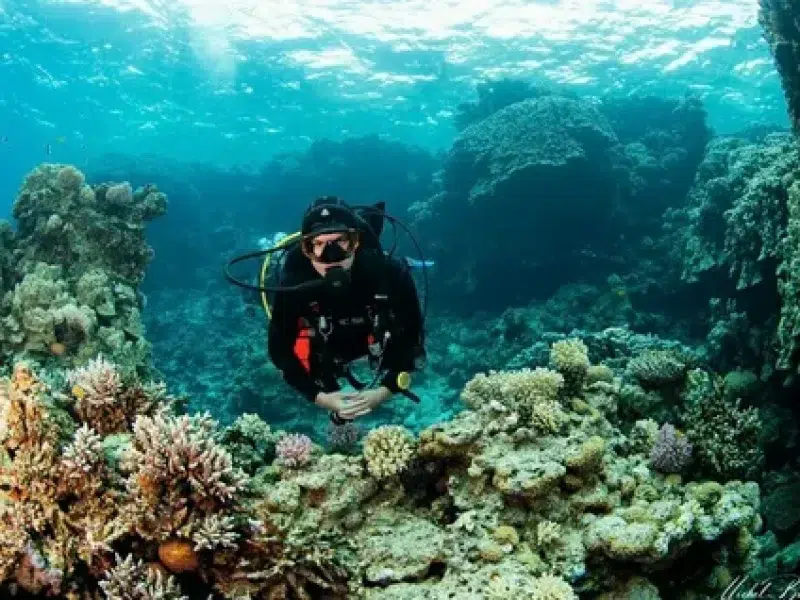
Giftun Island National Park encompasses several exceptional dive sites, each offering unique attractions. This protected area is home to pristine coral reefs, diverse marine life, and crystal-clear waters.
- Shaab El Erg: Famous for its dolphin encounters and stunning coral pinnacles.
- Careless Reef: Known for its dramatic topography and diverse fish life.
- Banana Reef: A shallow and sheltered site ideal for beginners and snorkelers.
Diving in Giftun Island National Park is a truly unforgettable experience. You can also enjoy a tour to Mahmya Island, which is part of Giftun Island.
SS Thistlegorm Wreck
The SS Thistlegorm is a British cargo ship sunk during World War II, now a world-renowned wreck dive site. This site offers a unique opportunity to explore a piece of maritime history and witness the incredible marine life that has colonized the wreck.
- Cargo holds: Filled with wartime supplies, including trucks, motorcycles, and weapons.
- Marine life: Home to a diverse array of fish, corals, and invertebrates.
- Historical significance: A fascinating glimpse into the past.
Diving the SS Thistlegorm is an unforgettable adventure for experienced divers.
Essential Gear and Equipment Provided
A professional diving tour ensures that all participants have access to essential, well-maintained diving gear and equipment. This equipment is crucial for safety, comfort, and performance underwater.
The gear typically includes a regulator, buoyancy compensator (BCD), wetsuit, mask, fins, and dive computer. The quality and condition of this equipment can significantly impact the diving experience.
Regulators
Regulators are the most critical piece of diving equipment, providing a reliable and consistent air supply from the scuba tank. Professional diving centers use high-quality regulators that are regularly serviced and inspected.
- First stage: Connects to the scuba tank and reduces the high-pressure air to an intermediate pressure.
- Second stage: Delivers air to the diver on demand, providing a comfortable and natural breathing experience.
- Alternate air source: A backup regulator for emergency situations.
A well-maintained regulator is essential for diver safety and comfort.
Buoyancy Compensators (BCDs)
Buoyancy compensators (BCDs) allow divers to control their buoyancy underwater, making it easier to maintain a desired depth and conserve energy. Professional diving centers provide BCDs that are properly fitted and in good working condition.
- Inflation and deflation valves: Allow divers to add or release air from the BCD to adjust buoyancy.
- Integrated weight system: Holds weights securely and allows for easy release in emergency situations.
- Comfortable fit: Ensuring a snug and secure fit for optimal buoyancy control.
A properly fitted BCD is essential for comfortable and efficient diving.
Dive Computers
Dive computers are essential tools for monitoring depth, time, and other critical dive parameters. They help divers stay within safe limits and avoid decompression sickness. Professional diving tours often include the use of dive computers.
- Depth gauge: Displays the diver’s current depth.
- Timer: Tracks the elapsed dive time.
- No-decompression limit: Calculates the amount of time a diver can spend at a given depth without requiring decompression stops.
Dive computers are valuable tools for enhancing diver safety and awareness.
Safety Measures and Emergency Protocols
Safety is paramount in professional diving tours. Reputable operators implement comprehensive safety measures and emergency protocols to minimize risks and ensure diver well-being. These measures encompass pre-dive briefings, equipment checks, buddy system protocols, and emergency response plans.
These protocols are designed to address a range of potential emergencies, including equipment malfunctions, medical issues, and lost diver situations. Regular drills and training exercises ensure that staff are well-prepared to respond effectively to any emergency.
Pre-Dive Safety Briefings
Before each dive, a detailed safety briefing is conducted to inform divers about potential hazards, emergency procedures, and communication signals. This briefing ensures that all divers are aware of the risks and prepared to respond appropriately.
- Dive site conditions: Information about currents, visibility, and potential hazards.
- Emergency procedures: Explanation of emergency signals, ascent procedures, and first aid protocols.
- Buddy system protocols: Guidelines for maintaining contact with your buddy and assisting each other in case of need.
These briefings are crucial for promoting diver safety and awareness.
Buddy System Protocols
The buddy system is a fundamental safety practice in diving, requiring divers to pair up and assist each other throughout the dive. Professional diving tours emphasize the importance of the buddy system and provide guidance on effective buddy communication and support.
- Pre-dive check: Ensuring that both divers’ equipment is functioning properly.
- Maintaining contact: Staying within visual range of your buddy throughout the dive.
- Assisting each other: Providing support and assistance in case of need.
The buddy system enhances diver safety and promotes a sense of teamwork and responsibility.
Emergency Response Plans
Professional diving centers have well-defined emergency response plans in place to address a range of potential emergencies. These plans include procedures for equipment malfunctions, medical issues, and lost diver situations.
- First aid and CPR: Trained staff and readily available first aid equipment.
- Oxygen administration: Oxygen tanks and delivery systems for treating breathing difficulties.
- Emergency communication: Radios and satellite phones for contacting emergency services.
These plans ensure that staff are prepared to respond effectively to any emergency situation.
Common Misconceptions About Diving in Hurghada
Several misconceptions surround diving in Hurghada, often deterring potential divers or leading to unrealistic expectations. Addressing these misconceptions is crucial for ensuring a safe, enjoyable, and informed diving experience.
These misconceptions often involve perceived dangers, required skill levels, and environmental impacts. Clarifying these points can help divers make informed decisions and approach their dives with confidence and respect for the marine environment.
Diving is Only for Experienced Swimmers
Many people believe that diving requires exceptional swimming skills. While being comfortable in the water is beneficial, professional diving tours cater to individuals with varying swimming abilities. Basic swimming skills are sufficient, and instructors provide comprehensive training and support.
- Buoyancy control: Learning to control your buoyancy underwater reduces the need for strenuous swimming.
- Equipment assistance: BCDs and other equipment provide additional buoyancy and support.
- Instructor supervision: Close supervision from certified instructors ensures safety and provides guidance.
With proper training and equipment, even novice swimmers can enjoy diving.
Diving is Dangerous and Risky
While diving does involve inherent risks, professional diving tours prioritize safety and implement comprehensive safety measures to minimize those risks. Reputable operators adhere to strict safety standards, provide thorough training, and maintain well-maintained equipment.
- Safety protocols: Adherence to established safety procedures and emergency response plans.
- Equipment maintenance: Regular inspections and maintenance of all diving gear.
- Diver training: Comprehensive training programs covering essential diving skills and safety practices.
By choosing a professional diving tour and following safety guidelines, divers can significantly reduce the risks associated with diving.
Diving Always Harms the Environment
Irresponsible diving practices can harm the marine environment, but professional diving tours promote responsible diving practices and environmental stewardship. These tours educate divers about the importance of protecting coral reefs and marine life and encourage them to minimize their impact.
- Buoyancy control: Maintaining neutral buoyancy to avoid contact with coral reefs.
- No-touch policy: Avoiding touching or disturbing marine life.
- Waste management: Properly disposing of trash and avoiding littering.
By choosing a responsible diving tour and following environmental guidelines, divers can minimize their impact on the marine environment.
Choosing the Right Diving Tour Operator
Selecting the right diving tour operator is crucial for ensuring a safe, enjoyable, and memorable diving experience. Consider several factors when making your decision, including certification, experience, equipment quality, and safety record.
Researching and comparing different operators can help you find one that meets your specific needs and preferences. Look for operators with positive reviews, transparent pricing, and a commitment to safety and environmental responsibility.
Check Certifications and Credentials
Ensure that the diving tour operator is certified by a reputable diving organization, such as PADI or SSI. These certifications indicate that the operator meets established safety and training standards.
- Instructor certifications: Verify that the instructors are certified and experienced.
- Operator certifications: Look for certifications that demonstrate adherence to industry standards.
- Insurance coverage: Confirm that the operator has adequate insurance coverage for divers.
Certifications provide assurance of the operator’s competence and commitment to safety.
Assess Equipment Quality and Maintenance
Inspect the diving equipment to ensure that it is well-maintained and in good working condition. High-quality equipment is essential for diver safety and performance.
- Regulator maintenance: Check that regulators are regularly serviced and inspected.
- BCD condition: Ensure that BCDs are properly fitted and in good working order.
- Dive computer functionality: Verify that dive computers are functioning correctly.
Well-maintained equipment indicates the operator’s commitment to safety and quality.
Review Safety Record and Emergency Procedures
Inquire about the operator’s safety record and emergency procedures. A reputable operator will have a strong safety record and well-defined emergency response plans.
- Incident history: Ask about any past incidents and how they were handled.
- Emergency protocols: Review the operator’s emergency response plans.
- Staff training: Confirm that staff are trained in first aid, CPR, and emergency procedures.
A strong safety record and comprehensive emergency procedures demonstrate the operator’s commitment to diver safety.
Frequently asked questions about professional diving tour hurghada center
What is included in a professional diving tour Hurghada center?
A professional diving tour typically includes certified dive instructors, all necessary diving equipment (regulator, BCD, wetsuit, mask, fins), boat transportation to dive sites, pre-dive briefings, and post-dive debriefings. Some tours may also include meals and refreshments.
Do I need to be certified to join a diving tour?
No, many professional diving tours offer introductory dives for beginners with no prior experience or certification. These dives are conducted under the direct supervision of certified instructors in a safe and controlled environment.
What is the best time of year to go diving in Hurghada?
Hurghada offers year-round diving opportunities, but the best time is generally from April to June and September to November. During these months, the weather is pleasant, the water visibility is excellent, and the marine life is abundant.
How deep will I dive on a professional diving tour?
The maximum depth depends on your certification level and the specific dive site. For beginners, introductory dives are typically limited to a maximum depth of 5-10 meters. Certified divers can explore deeper sites, up to their certification limits.
What kind of marine life can I expect to see?
Hurghada is home to a diverse array of marine life, including colorful coral reefs, reef fish, dolphins, turtles, sharks, and invertebrates. The specific species you encounter will depend on the dive site and the time of year.
What should I bring on a professional diving tour?
You should bring swimwear, a towel, sunscreen, a hat, sunglasses, and a waterproof camera. Most diving tours provide all necessary diving equipment, but you may want to bring your own mask and fins if you prefer.
Are there any age restrictions for diving tours?
Yes, the minimum age for diving is typically 10 years old, although some operators may have different age requirements. There is no upper age limit, but divers should be in good physical health.
How can I book a professional diving tour Hurghada center?
You can book a tour online through the operator’s website or through a travel agency. It is recommended to book in advance, especially during peak season, to ensure availability. Other tours can be booked in advance as well.
Conclusion
A professional diving tour Hurghada center offers an unparalleled opportunity to explore the Red Sea’s underwater wonders safely and responsibly. By choosing a reputable operator and following established safety guidelines, divers can enjoy an unforgettable experience.
Ready to embark on your diving adventure? Book your professional diving tour today and discover the breathtaking beauty of the Red Sea! Consider also exploring a Super Safari tour for more adventure.


Comment (0)