

Hurghada Local Experiences: A Powerful Guide
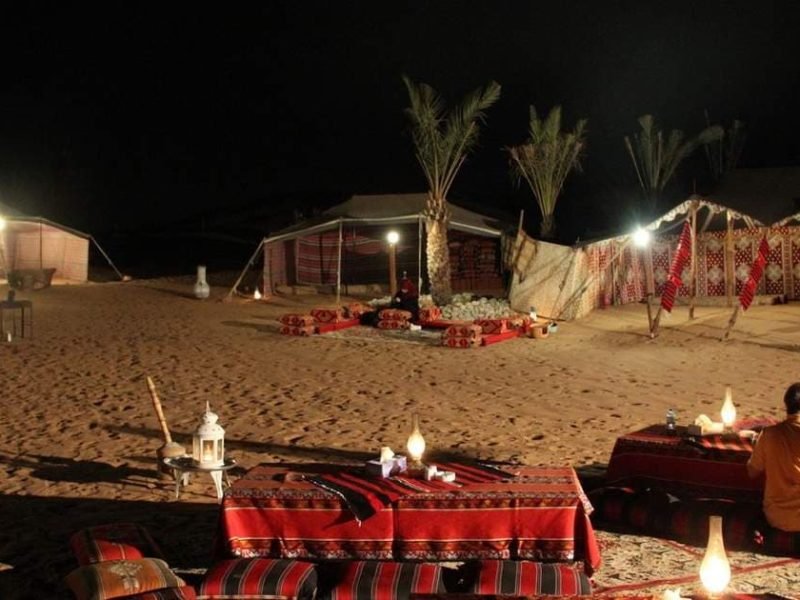
Hurghada local experiences offer a unique window into the true heart of Egypt, far beyond the typical tourist resorts. These experiences provide opportunities to connect with the local culture, cuisine, and people, creating memories that will last a lifetime. From exploring bustling markets to venturing into the desert with Bedouins, there’s something for every traveler seeking an authentic adventure.
Unveiling Authentic Hurghada Local Experiences
Hurghada, a popular tourist destination on the Red Sea, offers more than just stunning beaches and luxurious resorts. For travelers seeking a deeper connection with the region, Hurghada local experiences provide an invaluable opportunity to immerse themselves in the Egyptian culture.
These experiences range from exploring traditional markets and sampling local cuisine to interacting with Bedouin communities and learning about their way of life. By venturing beyond the confines of the resorts, visitors can gain a genuine appreciation for the rich history, vibrant traditions, and warm hospitality of the Egyptian people.
The Importance of Supporting Local Businesses
Choosing Hurghada local experiences is not only beneficial for travelers seeking authentic adventures but also for the local economy. By supporting small businesses, family-owned restaurants, and local artisans, tourists can contribute directly to the well-being of the community. This helps to preserve traditional crafts, create employment opportunities, and ensure that the benefits of tourism are shared more equitably.
- Economic Impact: Local businesses often reinvest profits back into the community, supporting local schools, healthcare, and infrastructure projects.
- Cultural Preservation: Supporting local artisans helps to preserve traditional crafts and techniques that have been passed down through generations.
- Sustainable Tourism: Local experiences often promote sustainable tourism practices, minimizing the environmental impact and respecting the local culture.
Furthermore, engaging with local businesses provides travelers with a more personalized and authentic experience. They have the opportunity to interact directly with the owners and employees, learn about their stories, and gain insights into the local culture that they would not otherwise have access to.
Exploring the Dahar Market: A Sensory Overload
The Dahar Market, located in the older part of Hurghada, is a vibrant and bustling hub of local life. Stepping into this market is like stepping into another world, where the sights, sounds, and smells are a feast for the senses.
From fresh produce and spices to traditional clothing and handicrafts, the Dahar Market offers a wide array of goods. It’s a place where locals come to do their daily shopping, and tourists can experience the authentic atmosphere of a traditional Egyptian market.
Navigating the Dahar Market: Tips for Tourists
Navigating the Dahar Market can be overwhelming for first-time visitors, but with a few tips, you can make the most of your experience.
- Bargaining: Bargaining is a common practice in Egyptian markets, so don’t be afraid to negotiate the price. Start by offering a lower price than you’re willing to pay and work your way up.
- Dress Modestly: While Hurghada is a tourist destination, it’s still important to dress modestly when visiting local markets. Avoid wearing revealing clothing and be respectful of the local culture.
- Be Aware of Your Surroundings: The Dahar Market can be crowded, so be aware of your surroundings and keep your belongings safe. Avoid carrying large amounts of cash and keep your valuables close to you.
- Try Local Street Food: The Dahar Market is a great place to sample local street food. From falafel and shawarma to fresh juices and sweets, there’s something to satisfy every palate.
Moreover, take the time to interact with the vendors. They are often happy to share their stories and offer insights into the local culture. You might even learn a few Arabic phrases!
Visiting the Dahar Market provides a fantastic opportunity to witness the daily lives of Hurghada residents and gain a deeper understanding of their customs and traditions. Remember to bring your camera to capture the vibrant colors and lively atmosphere of this unique marketplace.
Before your visit, consider researching common Arabic phrases to enhance your interactions with local vendors. Knowing how to say “hello,” “thank you,” and “how much?” can significantly improve your experience and demonstrate respect for the local culture.
Remember that the best time to visit the Dahar Market is in the late afternoon or early evening when the weather is cooler and the market is at its liveliest. This allows you to avoid the midday heat and experience the market in full swing.
Do not hesitate to try the local tea or coffee offered by vendors. It’s a great way to take a break from shopping and immerse yourself in the local culture. Often, these small gestures of hospitality lead to interesting conversations and connections.
Venturing into the Desert with Bedouins
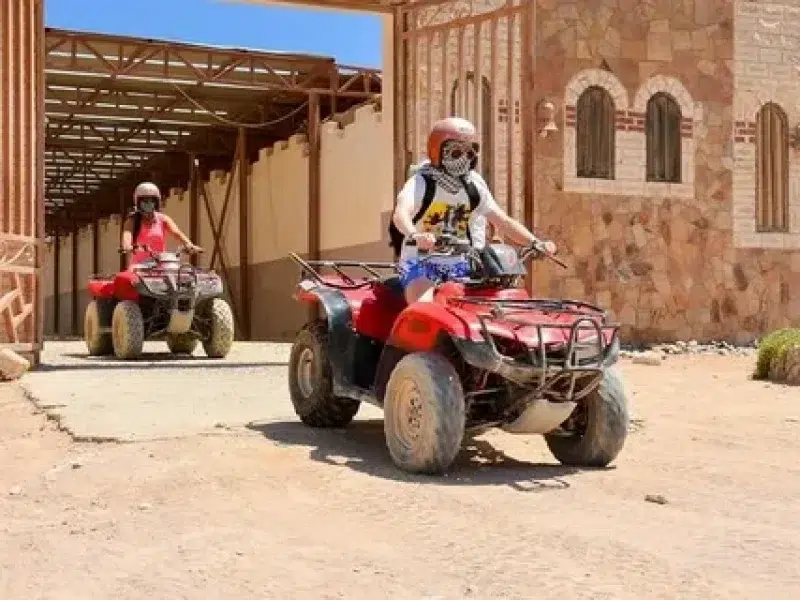
A desert safari is an essential Hurghada local experience, offering a glimpse into the nomadic lifestyle of the Bedouin people. These tours typically involve traveling by jeep or quad bike into the desert, where you can visit a Bedouin camp, learn about their traditions, and enjoy a traditional meal under the stars. Explore the desert with a quad bike.
Many desert safari tours also include opportunities for camel riding, sandboarding, and stargazing. It’s a chance to escape the hustle and bustle of the city and experience the tranquility and beauty of the Egyptian desert.
Respecting Bedouin Culture: Guidelines for Visitors
When visiting a Bedouin camp, it’s important to be respectful of their culture and traditions.
- Dress Modestly: As with visiting local markets, it’s important to dress modestly when visiting a Bedouin camp. Avoid wearing revealing clothing and be respectful of their customs.
- Ask Permission Before Taking Photos: Always ask permission before taking photos of Bedouin people or their belongings. Some Bedouins may not be comfortable being photographed.
- Accept Hospitality: Bedouins are known for their hospitality, so accept their offers of tea or coffee. It’s a sign of respect and a way to connect with them.
- Learn About Their Traditions: Take the time to learn about Bedouin traditions and customs. Ask questions and show an interest in their way of life.
Additionally, be mindful of the environment. Avoid littering and respect the natural landscape. Choose tour operators that prioritize sustainable tourism practices and support the local Bedouin community.
Participating in a desert safari not only provides an exciting adventure but also offers an opportunity to learn about the rich cultural heritage of the Bedouin people and contribute to their economic well-being. Consider booking a Super Safari Hurghada Desert Tour for an unforgettable experience.
Before embarking on your desert adventure, ensure you are adequately prepared for the harsh desert conditions. Bring plenty of water to stay hydrated, wear sunscreen to protect your skin from the sun, and wear a hat and sunglasses to shield your eyes from the glare.
Remember to bring a light jacket or sweater, as the desert temperatures can drop significantly at night. This will ensure you stay comfortable during the evening activities, such as stargazing and enjoying a traditional Bedouin meal.
Take advantage of the opportunity to learn a few basic Arabic phrases before your visit. Knowing how to say “thank you” (shukran) and “hello” (salaam) can go a long way in building rapport with the Bedouin people and showing your respect for their culture.
When interacting with Bedouins, be mindful of your body language and avoid making gestures that could be considered offensive. For example, avoid pointing with your index finger, as this is considered rude in many Middle Eastern cultures.
Cooking Classes: Mastering Egyptian Cuisine
Egyptian cuisine is a delicious blend of flavors and spices, reflecting the country’s rich history and diverse cultural influences. Taking a cooking class is a fantastic way to learn about Egyptian food and master some of the most popular dishes.
Many local restaurants and cooking schools in Hurghada offer cooking classes for tourists. These classes typically involve learning how to prepare dishes such as koshari (a lentil and rice dish), ful medames (fava bean stew), and ta’ameya (Egyptian falafel). You’ll also learn about the spices and ingredients that are commonly used in Egyptian cooking.
Essential Egyptian Spices and Ingredients
Understanding the key spices and ingredients is crucial for mastering Egyptian cuisine.
- Cumin: Cumin is a staple spice in Egyptian cooking, used in dishes such as ful medames and koshari.
- Coriander: Coriander is another commonly used spice, adding a fresh and citrusy flavor to many dishes.
- Turmeric: Turmeric is used for its vibrant color and earthy flavor, often added to rice dishes and stews.
- Cardamom: Cardamom is a fragrant spice used in both sweet and savory dishes, adding a warm and aromatic flavor.
- Molokhia: Molokhia is a leafy green vegetable used to make a popular Egyptian soup.
Furthermore, learning about the different types of bread and dips that are commonly served with Egyptian meals is essential. Aish baladi (Egyptian flatbread) and tahini (sesame seed paste) are staples of the Egyptian diet.
Participating in a cooking class provides a hands-on experience that allows you to learn about Egyptian culture through its cuisine. You’ll also have the opportunity to sample the dishes you prepare and take home the recipes to recreate them for your friends and family.
Before signing up for a cooking class, research the instructor’s experience and qualifications. Look for classes that are taught by experienced chefs who are passionate about sharing their knowledge of Egyptian cuisine. Check online reviews and ask for recommendations from other travelers to ensure you choose a reputable and high-quality cooking class.
When attending a cooking class, be prepared to actively participate and ask questions. Don’t be afraid to get your hands dirty and try new techniques. The more involved you are in the cooking process, the more you will learn and the more enjoyable the experience will be.
Remember to take notes during the cooking class, especially when the instructor is explaining the steps and techniques involved in preparing each dish. This will help you to remember the recipes and recreate them at home.
Consider purchasing a few essential Egyptian spices and ingredients to take home with you. This will allow you to continue experimenting with Egyptian cuisine and share your newfound culinary skills with your friends and family.
Visiting Local Mosques and Churches
Hurghada is home to a diverse population, with both Muslims and Christians living side by side. Visiting local mosques and churches is a great way to learn about the different religions and cultures that coexist in the city.
Many mosques in Hurghada are open to visitors, although it’s important to dress modestly and remove your shoes before entering. You may also be required to cover your head, especially if you’re a woman. Churches in Hurghada are also generally welcoming to visitors, although it’s important to be respectful of their religious practices.
Etiquette for Visiting Religious Sites
When visiting mosques and churches, it’s important to be mindful of the local customs and traditions.
- Dress Modestly: As with visiting local markets and Bedouin camps, it’s important to dress modestly when visiting religious sites. Avoid wearing revealing clothing and be respectful of their customs.
- Remove Your Shoes: Remove your shoes before entering a mosque. Some churches may also require you to remove your shoes.
- Be Quiet and Respectful: Maintain a quiet and respectful demeanor when visiting religious sites. Avoid talking loudly or engaging in disruptive behavior.
- Ask Permission Before Taking Photos: Always ask permission before taking photos inside a mosque or church. Some religious sites may not allow photography.
Furthermore, be respectful of religious ceremonies and practices. Avoid interrupting prayers or other religious activities. If you have questions about the religion or the religious site, ask a local guide or a member of the clergy.
Visiting local mosques and churches provides an opportunity to learn about the different faiths that coexist in Hurghada and to appreciate the city’s cultural diversity. It’s a chance to broaden your understanding of the world and to connect with people from different backgrounds.
Before visiting a mosque or church, research the specific dress code and etiquette guidelines for that particular site. This will ensure that you are properly prepared and can show respect for the local customs and traditions.
When visiting a mosque, be aware of the prayer times and avoid visiting during these times, as it may disrupt the worshippers. If you do happen to be visiting during prayer time, remain quiet and respectful and avoid walking in front of people who are praying.
Consider hiring a local guide to accompany you on your visit to a mosque or church. A knowledgeable guide can provide valuable insights into the history, architecture, and religious significance of the site.
Remember to be respectful of the religious symbols and artifacts that are displayed in mosques and churches. Avoid touching or handling these items without permission.
Understanding the Risks and Misconceptions
While Hurghada local experiences can be incredibly rewarding, it’s important to be aware of potential risks and misconceptions.
One common misconception is that all local experiences are safe and authentic. Unfortunately, some tour operators may exploit tourists or engage in unethical practices. It’s important to research tour operators carefully and choose those that are reputable and prioritize ethical tourism.
Common Scams and Safety Precautions
Be aware of common scams and take precautions to protect yourself from becoming a victim.
- Overcharging: Some vendors may try to overcharge tourists, especially in markets and tourist areas. Always negotiate the price and be prepared to walk away if you feel you’re being overcharged.
- Fake Guides: Be wary of unofficial guides who may approach you offering their services. Stick to reputable tour operators and licensed guides.
- Petty Theft: Petty theft can occur in crowded areas, so be aware of your surroundings and keep your belongings safe. Avoid carrying large amounts of cash and keep your valuables close to you.
- Unsafe Transportation: Use reputable transportation services and avoid unlicensed taxis or buses. Make sure the vehicle is in good condition and the driver is licensed.
Furthermore, be aware of the local laws and customs. Avoid engaging in illegal activities and be respectful of the local culture. It’s also important to stay informed about any travel advisories or warnings issued by your government.
By being aware of potential risks and taking precautions, you can minimize the chances of encountering problems and ensure a safe and enjoyable Hurghada local experience. Always trust your instincts and avoid situations that make you feel uncomfortable.
Before traveling to Hurghada, research the local laws and customs to ensure you are aware of any potential cultural sensitivities or legal restrictions. This will help you to avoid unintentionally offending or violating any local laws.
When booking tours or activities, read the fine print carefully and be aware of the cancellation policies and refund procedures. This will protect you in case you need to cancel your booking due to unforeseen circumstances.
Consider purchasing travel insurance that covers medical expenses, trip cancellations, and other unexpected events. This will provide you with peace of mind and financial protection in case of emergencies.
Remember to stay hydrated and protect yourself from the sun, especially during outdoor activities. Drink plenty of water and wear sunscreen, a hat, and sunglasses to avoid dehydration and sunburn.
Consider a diving course for another local experience.
Shopping for Authentic Souvenirs
Shopping for souvenirs is a great way to remember your Hurghada local experiences and to support local artisans. However, it’s important to be discerning and to avoid purchasing fake or mass-produced items.
Look for authentic handicrafts and souvenirs that are made by local artisans. These items are often unique and reflect the local culture and traditions. Avoid purchasing items that are made in China or other countries, as they are not authentic and do not support the local economy.
Identifying Authentic Egyptian Handicrafts
Learn how to identify authentic Egyptian handicrafts and souvenirs.
- Handmade: Look for items that are handmade, as they are more likely to be authentic and unique.
- Local Materials: Choose items that are made from local materials, such as cotton, leather, or wood.
- Traditional Designs: Look for items that feature traditional Egyptian designs and motifs.
- Fair Trade: Support fair trade practices by purchasing items from artisans who are paid a fair price for their work.
Furthermore, be prepared to bargain for souvenirs, but be respectful of the artisan’s work and avoid offering unreasonably low prices. Remember that you’re supporting their livelihood and helping to preserve their craft.
Shopping for authentic souvenirs provides an opportunity to connect with local artisans and to learn about their craft. It’s a chance to take home a piece of Egyptian culture and to support the local economy.
When shopping for souvenirs, be sure to inspect the items carefully for any defects or imperfections. This will ensure that you are purchasing a high-quality product that will last for years to come.
Consider purchasing souvenirs that are lightweight and easy to pack, especially if you are traveling with limited luggage space. This will make it easier to transport your souvenirs home without exceeding your baggage allowance.
Remember to declare any souvenirs that you purchase when you return to your home country. This will help you to avoid any customs issues or penalties.
Take the time to learn about the history and significance of the souvenirs you purchase. This will add to their value and make them even more meaningful reminders of your Hurghada local experiences. You can also find diving tours in Hurghada.
Book a family diving experience.
Explore underwater diving in Hurghada.
Consider advanced diving in the Red Sea.
Book a private diving experience.
Frequently asked questions about Hurghada local experiences
What are some popular Hurghada local experiences?
Popular Hurghada local experiences include exploring the Dahar Market, venturing into the desert with Bedouins, taking a cooking class, visiting local mosques and churches, and shopping for authentic souvenirs.
How can I ensure that my Hurghada local experiences are authentic?
To ensure authenticity, research tour operators carefully, choose reputable companies, support local businesses, and be respectful of local customs and traditions.
What should I wear when visiting religious sites in Hurghada?
When visiting religious sites in Hurghada, it’s important to dress modestly. Avoid wearing revealing clothing and be respectful of their customs. Women may be required to cover their heads.
Is it safe to drink the tap water in Hurghada?
It’s generally not recommended to drink the tap water in Hurghada. Stick to bottled water or filtered water to avoid getting sick.
What is the best time of year to visit Hurghada?
The best time of year to visit Hurghada is during the cooler months, from October to April. The weather is more pleasant during this time, making it ideal for outdoor activities.
How much should I tip in Hurghada?
Tipping is customary in Hurghada. It’s common to tip waiters, taxi drivers, and other service providers around 10-15% of the total bill.
What currency is used in Hurghada?
The official currency of Egypt is the Egyptian pound (EGP). However, US dollars and Euros are also widely accepted in Hurghada.
Ready to Experience This in Person?
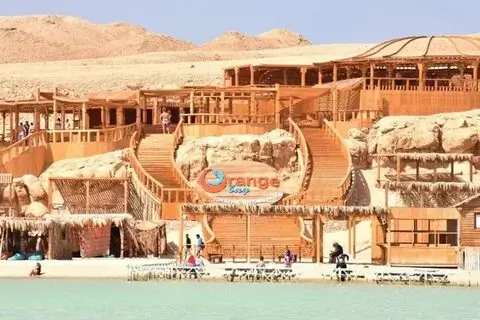
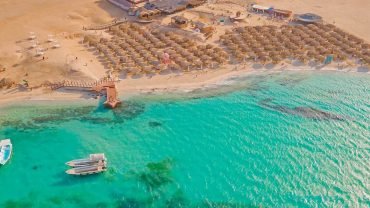
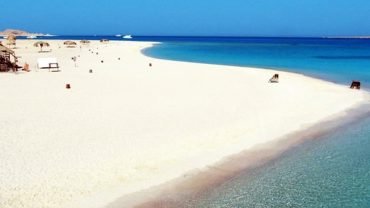
Book the official Orange Bay & Giftun Islands Boat Trip with Hurghada Sun Seekers. Enjoy guaranteed best local prices, hotel transfers, and flexible free cancellation.
Conclusion
Hurghada local experiences offer a unique opportunity to connect with the true heart of Egypt, beyond the typical tourist attractions. By venturing into the local markets, exploring the desert with Bedouins, and immersing yourself in the local culture, you can create memories that will last a lifetime.
Ready to discover the authentic side of Hurghada? Plan your trip today and embark on an unforgettable adventure!

Comment (0)