

Hurghada Cultural Tours: 7 Best Immersive Experiences
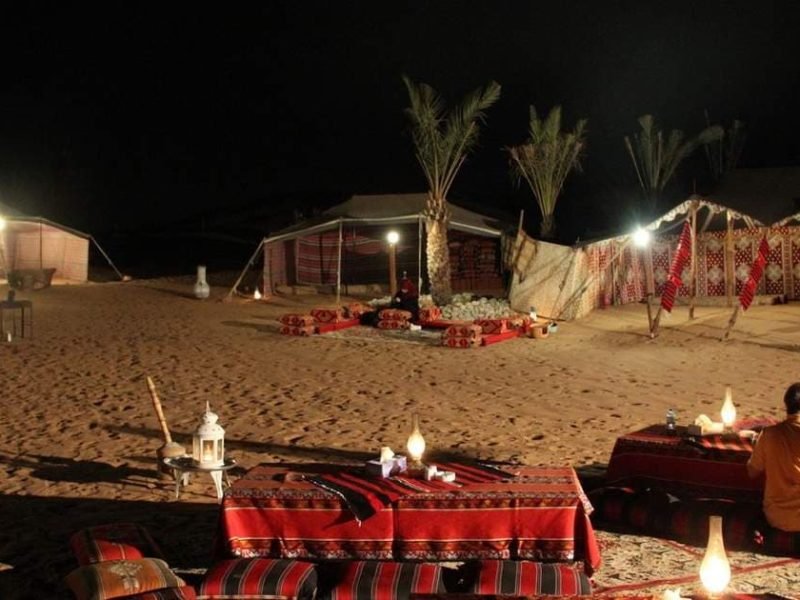
Hurghada cultural tours offer a unique opportunity to delve into the rich heritage and traditions of Egypt beyond the typical beach resort experience. These tours provide a window into the lives of local communities, showcasing their customs, crafts, and cuisine. Discover the authentic side of Hurghada through immersive cultural experiences.
Understanding Hurghada Cultural Tours
Hurghada cultural tours are designed to provide travelers with authentic insights into the local Egyptian culture. These tours typically go beyond the standard tourist attractions, offering experiences that connect visitors with the history, traditions, and daily life of the region.
They often include visits to historical sites, interactions with local artisans, and opportunities to sample traditional cuisine. The goal is to create a deeper understanding and appreciation of Egyptian culture.
What Defines a Cultural Tour?
A cultural tour is characterized by its focus on experiencing and learning about the local culture. This can involve several elements:
- Historical Sites: Visiting ancient ruins, museums, and landmarks that tell the story of the region’s past.
- Local Communities: Interacting with residents, learning about their traditions, and participating in their daily activities.
- Art and Crafts: Exploring traditional art forms, visiting workshops, and learning about the techniques used by local artisans.
- Cuisine: Sampling authentic dishes, learning about local ingredients, and participating in cooking classes.
- Music and Dance: Experiencing traditional music and dance performances, and learning about their cultural significance.
Cultural tours aim to provide an immersive experience that goes beyond superficial sightseeing, fostering a deeper connection with the local culture.
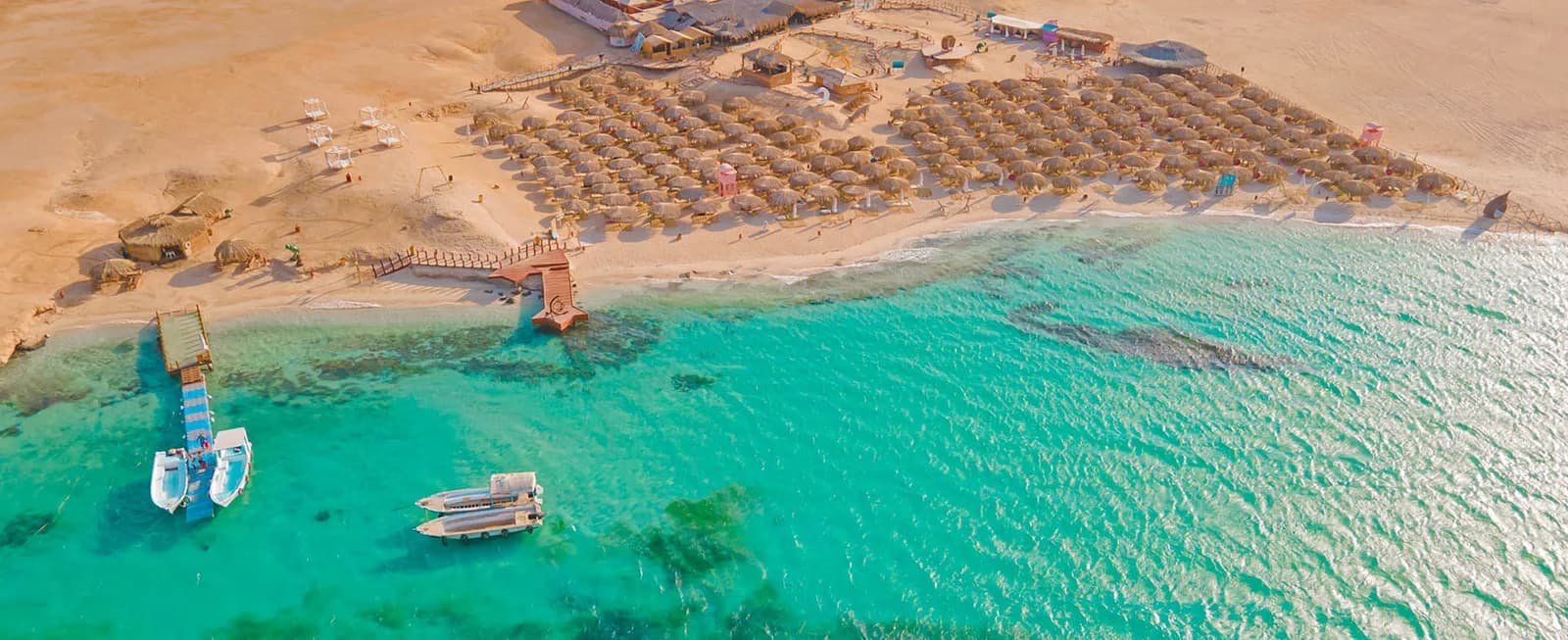
The Importance of Cultural Immersion in Travel
Cultural immersion is crucial for travelers seeking a more meaningful and enriching experience. It allows them to connect with the destination on a deeper level, fostering understanding and appreciation for different ways of life.
By engaging with local communities and traditions, travelers can gain a new perspective on the world and broaden their horizons.
Benefits of Cultural Immersion
There are numerous benefits to incorporating cultural immersion into travel plans:
- Enhanced Understanding: Cultural immersion helps travelers understand the history, values, and beliefs of the local people.
- Personal Growth: Experiencing different cultures can challenge one’s own assumptions and beliefs, leading to personal growth and self-discovery.
- Respect and Empathy: Interacting with local communities fosters respect and empathy for their way of life.
- Memorable Experiences: Cultural experiences often create lasting memories and a deeper connection with the destination.
- Support for Local Communities: Cultural tours often support local businesses and artisans, contributing to the economic well-being of the community.
Cultural immersion transforms travel from a superficial sightseeing activity into a meaningful and transformative experience.
Examples of Cultural Immersion Activities

Here are some examples of activities that promote cultural immersion:
- Homestays: Staying with a local family provides an intimate glimpse into their daily life and traditions.
- Language Classes: Learning a few basic phrases in the local language can enhance communication and show respect for the culture.
- Cooking Classes: Participating in a cooking class allows travelers to learn about local ingredients and culinary techniques.
- Volunteer Work: Volunteering with a local organization provides an opportunity to contribute to the community and connect with its members.
- Festivals and Celebrations: Attending local festivals and celebrations offers a chance to experience the culture in a vibrant and festive atmosphere.
These activities provide opportunities for travelers to engage with the local culture in a meaningful and authentic way.
Exploring the Old Town of El Dahar
El Dahar, the old town of Hurghada, is a treasure trove of cultural experiences. It offers a glimpse into the city’s past, with its traditional architecture, bustling markets, and authentic local life.
Exploring El Dahar is like stepping back in time, away from the modern resorts and tourist attractions.
Key Attractions in El Dahar
El Dahar boasts several key attractions that showcase its cultural heritage:
- El Dahar Market: A vibrant marketplace where locals buy and sell everything from fresh produce to traditional crafts.
- Abdul Moneim Riadh Mosque: A beautiful mosque that serves as a center of religious and cultural life in the community.
- Traditional Coffee Shops: Cozy coffee shops where locals gather to socialize and enjoy traditional Egyptian coffee and tea.
- Old Houses and Buildings: Historic buildings that reflect the traditional architecture of the region.
These attractions offer a glimpse into the daily life and cultural traditions of El Dahar’s residents.
Experiencing Local Life in El Dahar
To truly experience the local life in El Dahar, consider these activities:
- Wander through the Market: Explore the El Dahar Market, interact with vendors, and sample local delicacies.
- Visit a Coffee Shop: Relax in a traditional coffee shop, sip on Egyptian coffee, and observe the local social scene.
- Attend a Religious Service: If possible, attend a service at the Abdul Moneim Riadh Mosque to experience the local religious practices.
- Talk to Locals: Engage in conversations with residents to learn about their lives, traditions, and perspectives.
These activities will provide a deeper understanding and appreciation of the local culture in El Dahar. Shopping stops can also be a great addition to your cultural tour.
Visiting a Bedouin Village
A visit to a Bedouin village is an unforgettable cultural experience that offers a glimpse into the traditional nomadic lifestyle of the desert people. These villages are located in the surrounding desert and provide an opportunity to learn about Bedouin customs, traditions, and way of life.
These visits often include camel rides, traditional meals, and cultural performances.
What to Expect During a Bedouin Village Tour
A typical Bedouin village tour includes the following elements:
- Camel Ride: A ride through the desert on a camel, the traditional mode of transportation for Bedouins.
- Traditional Welcome: A warm welcome from the Bedouin community, often including traditional music and dance.
- Village Tour: A guided tour of the village, learning about the traditional houses, crafts, and way of life.
- Traditional Meal: A delicious meal prepared by the Bedouins, featuring local ingredients and traditional cooking methods.
- Cultural Performances: Performances of traditional Bedouin music, dance, and storytelling.
These elements provide a comprehensive and immersive experience of Bedouin culture.
Respecting Bedouin Culture
When visiting a Bedouin village, it’s important to be respectful of their culture and traditions:
- Dress Modestly: Wear modest clothing that covers your shoulders and knees.
- Ask Permission: Ask permission before taking photos of people or their belongings.
- Be Respectful: Show respect for their customs and traditions, even if they are different from your own.
- Support Local Economy: Purchase handicrafts or souvenirs from the local artisans to support their economy.
- Follow Guidelines: Follow the guidelines provided by your tour guide and the Bedouin community.
By being respectful and considerate, you can ensure a positive and enriching experience for both yourself and the Bedouin community. Consider also a desert safari to enhance your experience.
Learning Traditional Egyptian Crafts
Traditional Egyptian crafts are an integral part of the country’s cultural heritage. Learning about these crafts provides a deeper understanding and appreciation of Egyptian art, history, and traditions.
Many cultural tours offer opportunities to learn about and even participate in traditional craft-making.
Popular Egyptian Crafts
Here are some of the most popular Egyptian crafts:
- Papyrus Making: Learning how papyrus is made from the papyrus plant, an ancient Egyptian writing material.
- Pottery: Creating pottery using traditional techniques and designs.
- Carpet Weaving: Weaving carpets using traditional looms and patterns.
- Glassblowing: Creating glass objects using traditional glassblowing techniques.
- Jewelry Making: Crafting jewelry using traditional Egyptian designs and materials.
These crafts reflect the rich artistic heritage of Egypt and offer a hands-on experience of its cultural traditions.
Where to Learn Traditional Crafts
There are several places where you can learn traditional Egyptian crafts:
- Craft Workshops: Many workshops offer classes and demonstrations in traditional crafts.
- Cultural Centers: Cultural centers often host workshops and events focused on traditional arts and crafts.
- Local Artisans: Some local artisans offer private lessons and demonstrations in their workshops.
- Museums: Museums often have exhibits and demonstrations showcasing traditional crafts.
These venues provide opportunities to learn from experienced artisans and immerse yourself in the world of Egyptian crafts. You might also find some interesting items during island tours that showcase local craftsmanship.
Sampling Authentic Egyptian Cuisine
Egyptian cuisine is a delicious and diverse reflection of the country’s cultural heritage. Sampling authentic Egyptian dishes is an essential part of any cultural tour, offering a taste of the local flavors and traditions.
From street food to fine dining, Egyptian cuisine offers a wide range of culinary experiences.
Must-Try Egyptian Dishes
Here are some must-try Egyptian dishes:
- Kushari: A popular street food dish made with rice, lentils, pasta, and a spicy tomato sauce.
- Ful Medames: A hearty dish made with fava beans, seasoned with garlic, lemon juice, and olive oil.
- Falafel: Deep-fried balls made from ground chickpeas or fava beans, served in pita bread with tahini sauce.
- Mahshi: Stuffed vegetables, such as zucchini, eggplant, and bell peppers, filled with rice and herbs.
- Molokhia: A soup made from jute leaves, typically served with chicken or rabbit.
These dishes offer a taste of the diverse flavors and ingredients of Egyptian cuisine.
Where to Find Authentic Egyptian Food
You can find authentic Egyptian food in various places:
- Local Restaurants: Traditional restaurants that serve authentic Egyptian dishes.
- Street Food Stalls: Street food stalls that offer a variety of affordable and delicious Egyptian snacks.
- Markets: Markets where you can find fresh ingredients and local delicacies.
- Cooking Classes: Cooking classes that teach you how to prepare traditional Egyptian dishes.
Exploring these venues will allow you to discover the authentic flavors of Egyptian cuisine. For a unique experience, consider combining your culinary adventure with a super safari that includes a traditional Bedouin meal.
Misconceptions About Cultural Tours
There are several common misconceptions about cultural tours that can deter travelers from experiencing them. Addressing these misconceptions can help more people appreciate the value and benefits of cultural immersion.
Understanding the reality of cultural tours can lead to more informed and enriching travel experiences.
Common Misconceptions
Here are some common misconceptions about cultural tours:
- Misconception: Cultural tours are boring and only for history buffs.
Reality: Cultural tours can be engaging and exciting, offering a variety of activities and experiences that appeal to a wide range of interests. - Misconception: Cultural tours are expensive and only for wealthy travelers.
Reality: Cultural tours can be affordable, with options available for various budgets. Many local tours and activities are reasonably priced. - Misconception: Cultural tours are difficult to arrange and require extensive planning.
Reality: Cultural tours are easy to arrange, with many tour operators and travel agencies offering a variety of options. - Misconception: Cultural tours are unsafe and risky.
Reality: Cultural tours are generally safe, with reputable tour operators taking precautions to ensure the safety and well-being of their clients. - Misconception: Cultural tours are only for experienced travelers.
Reality: Cultural tours are suitable for travelers of all experience levels, from beginners to seasoned adventurers.
These misconceptions often stem from a lack of understanding about the true nature of cultural tours. By dispelling these myths, more people can embrace the opportunity to explore and appreciate different cultures.
The Reality of Cultural Tours
In reality, cultural tours offer a unique and enriching travel experience that can be both educational and enjoyable. They provide an opportunity to:
- Learn about different cultures: Gain insights into the history, traditions, and way of life of local communities.
- Connect with local people: Interact with residents and learn about their perspectives and experiences.
- Support local economies: Contribute to the economic well-being of local communities by supporting local businesses and artisans.
- Create lasting memories: Experience unique and memorable moments that will stay with you long after your trip is over.
Cultural tours are a valuable way to travel, offering a deeper and more meaningful connection with the destination and its people. Don’t forget to explore diving courses as part of your cultural immersion, as they offer a unique perspective on the marine life and coastal culture of Hurghada.
Frequently asked questions about Hurghada cultural tours
What are the benefits of taking Hurghada cultural tours?
Hurghada cultural tours offer a deeper understanding of Egyptian culture, support local communities, and create memorable experiences beyond typical tourist attractions. They provide insights into local traditions, crafts, and cuisine.
What should I wear when visiting a Bedouin village?
When visiting a Bedouin village, it’s important to dress modestly, covering your shoulders and knees. This shows respect for their customs and traditions. Lightweight, breathable fabrics are recommended due to the desert climate.
Are Hurghada cultural tours safe?
Yes, Hurghada cultural tours are generally safe, especially when booked through reputable tour operators. These operators prioritize the safety and well-being of their clients and follow established safety protocols.
What kind of food can I expect on a Hurghada cultural tour?
You can expect to sample authentic Egyptian dishes, such as kushari, ful medames, falafel, and mahshi. Bedouin village tours often include traditional meals prepared by the local community.
How can I support local communities during a Hurghada cultural tour?
You can support local communities by purchasing handicrafts and souvenirs from local artisans, dining at local restaurants, and choosing tour operators that prioritize community involvement and fair wages.
What is the best time of year to take Hurghada cultural tours?
The best time of year to take Hurghada cultural tours is during the cooler months, from October to April. The weather is more pleasant for outdoor activities and exploring historical sites. Consider also diving tours during these months for optimal underwater visibility.
Can I take Hurghada cultural tours with children?
Yes, many Hurghada cultural tours are suitable for children. Look for family-friendly tours that offer age-appropriate activities and experiences. Always check with the tour operator to ensure the tour is suitable for your children’s ages and interests. A family diving experience can also be a great cultural activity.
What languages are spoken on Hurghada cultural tours?
Most Hurghada cultural tours are conducted in English, Arabic, and often other European languages such as German, French, and Italian. Check with the tour operator to confirm the available language options.
Are there any physical requirements for Hurghada cultural tours?
The physical requirements for Hurghada cultural tours vary depending on the specific tour. Some tours may involve walking, camel riding, or climbing stairs. Check with the tour operator to understand the physical demands of the tour and ensure it is suitable for your fitness level. Even underwater diving has its physical requirements, so be sure to check beforehand.
Ready to Experience This in Person?
Book the official Orange Bay & Giftun Islands Boat Trip with Hurghada Sun Seekers. Enjoy guaranteed best local prices, hotel transfers, and flexible free cancellation.
Conclusion
Hurghada cultural tours offer an enriching and immersive experience, providing travelers with a deeper understanding of Egyptian culture and traditions. These tours go beyond the typical tourist attractions, connecting visitors with local communities and showcasing their unique way of life.
Ready to explore the authentic side of Hurghada? Book your cultural tour today and discover the hidden gems of this fascinating destination!



Comment (0)