

Red Sea Snorkeling Tours: 7 Essential Best Trips
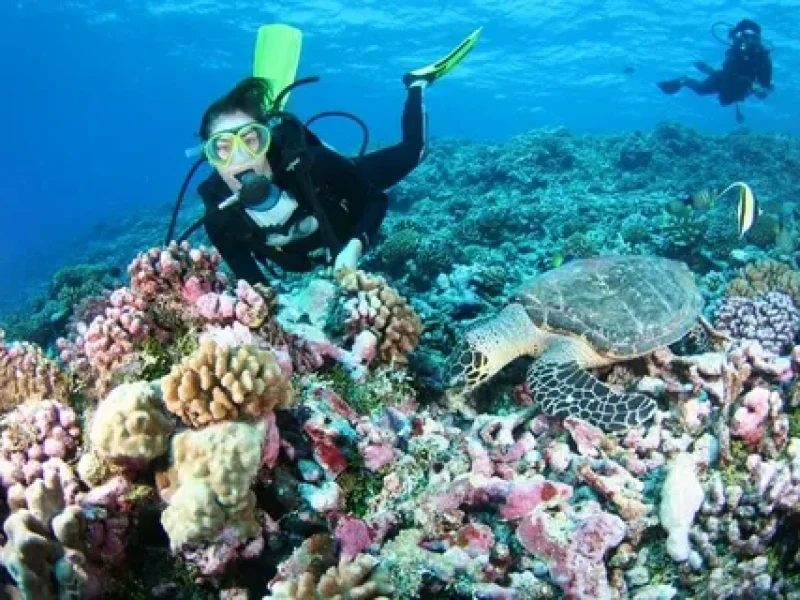
Red Sea snorkeling tours offer unparalleled opportunities to explore vibrant coral reefs and diverse marine life. These tours provide access to some of the world’s most stunning underwater ecosystems, making them a must-do for any snorkeling enthusiast. From beginners to experienced snorkelers, there’s a Red Sea snorkeling tour to suit every skill level and interest.
Understanding Red Sea Snorkeling Tours
Red Sea snorkeling tours are guided excursions designed to allow participants to explore the underwater world of the Red Sea. These tours typically include transportation to and from snorkeling sites, equipment rental, and guidance from experienced snorkeling instructors.
The tours cater to a wide range of skill levels, from beginners who have never snorkeled before to experienced snorkelers looking to explore new and exciting locations. The Red Sea’s unique ecosystem makes it a prime location for snorkeling, with clear waters, vibrant coral reefs, and a diverse array of marine life.
Components of a Typical Tour
A typical Red Sea snorkeling tour includes several key components that ensure a safe and enjoyable experience for all participants.
- Transportation: Most tours provide transportation to and from your hotel or designated meeting point. This eliminates the hassle of arranging your own transportation and ensures that you arrive at the snorkeling site on time.
- Equipment Rental: All necessary snorkeling equipment, including a mask, snorkel, and fins, is usually provided as part of the tour package. High-quality equipment is essential for a comfortable and safe snorkeling experience.
- Snorkeling Instruction: For beginners, many tours offer basic snorkeling instruction to help participants become comfortable in the water and learn the proper techniques for snorkeling. This instruction typically covers how to use the equipment, how to breathe properly, and how to stay safe in the water.
- Guided Snorkeling: Experienced snorkeling guides lead participants to the best snorkeling spots and provide information about the marine life and coral reefs they encounter. These guides are knowledgeable about the local ecosystem and can point out interesting features that you might otherwise miss.
- Refreshments: Many tours include refreshments such as water, juice, and snacks to keep participants hydrated and energized throughout the day. Some tours may also include a full lunch.
Types of Red Sea Snorkeling Tours
There are several different types of Red Sea snorkeling tours available, each offering a unique experience.
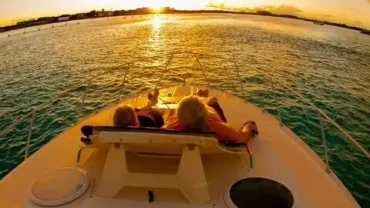
- Boat Tours: Boat tours are the most common type of snorkeling tour in the Red Sea. These tours involve traveling to various snorkeling sites by boat, allowing participants to explore multiple locations in a single day. Boat tours often include lunch and refreshments, as well as opportunities for swimming and sunbathing.
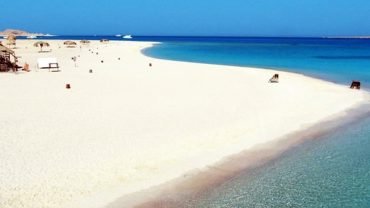
- Shore Snorkeling Tours: Shore snorkeling tours involve snorkeling directly from the beach or coastline. These tours are ideal for beginners or those who prefer to stay close to shore. Shore snorkeling sites are often located in sheltered bays or lagoons with calm, shallow waters.
- Private Snorkeling Tours: Private snorkeling tours offer a more personalized experience, with a dedicated boat and snorkeling guide just for your group. These tours can be customized to your specific interests and preferences, allowing you to explore the Red Sea at your own pace.
- Night Snorkeling Tours: Night snorkeling tours provide a unique opportunity to see the Red Sea’s marine life in a different light. These tours involve snorkeling at night with the aid of underwater lights, revealing nocturnal creatures that are not visible during the day.
Choosing the right type of tour depends on your preferences, skill level, and budget. Boat tours are a great option for those who want to see multiple snorkeling sites, while shore snorkeling tours are ideal for beginners. Private tours offer a more personalized experience, and night tours provide a unique perspective on the Red Sea’s marine life.
Why Choose Red Sea Snorkeling Tours?
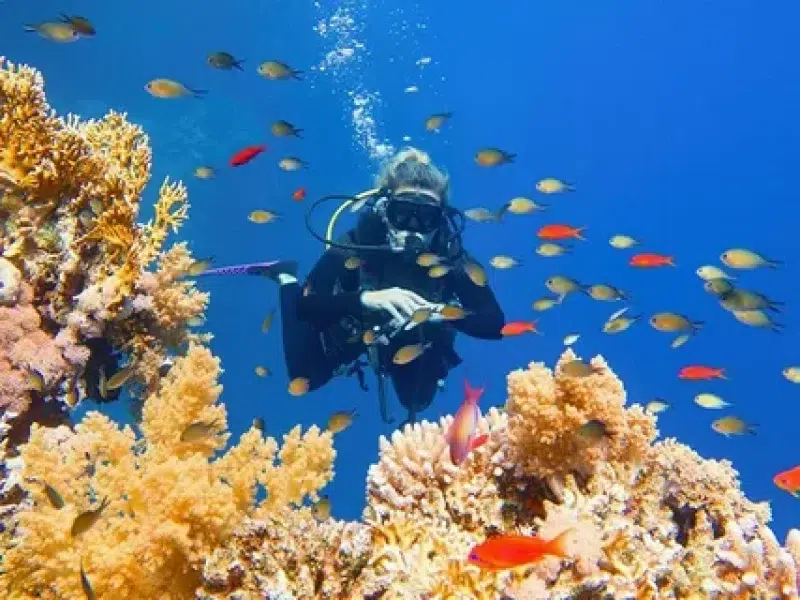
The Red Sea is renowned for its exceptional snorkeling conditions, boasting crystal-clear waters, vibrant coral reefs, and an abundance of marine life. These factors combine to create an unparalleled snorkeling experience that attracts visitors from around the globe.
Compared to other snorkeling destinations, the Red Sea offers several distinct advantages. The water is typically warmer and clearer than in many other locations, making it easier to see and enjoy the underwater world. The coral reefs are also more diverse and colorful, providing a stunning backdrop for snorkeling adventures.
Exceptional Marine Biodiversity
The Red Sea is home to an extraordinary array of marine life, including over 1,200 species of fish, 10% of which are found nowhere else on Earth. Snorkelers can encounter a wide variety of colorful fish, including clownfish, butterflyfish, parrotfish, and angelfish. In addition to fish, the Red Sea is also home to sea turtles, dolphins, and a variety of invertebrates such as sea stars, sea urchins, and sea cucumbers.
- Clownfish: These iconic fish are known for their bright orange color and distinctive white stripes. They are often found living among the tentacles of sea anemones, where they are protected from predators.
- Butterflyfish: These elegant fish are characterized by their vibrant colors and intricate patterns. They are often seen flitting around coral reefs, feeding on small invertebrates.
- Parrotfish: These colorful fish are named for their beak-like mouths, which they use to scrape algae off of coral reefs. They play an important role in maintaining the health of coral reefs by preventing algae from overgrowing.
- Angelfish: These graceful fish are known for their flattened bodies and flowing fins. They are often seen swimming among coral reefs, feeding on sponges and other invertebrates.
The Red Sea’s rich biodiversity makes it a paradise for snorkelers, offering the opportunity to see a wide variety of marine life in its natural habitat. Snorkeling in the Red Sea provides a unique and unforgettable experience for nature lovers and underwater enthusiasts.
Excellent Visibility
The Red Sea is known for its exceptional water clarity, with visibility often exceeding 30 meters. This excellent visibility allows snorkelers to see the coral reefs and marine life in stunning detail. The clear waters are due to the Red Sea’s unique geographic location and the absence of major rivers that can carry sediment and pollutants into the sea.
The Red Sea’s clear waters also make it an ideal location for underwater photography and videography. Snorkelers can capture stunning images and videos of the coral reefs and marine life, creating lasting memories of their snorkeling adventures. The combination of clear waters and vibrant marine life makes the Red Sea a photographer’s paradise.
Warm Water Temperatures
The Red Sea enjoys warm water temperatures year-round, making it a comfortable destination for snorkeling at any time of the year. Water temperatures typically range from 22°C (72°F) in the winter to 30°C (86°F) in the summer. These warm water temperatures allow snorkelers to spend extended periods of time in the water without getting cold.
The warm water temperatures also contribute to the health and vitality of the coral reefs. Coral reefs thrive in warm, shallow waters, and the Red Sea’s consistently warm temperatures provide ideal conditions for coral growth. This contributes to the Red Sea’s vibrant and diverse coral reef ecosystem.
Top Destinations for Red Sea Snorkeling Tours
The Red Sea offers a plethora of incredible snorkeling destinations, each with its own unique charm and attractions. From vibrant coral gardens to intriguing shipwrecks, there’s something for every snorkeling enthusiast to discover. Some of the most popular destinations include Hurghada, Sharm el-Sheikh, and Marsa Alam.
Each of these destinations offers a range of snorkeling tours and activities, catering to different skill levels and interests. Whether you’re a beginner looking for a gentle introduction to snorkeling or an experienced snorkeler seeking a thrilling adventure, you’ll find the perfect destination and tour to suit your needs.
Hurghada
Hurghada is one of the most popular tourist destinations in Egypt, known for its beautiful beaches, vibrant nightlife, and excellent snorkeling opportunities. The city is located on the western coast of the Red Sea and offers easy access to a variety of snorkeling sites.
- Giftun Island: Giftun Island is a protected marine reserve located just off the coast of Hurghada. The island is surrounded by vibrant coral reefs and crystal-clear waters, making it a popular destination for snorkeling and diving.
- Abu Ramada Island: Abu Ramada Island, also known as Aquarium, is another popular snorkeling site near Hurghada. The island is home to a diverse array of marine life, including colorful fish, sea turtles, and dolphins.
- Careless Reef: Careless Reef is a stunning coral reef located a short boat ride from Hurghada. The reef is known for its vibrant colors and diverse marine life, making it a must-see destination for snorkelers.
Hurghada offers a wide range of Red Sea snorkeling tours, catering to different skill levels and interests. Whether you’re looking for a relaxing snorkeling trip to a nearby island or a more adventurous excursion to a remote reef, you’ll find the perfect tour in Hurghada.
Sharm el-Sheikh
Sharm el-Sheikh is another popular tourist destination in Egypt, located on the southern tip of the Sinai Peninsula. The city is known for its stunning beaches, luxurious resorts, and world-class snorkeling and diving opportunities.
- Ras Mohammed National Park: Ras Mohammed National Park is a protected marine reserve located at the southernmost tip of the Sinai Peninsula. The park is home to some of the most pristine coral reefs in the world, as well as a diverse array of marine life.
- Tiran Island: Tiran Island is a popular snorkeling and diving site located in the Straits of Tiran, between the Sinai Peninsula and Saudi Arabia. The island is surrounded by four stunning coral reefs, each with its own unique characteristics.
- The Blue Hole: The Blue Hole is a famous diving site located just north of Sharm el-Sheikh. While primarily a diving site, the Blue Hole also offers excellent snorkeling opportunities in the shallow waters surrounding the hole.
Sharm el-Sheikh offers a variety of snorkeling tours and activities, including boat trips to Ras Mohammed National Park and Tiran Island. The city is also home to numerous snorkeling centers and dive shops, where you can rent equipment and book guided tours.
Marsa Alam
Marsa Alam is a quieter and less crowded destination than Hurghada and Sharm el-Sheikh, offering a more relaxed and authentic Red Sea experience. The city is located on the southern coast of Egypt and is known for its pristine beaches, untouched coral reefs, and abundant marine life.
- Elphinstone Reef: Elphinstone Reef is a legendary diving and snorkeling site located a short boat ride from Marsa Alam. The reef is known for its dramatic walls, strong currents, and abundant marine life, including sharks, dolphins, and sea turtles.
- Abu Dabbab Bay: Abu Dabbab Bay is a sheltered bay located just north of Marsa Alam. The bay is home to a variety of marine life, including sea turtles, dugongs, and colorful fish.
- Shaab Samadai (Dolphin House): Shaab Samadai, also known as Dolphin House, is a protected marine reserve located near Marsa Alam. The reef is home to a large pod of spinner dolphins, which often interact with snorkelers and divers. Dolphin watching tours are very popular here.
Marsa Alam offers a range of snorkeling tours and activities, including boat trips to Elphinstone Reef and Abu Dabbab Bay. The city is also home to several eco-lodges and resorts, which are committed to sustainable tourism practices.
What to Expect on a Red Sea Snorkeling Tour
A Red Sea snorkeling tour typically begins with a briefing from the tour guide, who will provide information about the snorkeling site, safety procedures, and the marine life you are likely to encounter. The guide will also demonstrate the proper use of snorkeling equipment and answer any questions you may have.
After the briefing, you will be provided with snorkeling equipment, including a mask, snorkel, and fins. It is important to ensure that the equipment fits properly and is comfortable to wear. The tour guide will assist you with adjusting the equipment if necessary.
Entering the Water
Entering the water can be a bit daunting for beginners, but the tour guide will provide assistance and support to help you feel comfortable. The guide will typically lead you into the water and show you how to float and breathe properly using the snorkel.
Once you are in the water, take a few moments to adjust to the temperature and practice breathing through the snorkel. It is important to stay relaxed and calm, as this will help you conserve energy and enjoy the snorkeling experience.
Exploring the Underwater World
As you begin to explore the underwater world, you will be amazed by the vibrant colors and diverse marine life. The Red Sea is home to a wide variety of coral reefs, fish, and other marine creatures, each with its own unique characteristics.
- Coral Reefs: The Red Sea’s coral reefs are among the most diverse and colorful in the world. They provide habitat for a wide variety of marine life and are essential to the health of the Red Sea ecosystem.
- Fish: The Red Sea is home to over 1,200 species of fish, including clownfish, butterflyfish, parrotfish, and angelfish. These fish come in a wide variety of colors and sizes and are a delight to observe.
- Other Marine Creatures: In addition to fish and coral reefs, the Red Sea is also home to sea turtles, dolphins, and a variety of invertebrates such as sea stars, sea urchins, and sea cucumbers.
As you snorkel, be sure to follow the tour guide’s instructions and stay within the designated snorkeling area. It is important to avoid touching or disturbing the coral reefs, as they are fragile and easily damaged.
Safety Considerations
Safety is a top priority on Red Sea snorkeling tours. The tour guide will provide information about potential hazards and how to avoid them. It is important to listen carefully to the guide’s instructions and follow their advice.
- Sun Protection: The Red Sea sun can be very strong, so it is important to protect your skin from sunburn. Wear a rash guard or t-shirt, apply sunscreen liberally, and wear a hat and sunglasses.
- Hydration: It is important to stay hydrated while snorkeling, as you can lose fluids through sweat and breathing. Drink plenty of water or juice throughout the day.
- Marine Life: While most marine life in the Red Sea is harmless, some creatures can sting or bite. Avoid touching or disturbing marine life, and be aware of your surroundings.
By following these safety guidelines, you can ensure a safe and enjoyable snorkeling experience in the Red Sea.
Essential Gear for Red Sea Snorkeling Tours
Having the right gear is essential for a comfortable and safe snorkeling experience in the Red Sea. While most snorkeling tours provide basic equipment such as a mask, snorkel, and fins, there are other items that you may want to bring along to enhance your experience.
Investing in your own snorkeling gear can be a worthwhile investment, especially if you plan to snorkel frequently. Having your own gear ensures a comfortable and personalized fit, and it also allows you to choose high-quality equipment that meets your specific needs.
Mask, Snorkel, and Fins
A well-fitting mask is essential for clear underwater vision. The mask should create a tight seal around your face to prevent water from entering. A comfortable snorkel allows you to breathe easily while keeping your face in the water. Fins provide propulsion and help you move through the water efficiently.
- Mask: Choose a mask that fits snugly around your face without being too tight. The mask should have a wide field of vision and be made of high-quality silicone.
- Snorkel: Choose a snorkel that is comfortable to use and has a purge valve to easily clear out any water that enters.
- Fins: Choose fins that are the right size for your feet and provide adequate propulsion. There are two main types of fins: full-foot fins and open-heel fins. Full-foot fins are more comfortable for snorkeling, while open-heel fins are typically used for diving.
When choosing snorkeling gear, it is important to consider the quality of the materials and the fit. High-quality gear will last longer and provide a more comfortable and enjoyable snorkeling experience.
Rash Guard or Wetsuit
A rash guard or wetsuit provides protection from the sun, jellyfish stings, and scrapes from coral reefs. A rash guard is a lightweight, quick-drying shirt made of stretchy material. A wetsuit is a thicker, insulated suit that provides warmth in cooler waters.
Whether you choose a rash guard or a wetsuit depends on the water temperature and your personal preferences. In warmer waters, a rash guard may be sufficient to provide sun protection and prevent jellyfish stings. In cooler waters, a wetsuit may be necessary to stay warm and comfortable.
Sunscreen and Hat
The Red Sea sun can be very strong, so it is important to protect your skin from sunburn. Apply sunscreen liberally to all exposed skin, and wear a hat to protect your face and neck. Choose a sunscreen that is water-resistant and has a high SPF (Sun Protection Factor).
It is also important to reapply sunscreen frequently, especially after swimming or sweating. Sunburn can be very painful and can increase your risk of skin cancer.
Underwater Camera
An underwater camera allows you to capture stunning images and videos of the coral reefs and marine life you encounter while snorkeling. There are many different types of underwater cameras available, from inexpensive point-and-shoot cameras to high-end professional cameras.
When choosing an underwater camera, consider the image quality, depth rating, and ease of use. It is also important to practice using the camera before your snorkeling trip, so you are familiar with its features and settings.
Consider alternative tours if you are not comfortable in the water.
Common Misconceptions and Risks of Red Sea Snorkeling Tours
While Red Sea snorkeling tours are generally safe and enjoyable, there are some common misconceptions and potential risks that snorkelers should be aware of. Understanding these misconceptions and risks can help you prepare for your snorkeling trip and minimize the chances of encountering any problems.
One common misconception is that snorkeling is easy and requires no skill or preparation. While snorkeling is relatively easy to learn, it is important to have a basic understanding of swimming and breathing techniques. It is also important to be aware of potential hazards such as strong currents and marine life.
Sunburn and Dehydration
As mentioned earlier, the Red Sea sun can be very strong, and sunburn and dehydration are common risks for snorkelers. It is important to protect your skin from the sun by wearing a rash guard or t-shirt, applying sunscreen liberally, and wearing a hat and sunglasses. It is also important to stay hydrated by drinking plenty of water or juice throughout the day.
Sunburn can be very painful and can increase your risk of skin cancer. Dehydration can lead to fatigue, dizziness, and heatstroke. By taking precautions to protect yourself from the sun and stay hydrated, you can minimize the risk of these problems.
Jellyfish Stings
Jellyfish are common in the Red Sea, and jellyfish stings can be painful and irritating. While most jellyfish stings are not dangerous, some species can cause more serious reactions. It is important to be aware of the potential for jellyfish stings and to take precautions to avoid them.
Wearing a rash guard or wetsuit can help protect your skin from jellyfish stings. If you are stung by a jellyfish, rinse the affected area with vinegar or seawater. Avoid rubbing the area, as this can release more venom. If you experience a severe reaction, such as difficulty breathing or swelling, seek medical attention immediately.
Coral Reef Damage
Coral reefs are fragile ecosystems that are easily damaged by human activity. Snorkelers should be careful to avoid touching or disturbing the coral reefs. Touching coral can damage the delicate polyps that make up the reef, and it can also introduce bacteria that can harm the coral.
It is also important to avoid kicking up sediment, as this can cloud the water and block sunlight from reaching the coral. By being mindful of your surroundings and avoiding contact with the coral reefs, you can help protect these valuable ecosystems.
Consider diving if you want to get closer to the reefs.
Frequently asked questions about Red Sea snorkeling tours
What is the best time of year for Red Sea snorkeling tours?
The best time for Red Sea snorkeling tours is generally during the spring (March-May) and autumn (September-November) months. The weather is pleasant, and the water temperatures are ideal for snorkeling. Summer months can be very hot, while winter months can be cooler, but snorkeling is still possible year-round.
What should I wear for a Red Sea snorkeling tour?
You should wear a swimsuit, rash guard or t-shirt, and sunscreen. A hat and sunglasses are also recommended to protect yourself from the sun. Some tours may provide wetsuits, but it’s a good idea to check beforehand, especially during the cooler months.
Do I need to be a strong swimmer to participate in Red Sea snorkeling tours?
While it’s helpful to be comfortable in the water, you don’t need to be a strong swimmer. Most tours provide flotation devices, and the snorkeling sites are usually in calm, shallow waters. However, it’s always a good idea to inform the tour operator of your swimming abilities.
Are Red Sea snorkeling tours safe for children?
Yes, Red Sea snorkeling tours can be safe for children, as long as they are supervised by adults and wear appropriate safety gear. Many tour operators offer snorkeling equipment specifically designed for children. It’s essential to choose a tour that is suitable for your child’s age and swimming abilities.
What kind of marine life can I expect to see on Red Sea snorkeling tours?
You can expect to see a wide variety of marine life, including colorful fish, coral reefs, sea turtles, dolphins, and various invertebrates. The Red Sea is known for its rich biodiversity, making it a paradise for snorkelers and divers.
Are there any restrictions on what I can bring on a Red Sea snorkeling tour?
Most tour operators have restrictions on bringing outside food and drinks, as they usually provide refreshments. It’s also important to avoid bringing any items that could damage the coral reefs or disturb the marine life. Check with the tour operator for specific guidelines.
How long do Red Sea snorkeling tours typically last?
Red Sea snorkeling tours typically last between 4 to 8 hours, depending on the tour operator and the specific itinerary. This usually includes transportation to and from the snorkeling site, equipment rental, snorkeling time, and refreshments.
Can I rent snorkeling equipment if I don’t have my own?
Yes, most Red Sea snorkeling tours include equipment rental as part of the package. However, if you prefer to use your own equipment, you are welcome to bring it along. Just make sure it is in good condition and suitable for snorkeling.
Ready to Experience This in Person?
Book the official Red Sea Coral Reef Snorkeling Tour with Lunch with Hurghada Sun Seekers. Enjoy guaranteed best local prices, hotel transfers, and flexible free cancellation.
Conclusion
Red Sea snorkeling tours offer an unforgettable experience, allowing you to explore the vibrant underwater world and witness the beauty of the coral reefs and marine life. With careful planning and preparation, you can enjoy a safe and rewarding snorkeling adventure.
Ready to dive in? Book your Red Sea snorkeling tour today and discover the wonders that await beneath the surface! Check out our snorkeling tours.
For broader travel context while planning your Red Sea holiday, you can also visit the official Egypt tourism guide.
Comment (0)