

Red Sea Safari Adventures: Your Ultimate Guide
Red Sea safari adventures offer unparalleled opportunities to explore vibrant coral reefs, encounter diverse marine life, and experience thrilling underwater landscapes. These adventures typically involve liveaboard diving trips, providing divers with access to remote and pristine dive sites that are otherwise difficult to reach. Whether you’re a seasoned diver or a beginner, a Red Sea safari promises an unforgettable aquatic journey.
Understanding Red Sea Safari Adventures
Red Sea safari adventures are more than just diving trips; they are immersive experiences designed to showcase the Red Sea’s stunning underwater ecosystems. These safaris typically involve spending several days on a liveaboard vessel, allowing divers to explore multiple dive sites along a predetermined route.
The allure of a Red Sea safari lies in its accessibility to remote and untouched dive locations. These sites often boast healthier coral reefs, higher concentrations of marine life, and clearer waters compared to more accessible shore-based dive spots.
The Appeal of Liveaboard Diving
Liveaboard diving is the cornerstone of Red Sea safari adventures. These vessels are equipped with everything needed for a comfortable and comprehensive diving experience. From onboard compressors for filling tanks to experienced dive guides who know the best spots, liveaboards cater to divers of all skill levels.
- Convenience: Liveaboards eliminate the need for daily travel to and from dive sites, maximizing your time underwater.
- Access: They provide access to remote and pristine locations that are inaccessible by shore-based operations.
- Community: Liveaboards foster a sense of community among divers, creating a shared experience and camaraderie.
The convenience and access offered by liveaboards make Red Sea safari adventures an ideal choice for divers seeking an immersive and rewarding experience. Furthermore, the social aspect of living and diving with like-minded individuals adds another layer of enjoyment to the trip.
Types of Red Sea Safaris
Red Sea safaris come in various forms, each tailored to different interests and skill levels. Understanding the different types of safaris can help you choose the one that best suits your needs.
- Northern Red Sea Safaris: These safaris typically explore the Straits of Tiran and the northern reefs, known for their historical wrecks and vibrant coral gardens.
- Southern Red Sea Safaris: Focusing on the southern regions, these safaris offer encounters with larger marine life, such as sharks and manta rays, and explore remote and pristine reefs.
- Wreck Diving Safaris: Dedicated to exploring the Red Sea’s famous shipwrecks, these safaris are a must for wreck diving enthusiasts.
- Photography Safaris: Tailored for underwater photographers, these safaris provide ample time and guidance for capturing stunning images of the Red Sea’s marine life and landscapes.
Each type of safari offers a unique perspective on the Red Sea’s underwater wonders. Whether you’re interested in wrecks, marine life, or photography, there’s a Red Sea safari adventure to match your passion. Divers looking to improve their skills might consider a safari that includes specialty courses, such as wreck diving or underwater photography certifications. These courses can enhance your diving experience and provide you with valuable knowledge and techniques.

Planning Your Red Sea Safari Adventure

Planning a Red Sea safari adventure requires careful consideration of several factors, including the time of year, your budget, and your diving experience. A well-planned safari ensures a smooth and enjoyable experience.
The first step in planning your safari is to determine your budget. Red Sea safaris can range in price from budget-friendly options to luxurious experiences. Consider the cost of the liveaboard, flights, visas, and any additional expenses, such as dive gear rental or specialty courses.
Choosing the Right Time of Year
The best time to embark on a Red Sea safari adventure depends on your preferences and the type of marine life you hope to see. The Red Sea enjoys a warm and sunny climate year-round, but water temperatures and visibility can vary.
- Spring (March-May): This is a popular time for diving, with pleasant water temperatures and good visibility.
- Summer (June-August): Water temperatures are at their warmest, making it ideal for long dives. However, air temperatures can be high, so be prepared for the heat.
- Autumn (September-November): Similar to spring, autumn offers comfortable water temperatures and excellent visibility.
- Winter (December-February): Water temperatures are cooler, but visibility is often at its best. This is also a good time to see certain species of sharks.
Consider the time of year in relation to the marine life you’re most interested in seeing. For example, hammerhead sharks are more commonly sighted during the cooler months, while whale sharks are more prevalent during the summer. Checking seasonal migration patterns and marine life activity can help you align your trip with your diving goals.
Selecting a Liveaboard Operator
Choosing the right liveaboard operator is crucial for a successful Red Sea safari adventure. Research different operators, read reviews, and compare their offerings to find one that meets your needs and preferences.
- Safety Record: Ensure the operator has a strong safety record and adheres to international safety standards.
- Vessel Quality: Check the condition of the vessel and its amenities. Look for features such as air conditioning, comfortable cabins, and well-maintained dive equipment.
- Itinerary: Review the itinerary and ensure it includes dive sites that you are interested in exploring.
- Dive Guides: Experienced and knowledgeable dive guides can greatly enhance your safari experience.
When evaluating operators, consider their commitment to sustainable tourism practices. Choose operators that prioritize environmental conservation, such as minimizing their impact on coral reefs and supporting local communities. Responsible tourism helps preserve the Red Sea’s natural beauty for future generations.
Booking and Preparation
Once you’ve chosen a liveaboard operator and itinerary, it’s time to book your Red Sea safari adventure. Book well in advance, especially if you’re traveling during peak season. Ensure you have all the necessary travel documents, including a valid passport and visa.
- Travel Insurance: Purchase comprehensive travel insurance that covers diving activities and medical emergencies.
- Dive Certification: Ensure your dive certification is up-to-date and valid. Bring your certification card with you.
- Medical Check-up: Undergo a medical check-up to ensure you are fit to dive.
Proper preparation is key to a safe and enjoyable Red Sea safari adventure. By taking the time to research and plan your trip, you can ensure that you’re well-prepared for the challenges and rewards that await you underwater. Consider taking a refresher course if you haven’t dived in a while, to brush up on your skills and confidence.
Essential Gear for Your Red Sea Safari
Having the right gear is essential for a comfortable and safe Red Sea safari adventure. While liveaboard operators typically provide basic dive equipment, bringing your own gear can enhance your experience and ensure a proper fit.
The first essential item is a well-fitting wetsuit. The Red Sea’s water temperatures can vary, so consider bringing a wetsuit that is appropriate for the time of year. A 3mm wetsuit is generally suitable for summer months, while a 5mm or 7mm wetsuit may be necessary during winter.
Dive Gear Essentials
In addition to a wetsuit, there are several other pieces of dive gear that you should consider bringing on your Red Sea safari adventure.
- Mask and Snorkel: A comfortable and well-fitting mask is crucial for clear underwater vision. A snorkel allows you to conserve air while on the surface.
- Fins: Choose fins that are appropriate for the type of diving you’ll be doing. Split fins are popular for their efficiency, while paddle fins provide more power.
- Dive Computer: A dive computer is essential for monitoring your depth, dive time, and decompression status.
- Buoyancy Compensator (BCD): A BCD allows you to control your buoyancy and maintain a comfortable position underwater.
Ensure that all your dive gear is in good working order before your trip. Inspect your equipment for any signs of wear and tear, and replace any worn or damaged parts. Familiarize yourself with your gear and practice using it in a pool or shallow water before your safari.
Additional Equipment and Accessories
Beyond the essential dive gear, there are several other items that can enhance your Red Sea safari adventure.
- Underwater Camera: Capture stunning images and videos of the Red Sea’s marine life and landscapes.
- Dive Light: A dive light is essential for exploring wrecks and caves, and for diving at night.
- Reef Hook: A reef hook allows you to securely anchor yourself to a reef in strong currents, freeing up your hands for photography or observation.
- Surface Marker Buoy (SMB): An SMB is an inflatable buoy that you can deploy to signal your location to the surface.
Consider bringing a small repair kit with essential tools and spare parts for your dive gear. This can be a lifesaver if you experience any equipment malfunctions during your safari. A well-stocked first-aid kit is also essential, in case of minor injuries or ailments.
Personal Comfort Items
In addition to dive gear, remember to pack personal comfort items to make your Red Sea safari adventure more enjoyable.
- Sunscreen: Protect your skin from the strong Red Sea sun.
- Hat and Sunglasses: Shield your eyes and head from the sun.
- Swimsuit: Pack several swimsuits for swimming and snorkeling.
- Comfortable Clothing: Bring lightweight and breathable clothing for warm weather.
Remember to pack any necessary medications and toiletries. If you are prone to seasickness, consider bringing motion sickness medication. A good book or e-reader can help you relax during downtime on the liveaboard. By packing the right gear and personal items, you can ensure a comfortable, safe, and unforgettable Red Sea safari adventure. Don’t forget to label all your gear with your name and contact information, to prevent loss or confusion.
Top Destinations for Red Sea Safari Adventures
The Red Sea boasts numerous world-class dive sites, each offering unique underwater landscapes and marine life encounters. Some of the top destinations for Red Sea safari adventures include:
The Straits of Tiran, located at the entrance to the Gulf of Aqaba, are renowned for their strong currents and vibrant coral reefs. These currents attract a diverse array of marine life, including sharks, rays, and colorful reef fish.
The Straits of Tiran
The Straits of Tiran are a must-visit destination for any Red Sea safari adventure. The four main reefs – Jackson, Woodhouse, Thomas, and Gordon – offer a variety of diving experiences.
- Jackson Reef: Known for its strong currents and hammerhead shark sightings.
- Woodhouse Reef: A long, narrow reef with a stunning drift dive along its eastern side.
- Thomas Reef: A deep reef with dramatic drop-offs and abundant soft corals.
- Gordon Reef: Famous for the wreck of the Louilla, which sits atop the reef.
Diving in the Straits of Tiran requires experience and caution due to the strong currents. However, the rewards are well worth the effort, with unforgettable encounters with marine life and breathtaking underwater scenery. Divers should pay close attention to their dive computers and follow the guidance of their dive guides to ensure a safe and enjoyable experience.
Ras Mohammed National Park
Located at the southernmost tip of the Sinai Peninsula, Ras Mohammed National Park is a protected marine area with pristine coral reefs and abundant marine life.
- Shark Reef and Yolanda Reef: Two of the most famous dive sites in the Red Sea, known for their stunning coral formations and shark sightings.
- The Alternatives: A series of smaller reefs with diverse marine life and excellent visibility.
- Jackfish Alley: A shallow dive site with a sandy bottom and abundant jackfish.
Ras Mohammed National Park offers a variety of diving experiences, from shallow reef dives to deep wall dives. The park’s protected status ensures that the reefs remain healthy and vibrant, providing a haven for marine life. Divers should respect the park’s regulations and avoid touching or damaging the coral reefs.
Consider exploring the advanced diving sites in Hurghada for a unique experience.
The Southern Red Sea
The southern Red Sea is a remote and pristine region with some of the best diving in the world. This area is known for its healthy coral reefs, abundant marine life, and frequent encounters with sharks and manta rays.
- Daedalus Reef: A remote offshore reef with strong currents and frequent hammerhead shark sightings.
- Elphinstone Reef: A long, narrow reef with dramatic drop-offs and abundant marine life, including oceanic whitetip sharks.
- The Brothers Islands: Two small islands with stunning wall dives and frequent shark encounters.
Diving in the southern Red Sea requires experience and a sense of adventure. The remote location and strong currents can present challenges, but the rewards are unparalleled. Divers who venture to this region are rewarded with unforgettable encounters with marine life and breathtaking underwater scenery. It is important to choose a reputable liveaboard operator with experience in navigating the southern Red Sea.
Wreck Diving Sites
The Red Sea is home to numerous shipwrecks, offering unique and fascinating diving experiences. Some of the most famous wreck diving sites include:
- SS Thistlegorm: A British cargo ship sunk during World War II, now a popular dive site with a wealth of artifacts.
- The Dunraven: A British cargo ship that sank in 1876, now encrusted with coral and home to a variety of marine life.
- The Rosalie Moller: A sister ship of the Thistlegorm, sunk during World War II and lying in deeper water.
Wreck diving requires specialized training and equipment. Divers should be certified in wreck diving and follow proper safety procedures. Exploring these historic wrecks is a unique and rewarding experience, offering a glimpse into the past and an opportunity to observe marine life that has made these wrecks their home.
Safety Considerations During Your Safari
Safety should always be a top priority during any Red Sea safari adventure. Divers should be aware of potential hazards and take precautions to minimize risks.
The first safety consideration is to ensure that you are properly certified and experienced for the type of diving you will be doing. If you are planning to dive in strong currents or deep water, you should have the appropriate certifications and experience. Consider taking specialty courses to enhance your skills and knowledge.
Dive Planning and Preparation
Proper dive planning and preparation are essential for a safe and enjoyable Red Sea safari adventure.
- Dive Briefings: Attend all dive briefings and pay attention to the dive plan, including depth limits, dive time, and emergency procedures.
- Buddy System: Always dive with a buddy and maintain visual contact throughout the dive.
- Equipment Checks: Conduct thorough equipment checks before each dive to ensure that all your gear is in good working order.
Communicate with your dive buddy and dive guide throughout the dive to ensure that everyone is aware of the dive plan and any potential hazards. Monitor your depth, dive time, and air supply regularly. If you encounter any problems, signal your buddy or dive guide immediately.
Environmental Awareness
Be aware of the marine environment and take precautions to avoid damaging coral reefs or disturbing marine life.
- Buoyancy Control: Maintain good buoyancy control to avoid touching or damaging coral reefs.
- No Touching: Do not touch or handle marine life.
- Waste Disposal: Dispose of all waste properly and avoid polluting the marine environment.
Respect the marine environment and follow the principles of responsible diving. Avoid using reef hooks in sensitive areas and be mindful of your fin movements to avoid stirring up sediment. Support sustainable tourism practices and choose liveaboard operators that prioritize environmental conservation.
Medical Considerations
Ensure that you are in good health and fit to dive before embarking on a Red Sea safari adventure. Consult with your doctor to ensure that you have no medical conditions that could be aggravated by diving.
- Dehydration: Drink plenty of water to stay hydrated, especially in the hot Red Sea climate.
- Seasickness: If you are prone to seasickness, take medication before the trip and avoid heavy meals.
- Sun Protection: Protect your skin from the sun with sunscreen, a hat, and sunglasses.
Be aware of the symptoms of decompression sickness (DCS) and seek medical attention immediately if you experience any symptoms. Follow safe diving practices and avoid exceeding depth or time limits. If you have any medical concerns, inform your dive guide or liveaboard crew.
Emergency Procedures
Familiarize yourself with emergency procedures on the liveaboard and know how to respond in case of an accident or medical emergency.
- Emergency Oxygen: Know the location of emergency oxygen and how to administer it.
- First Aid Kit: Know the location of the first aid kit and how to use it.
- Emergency Contact Information: Have emergency contact information readily available.
In the event of an emergency, remain calm and follow the instructions of the liveaboard crew. Know the location of safety equipment, such as life jackets and flares. By being prepared and aware of potential hazards, you can minimize risks and ensure a safe and enjoyable Red Sea safari adventure. Consider a private tour in the Red Sea for a more personalized and safe experience.
Common Misconceptions About Red Sea Safaris
Despite their popularity, several misconceptions surround Red Sea safaris. Addressing these can help prospective divers make informed decisions and have realistic expectations.
One common misconception is that Red Sea safaris are only for experienced divers. While some dive sites require advanced skills, many safaris cater to divers of all levels, including beginners. Liveaboard operators often offer introductory courses and guided dives for less experienced divers.
Misconception: Red Sea Safaris are Expensive
Another misconception is that Red Sea safaris are prohibitively expensive. While luxury options exist, budget-friendly safaris are also available. The cost of a safari depends on factors such as the duration, the type of vessel, and the itinerary. By researching different operators and comparing prices, divers can find safaris that fit their budget.
- Budget Options: Look for shorter safaris or those that visit less remote locations.
- Off-Season Travel: Travel during the off-season to take advantage of lower prices.
- Group Discounts: Inquire about group discounts if you are traveling with a group of friends or family.
Consider the value that a Red Sea safari provides. The convenience of liveaboard diving, the access to remote dive sites, and the opportunity to encounter diverse marine life make it a worthwhile investment for many divers. Divers can also save money by bringing their own dive gear and avoiding unnecessary expenses.
Misconception: Red Sea Diving is Always Safe
A dangerous misconception is that Red Sea diving is always safe and easy. While the Red Sea offers generally favorable diving conditions, it is important to be aware of potential hazards and take precautions to minimize risks. Strong currents, deep water, and marine life encounters can pose challenges for divers.
- Currents: Be aware of strong currents and know how to manage them.
- Depth: Avoid exceeding your depth limits and follow safe diving practices.
- Marine Life: Respect marine life and avoid approaching or disturbing potentially dangerous animals.
Divers should always dive within their limits and follow the guidance of their dive guides. Proper dive planning, equipment checks, and buddy system adherence are essential for a safe Red Sea safari adventure. It’s also crucial to be aware of the local regulations and guidelines for diving in protected areas.
Misconception: All Red Sea Dive Sites are the Same
Finally, some believe that all Red Sea dive sites are similar, offering little variety. In reality, the Red Sea boasts a diverse range of dive sites, each with unique characteristics and marine life. From vibrant coral gardens to historic wrecks, there is something for every diver to enjoy.
- Coral Reefs: Explore colorful coral reefs teeming with fish and invertebrates.
- Wrecks: Dive on historic shipwrecks and discover their fascinating stories.
- Wall Dives: Experience the thrill of diving along dramatic underwater walls.
Divers should research different dive sites and choose safaris that visit locations that align with their interests. The Red Sea offers a wealth of underwater wonders waiting to be explored. By dispelling these common misconceptions, divers can approach Red Sea safaris with realistic expectations and make informed decisions that lead to unforgettable experiences. Consider booking a diving tour in Hurghada to explore these diverse sites.
Maximizing Your Red Sea Safari Experience
To truly maximize your Red Sea safari adventure, consider these tips to enhance your overall experience and create lasting memories.
First, engage with the local culture by learning a few basic Arabic phrases. This simple gesture can go a long way in building rapport with the liveaboard crew and local communities. Showing respect for the local culture can enrich your travel experience.
Pre-Trip Preparation
Proper preparation before your trip can significantly enhance your Red Sea safari adventure.
- Research: Research the dive sites you will be visiting and learn about the marine life you may encounter.
- Skills Practice: Practice your diving skills in a pool or shallow water before the trip.
- Gear Familiarization: Familiarize yourself with your dive gear and ensure that it is in good working order.
Consider taking specialty courses to enhance your skills and knowledge. Courses such as underwater photography, wreck diving, or enriched air diving can add a new dimension to your diving experience. Being well-prepared will boost your confidence and allow you to fully enjoy the underwater wonders of the Red Sea.
Onboard Etiquette
Following proper onboard etiquette can contribute to a harmonious and enjoyable experience for everyone on the liveaboard.
- Respect: Respect the crew and fellow divers.
- Cleanliness: Keep your cabin and common areas clean and tidy.
- Noise Levels: Be mindful of noise levels, especially during sleeping hours.
Participate in onboard activities and socialize with your fellow divers. Share your experiences and learn from others. Liveaboards often foster a sense of community among divers, creating lasting friendships and shared memories. Be open to new experiences and embrace the opportunity to connect with like-minded individuals.
Underwater Photography and Videography
Capturing the beauty of the Red Sea through underwater photography and videography can create lasting memories of your safari adventure.
- Equipment: Invest in a good quality underwater camera or video camera.
- Techniques: Learn basic underwater photography and videography techniques.
- Lighting: Use proper lighting to enhance your images and videos.
Respect marine life and avoid disturbing or harassing animals while taking photos or videos. Be mindful of your buoyancy and avoid touching or damaging coral reefs. Share your images and videos with others and inspire them to explore and protect the underwater world. Consider joining a dolphin house snorkeling experience and capturing those moments as well.
Post-Trip Reflection
After your Red Sea safari adventure, take time to reflect on your experiences and share them with others.
- Journaling: Keep a journal of your dives and record your observations and experiences.
- Sharing: Share your photos and videos with friends and family.
- Advocacy: Advocate for the protection of the Red Sea’s marine environment.
Write reviews of the liveaboard operator and dive sites you visited to help other divers plan their trips. Support sustainable tourism practices and choose operators that prioritize environmental conservation. By sharing your experiences and advocating for the protection of the Red Sea, you can contribute to the preservation of this unique and valuable ecosystem for future generations.
Frequently asked questions about Red Sea safari adventures
What is a Red Sea safari adventure?
A Red Sea safari adventure is a liveaboard diving trip that allows divers to explore multiple dive sites along the Red Sea, offering access to remote and pristine underwater environments. These safaris typically last several days and provide a comprehensive diving experience.
What is the best time of year for a Red Sea safari adventure?
The best time for a Red Sea safari depends on your preferences, but generally, spring (March-May) and autumn (September-November) offer pleasant water temperatures and good visibility. Summer (June-August) is warmest, while winter (December-February) has cooler water but often the best visibility.
What dive gear do I need for a Red Sea safari?
Essential dive gear includes a well-fitting wetsuit (3mm-7mm depending on the season), mask, snorkel, fins, dive computer, and buoyancy compensator (BCD). Liveaboard operators usually provide tanks and weights, but bringing your own gear ensures a comfortable and proper fit.
Are Red Sea safaris suitable for beginner divers?
Yes, many Red Sea safaris cater to divers of all levels, including beginners. Liveaboard operators often offer introductory courses and guided dives for less experienced divers, ensuring a safe and enjoyable experience.
How much does a Red Sea safari adventure cost?
The cost of a Red Sea safari varies depending on the duration, type of vessel, and itinerary. Budget-friendly options are available, but luxury safaris can be more expensive. Researching different operators and comparing prices can help you find a safari that fits your budget.
What are some top destinations for Red Sea safari adventures?
Top destinations include the Straits of Tiran, Ras Mohammed National Park, the southern Red Sea, and various wreck diving sites like the SS Thistlegorm. Each location offers unique underwater landscapes and marine life encounters.
What safety precautions should I take during a Red Sea safari?
Prioritize safety by ensuring you are properly certified and experienced, attending dive briefings, diving with a buddy, conducting equipment checks, and being aware of environmental hazards and marine life. Also, stay hydrated and protect yourself from the sun.
How can I maximize my Red Sea safari experience?
To maximize your experience, prepare before the trip, engage with the local culture, follow onboard etiquette, capture memories through underwater photography, and reflect on your experiences after the trip. Support sustainable tourism practices to help protect the Red Sea’s marine environment.
Ready to Experience This in Person?
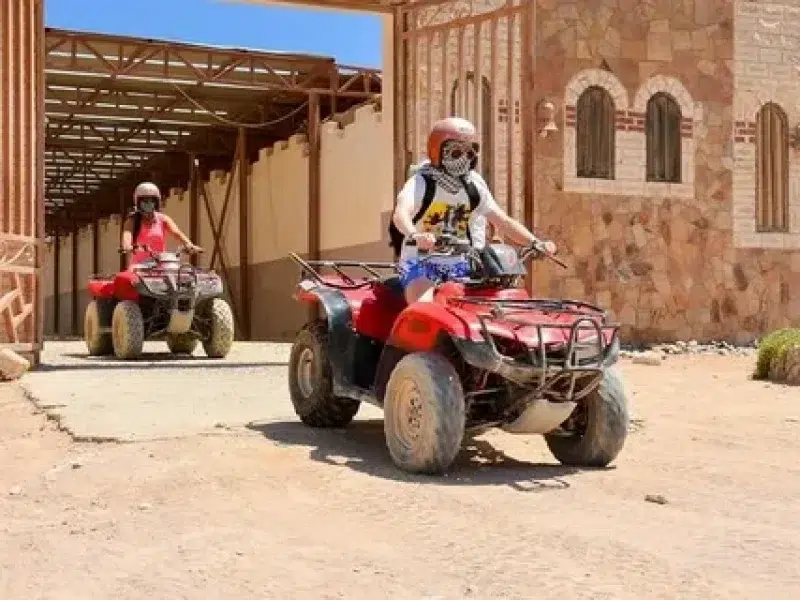
Book the official Super Safari Tour with Bedouin Dinner & Show with Hurghada Sun Seekers. Enjoy guaranteed best local prices, hotel transfers, and flexible free cancellation.
Conclusion
Red Sea safari adventures offer an unparalleled opportunity to explore the stunning underwater world, from vibrant coral reefs to historic shipwrecks. By planning carefully, packing the right gear, and prioritizing safety, you can ensure an unforgettable diving experience.
Ready to embark on your Red Sea safari adventure? Book your trip today and discover the wonders that await beneath the surface!
Comment (0)