

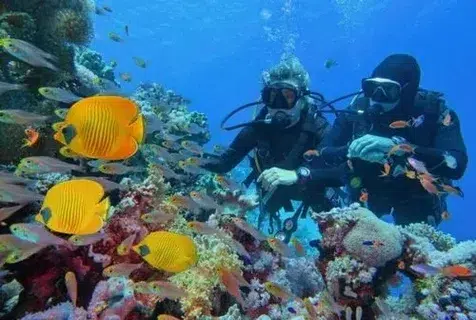
Red Sea Diving and Snorkeling: 7 Amazing Free Spots
Red Sea diving and snorkeling offer unparalleled opportunities to explore vibrant coral reefs, diverse marine life, and crystal-clear waters. The Red Sea’s unique ecosystem makes it a top destination for underwater enthusiasts seeking unforgettable experiences. Whether you’re a seasoned diver or a beginner snorkeler, the Red Sea promises an adventure like no other.
Understanding the Appeal of Red Sea Diving and Snorkeling
The Red Sea is renowned for its exceptional visibility, often exceeding 30 meters, which allows divers and snorkelers to fully appreciate the underwater landscapes. Moreover, the warm waters, typically ranging from 22°C to 30°C, provide comfortable conditions for extended periods in the water.
Furthermore, the Red Sea’s biodiversity is truly remarkable, boasting over 1,200 species of fish, including many endemic species found nowhere else on Earth. This rich marine life, combined with stunning coral formations, creates a vibrant and captivating underwater environment.
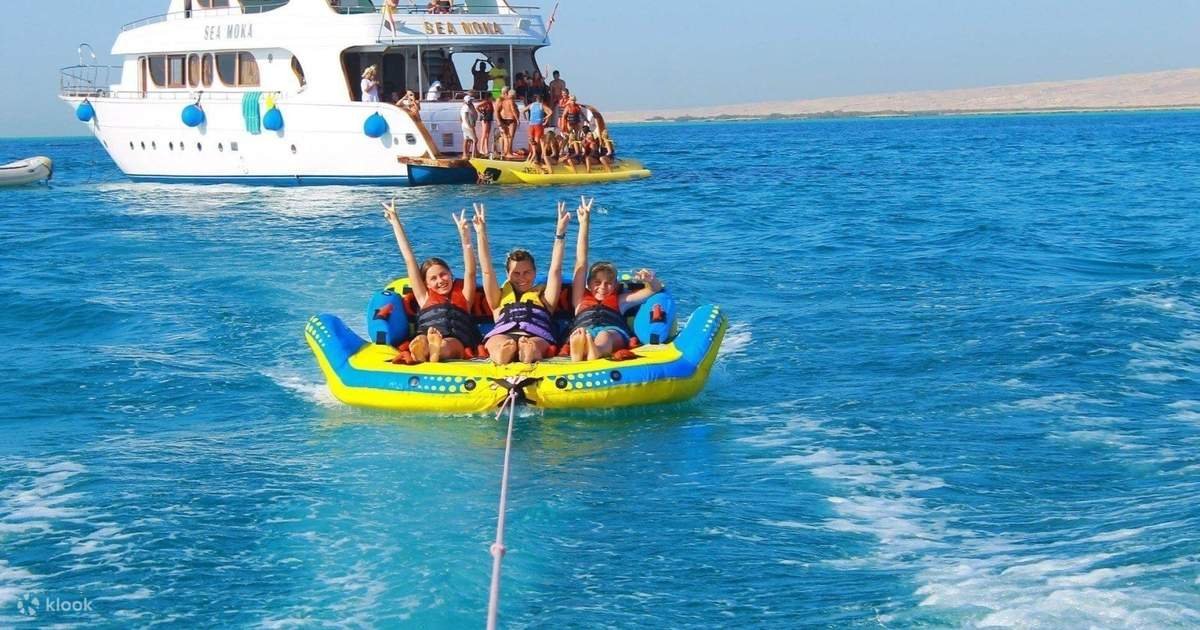
Why the Red Sea Stands Out
The Red Sea’s unique geological history and climate have contributed to its exceptional marine environment. The sea’s isolation from other major bodies of water has fostered the evolution of unique species and ecosystems. Additionally, the lack of major river inflows means that the water remains exceptionally clear, free from sediment and pollutants.
- Exceptional Visibility: Clear waters allow for stunning underwater views.
- Warm Temperatures: Comfortable conditions for extended dives and snorkeling trips.
- Diverse Marine Life: Home to a vast array of fish, coral, and other marine organisms.
The Red Sea’s combination of these factors makes it a premier destination for divers and snorkelers from around the world. For instance, the reefs near Hurghada offer incredible visibility and a chance to see diverse marine life. You can even book a diving tour to explore these amazing reefs further; check out this diving tour in Hurghada.
The Benefits of Diving and Snorkeling in the Red Sea
Diving and snorkeling in the Red Sea offer numerous benefits, both physical and mental. The act of swimming and exploring underwater environments provides excellent cardiovascular exercise, while the serene surroundings can help reduce stress and promote relaxation.
In addition, the Red Sea’s rich biodiversity provides opportunities for learning and discovery. Divers and snorkelers can observe a wide range of marine life in their natural habitats, gaining a deeper appreciation for the ocean’s complexity and beauty.
- Physical Fitness: Swimming and diving are excellent forms of exercise.
- Mental Well-being: Underwater environments promote relaxation and reduce stress.
- Educational Opportunities: Learn about marine life and ecosystems.
Moreover, the Red Sea offers a variety of diving and snorkeling experiences to suit different skill levels and interests. From shallow coral gardens perfect for beginners to deep wrecks teeming with marine life, there’s something for everyone to enjoy. For example, you can experience the beauty of the Red Sea by snorkeling in Hula Hula.
Top Locations for Red Sea Diving and Snorkeling
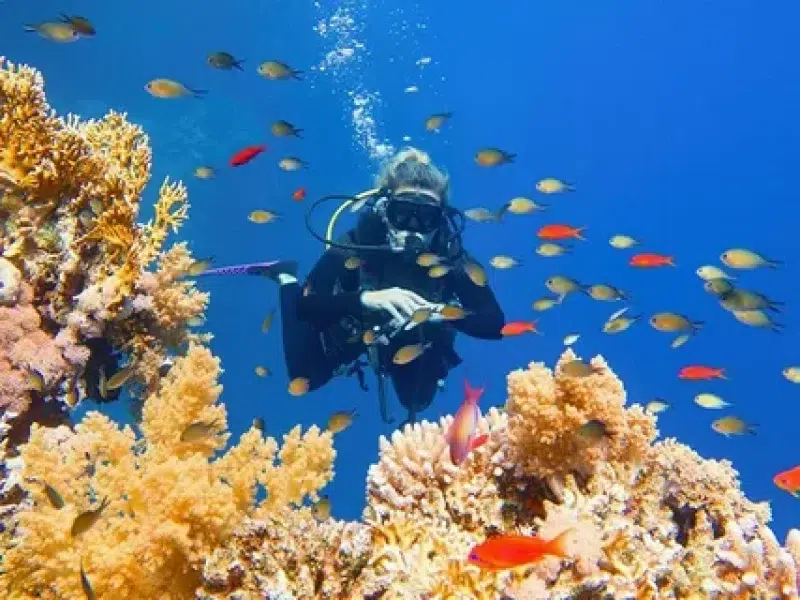
The Red Sea boasts numerous world-class diving and snorkeling locations, each offering unique attractions and experiences. From the northern reaches of the Gulf of Aqaba to the southern reefs of Sudan, there’s a diverse range of sites to explore.
Selecting the right location depends on your experience level, interests, and budget. Some sites are better suited for beginners, while others offer more challenging conditions for experienced divers. Here are some of the top locations for Red Sea diving and snorkeling.
Sharm el-Sheikh, Egypt
Sharm el-Sheikh is one of the most popular diving destinations in the Red Sea, known for its stunning coral reefs, abundant marine life, and excellent visibility. The area offers a wide range of dive sites, from shallow reefs perfect for snorkeling to deep wrecks teeming with marine life.
- Ras Mohammed National Park: A protected area with diverse coral reefs and abundant marine life.
- Thistlegorm Wreck: A World War II cargo ship that sank in 1941, now a popular dive site.
- Jackson Reef: Known for its strong currents and abundant marine life, including sharks and barracudas.
Sharm el-Sheikh also offers a wide range of accommodation options, from budget-friendly hostels to luxury resorts. The city has a vibrant nightlife and a variety of restaurants and shops, making it a great base for exploring the Red Sea. If you’re looking for a private tour in the Red Sea, you might want to check out this option.
Hurghada, Egypt
Hurghada is another popular diving destination in the Red Sea, offering a wide range of dive sites and activities. The area is known for its calm waters, excellent visibility, and abundant marine life. Hurghada is also a great base for exploring the nearby islands and reefs.
- Giftun Island: A popular snorkeling and diving destination with beautiful coral reefs and diverse marine life.
- Abu Nuhas Wrecks: A collection of shipwrecks that offer challenging and rewarding dives.
- El Mina Wreck: An Egyptian minesweeper that sank in 1969, now a popular dive site.
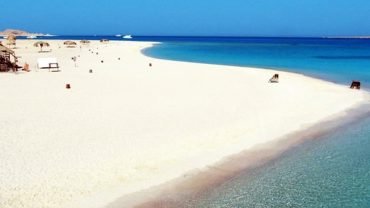
Hurghada offers a wide range of accommodation options, from budget-friendly hotels to luxury resorts. The city has a bustling marina and a variety of restaurants and shops. You can also find many snorkeling experiences such as snorkeling in Paradise Island.
Marsa Alam, Egypt
Marsa Alam is a more remote and less crowded diving destination in the Red Sea, offering pristine coral reefs and abundant marine life. The area is known for its calm waters, excellent visibility, and opportunities to see rare and unusual species.
- Elphinstone Reef: A legendary dive site known for its strong currents and abundant marine life, including sharks and oceanic whitetips.
- Dolphin House (Shaab Samadai): A protected area where divers and snorkelers can swim with dolphins.
- Abu Dabbab: A popular dive site known for its sea turtles and dugongs.
Marsa Alam offers a range of accommodation options, from eco-lodges to luxury resorts. The area is ideal for those seeking a more secluded and authentic Red Sea diving experience. If you want to swim with dolphins, you might want to check out this snorkeling experience.
Essential Gear for Red Sea Diving and Snorkeling
Having the right gear is essential for a safe and enjoyable Red Sea diving and snorkeling experience. The specific equipment you’ll need depends on whether you’re diving or snorkeling, as well as your skill level and the conditions of the dive site.
Investing in high-quality gear can significantly enhance your comfort and performance in the water. Here’s a breakdown of the essential gear for Red Sea diving and snorkeling.
Snorkeling Gear
Snorkeling requires a relatively simple set of equipment, making it accessible to people of all ages and skill levels. The basic snorkeling gear includes a mask, snorkel, and fins.
- Mask: A well-fitting mask is crucial for clear underwater vision. Look for a mask with a comfortable skirt and a wide field of view.
- Snorkel: A snorkel allows you to breathe while your face is submerged in the water. Choose a snorkel with a comfortable mouthpiece and a purge valve for easy clearing.
- Fins: Fins provide propulsion and help you move efficiently through the water. Select fins that fit comfortably and provide adequate power.
In addition to the basic gear, you may also want to consider a rash guard or wetsuit for sun protection and warmth. A snorkeling vest can also provide added buoyancy and safety. For example, you can enjoy a snorkeling experience with lunch.
Diving Gear
Diving requires a more extensive and specialized set of equipment than snorkeling. Divers need to be properly trained and certified to use this equipment safely. The essential diving gear includes a regulator, buoyancy compensator (BCD), dive computer, wetsuit or drysuit, and fins.
- Regulator: A regulator delivers air from the scuba tank to the diver. Choose a regulator that is reliable and easy to breathe from.
- Buoyancy Compensator (BCD): A BCD allows the diver to control their buoyancy in the water. Select a BCD that fits comfortably and provides adequate lift.
- Dive Computer: A dive computer monitors depth, time, and other important dive parameters. Choose a dive computer that is easy to read and use.
- Wetsuit or Drysuit: A wetsuit or drysuit provides insulation and protection from the cold water. Select a suit that is appropriate for the water temperature.
- Fins: Diving fins are typically larger and more powerful than snorkeling fins. Choose fins that provide adequate propulsion and maneuverability.
In addition to the essential gear, divers may also need a dive mask, dive boots, dive gloves, and a dive knife. It’s important to ensure all your diving gear is in good working order and properly maintained. For advanced diving, you can explore advanced diving options in Hurghada.
Additional Considerations
When choosing gear for Red Sea diving and snorkeling, it’s important to consider the specific conditions of the dive site. For example, if you’re diving in strong currents, you’ll need more powerful fins. If you’re diving in cold water, you’ll need a thicker wetsuit or drysuit.
It’s also important to choose gear that fits properly and is comfortable to wear. Ill-fitting gear can be uncomfortable and can even pose a safety hazard. If you’re unsure about what gear to choose, consult with a dive professional or experienced snorkeler.
Safety Tips for Red Sea Diving and Snorkeling
Safety should always be a top priority when diving and snorkeling in the Red Sea. The Red Sea can be a challenging environment, with strong currents, unpredictable weather, and potentially dangerous marine life. By following these safety tips, you can minimize your risk and enjoy a safe and memorable experience.
Before embarking on any diving or snorkeling trip, it’s essential to assess your skills and experience level. Choose dive sites and activities that are appropriate for your abilities. Never exceed your limits or attempt dives that are beyond your training and experience.
Pre-Dive Safety Checks
Before each dive or snorkeling session, conduct a thorough pre-dive safety check. This includes checking your gear, reviewing the dive plan, and assessing the weather and water conditions.
- Check Your Gear: Ensure that all your gear is in good working order and properly assembled.
- Review the Dive Plan: Discuss the dive plan with your buddy and ensure that everyone understands the objectives, procedures, and emergency protocols.
- Assess the Weather and Water Conditions: Check the weather forecast and assess the water conditions, including currents, visibility, and wave height.
It’s also important to be aware of the potential hazards in the area, such as strong currents, boat traffic, and marine life. If you’re unsure about the conditions, consult with a local dive operator or experienced diver.
In-Water Safety Procedures
While in the water, it’s important to follow safe diving and snorkeling procedures. This includes maintaining proper buoyancy, avoiding contact with coral, and staying aware of your surroundings.
- Maintain Proper Buoyancy: Control your buoyancy to avoid damaging coral and other marine life.
- Avoid Contact with Coral: Coral is fragile and can be easily damaged by contact. Avoid touching or kicking coral.
- Stay Aware of Your Surroundings: Be aware of your surroundings and watch out for potential hazards, such as boat traffic and marine life.
It’s also important to stay within visual contact of your buddy and to communicate effectively. Use hand signals to communicate underwater and be prepared to assist your buddy if needed.
Emergency Procedures
It’s essential to be prepared for emergencies when diving and snorkeling in the Red Sea. This includes knowing the emergency procedures, carrying the necessary safety equipment, and being able to administer first aid.
- Know the Emergency Procedures: Familiarize yourself with the emergency procedures for the dive site and the local area.
- Carry the Necessary Safety Equipment: Carry a whistle, a signaling device, and a first-aid kit.
- Be Able to Administer First Aid: Learn basic first-aid skills and be prepared to administer first aid if needed.
In the event of an emergency, remain calm and follow the established procedures. Contact the local authorities or dive operator for assistance. For a private experience, consider a private tour to Mahmya Island.
Common Misconceptions and Risks of Red Sea Diving
Despite its popularity, several misconceptions surround Red Sea diving and snorkeling. These misconceptions can lead to unsafe practices and potentially dangerous situations. Additionally, there are inherent risks associated with diving that divers should be aware of.
Addressing these misconceptions and understanding the risks are crucial for ensuring a safe and enjoyable diving experience. Here are some common misconceptions and risks associated with Red Sea diving.
Misconception: All Red Sea Dive Sites Are Suitable for Beginners
One common misconception is that all Red Sea dive sites are suitable for beginners. While the Red Sea offers many shallow and sheltered sites perfect for beginners, it also has numerous sites with strong currents, deep depths, and challenging conditions that are only suitable for experienced divers.
Attempting to dive at a site that is beyond your skill level can be dangerous. It’s important to choose dive sites that are appropriate for your training and experience. Consult with a local dive operator or experienced diver to determine the suitability of a dive site.
- Assess Your Skills: Evaluate your diving skills and experience level.
- Research Dive Sites: Research the conditions and challenges of different dive sites.
- Consult with Experts: Seek advice from local dive operators or experienced divers.
For example, Elphinstone Reef is known for its strong currents and is not recommended for beginner divers. Similarly, the Thistlegorm Wreck requires advanced wreck diving skills. Always prioritize safety and choose dive sites that match your abilities.
Risk: Decompression Sickness (DCS)
Decompression sickness (DCS), also known as “the bends,” is a serious risk associated with diving. DCS occurs when nitrogen bubbles form in the body tissues due to a rapid decrease in pressure. Symptoms of DCS can range from mild joint pain to paralysis and death.
To minimize the risk of DCS, divers should follow safe diving practices, including adhering to dive tables or dive computer recommendations, making safety stops, and avoiding rapid ascents. It’s also important to stay hydrated and avoid strenuous activity after diving.
- Follow Dive Tables/Computers: Adhere to the recommendations for depth and time.
- Make Safety Stops: Perform safety stops at 5 meters for 3-5 minutes.
- Avoid Rapid Ascents: Ascend slowly and avoid skipping safety stops.
If you experience any symptoms of DCS, seek immediate medical attention. Early treatment can significantly improve the outcome. Divers should also be aware of factors that can increase the risk of DCS, such as dehydration, fatigue, and obesity.
Misconception: Marine Life Is Always Harmless
Another common misconception is that all marine life in the Red Sea is harmless. While many species are harmless and fascinating to observe, some can be dangerous if approached or handled improperly.
Some marine species, such as stonefish, scorpionfish, and lionfish, have venomous spines that can cause painful injuries. Others, such as sharks and barracudas, can be aggressive if provoked. It’s important to maintain a safe distance from marine life and avoid touching or feeding them.
- Maintain a Safe Distance: Keep a respectful distance from marine life.
- Avoid Touching or Feeding: Do not touch or feed marine animals.
- Be Aware of Potentially Dangerous Species: Learn to identify potentially dangerous species and avoid them.
For example, moray eels can deliver a painful bite if they feel threatened. Similarly, triggerfish can be aggressive during their nesting season. Always be aware of your surroundings and respect the marine environment.
Environmental Considerations for Red Sea Diving and Snorkeling
The Red Sea’s coral reefs are among the most diverse and resilient ecosystems on Earth. However, they are also vulnerable to a variety of threats, including climate change, pollution, and destructive fishing practices. Divers and snorkelers have a responsibility to protect these fragile ecosystems.
By following responsible diving and snorkeling practices, you can minimize your impact on the environment and help preserve the Red Sea’s coral reefs for future generations. Here are some environmental considerations for Red Sea diving and snorkeling.
Avoid Touching Coral
Coral is a living organism that is easily damaged by physical contact. Even a light touch can break coral polyps and disrupt their growth. Avoid touching or kicking coral while diving or snorkeling.
- Maintain Proper Buoyancy: Control your buoyancy to avoid contact with coral.
- Be Aware of Your Fins: Be careful not to kick coral with your fins.
- Avoid Resting on Coral: Do not rest or stand on coral.
If you accidentally touch coral, try to minimize the contact and avoid causing further damage. Report any significant damage to a local dive operator or marine park authority.
Do Not Feed Marine Life
Feeding marine life can disrupt their natural feeding behaviors and make them dependent on humans. It can also attract aggressive species and alter the balance of the ecosystem. Avoid feeding fish or other marine animals while diving or snorkeling.
- Respect Natural Feeding Behaviors: Allow marine life to feed naturally.
- Avoid Attracting Aggressive Species: Do not attract sharks or other potentially dangerous species.
- Maintain the Balance of the Ecosystem: Avoid disrupting the natural food chain.
Feeding marine life can also introduce harmful bacteria and pollutants into the water. It’s important to respect the natural environment and avoid interfering with the ecosystem.
Reduce Plastic Use
Plastic pollution is a major threat to the Red Sea’s marine environment. Plastic waste can entangle marine life, pollute the water, and damage coral reefs. Reduce your plastic use by bringing your own reusable water bottle, shopping bag, and utensils.
- Bring Reusable Water Bottles: Avoid buying single-use plastic water bottles.
- Use Reusable Shopping Bags: Avoid using plastic shopping bags.
- Bring Reusable Utensils: Avoid using plastic utensils.
Dispose of your trash properly and participate in beach cleanups whenever possible. By reducing your plastic use, you can help protect the Red Sea’s marine environment from pollution.
Frequently asked questions about Red Sea diving and snorkeling
What is the best time of year for Red Sea diving and snorkeling?
The Red Sea offers excellent diving and snorkeling conditions year-round. However, the best time to visit depends on your preferences and tolerance for heat. The summer months (June-August) are the hottest, with water temperatures reaching up to 30°C. The winter months (December-February) are the coolest, with water temperatures dropping to around 22°C. Spring (March-May) and autumn (September-November) offer pleasant temperatures and good visibility.
Do I need a diving certification to dive in the Red Sea?
Yes, you need a diving certification to dive in the Red Sea. Most dive operators require divers to have a valid certification from a recognized diving agency, such as PADI or SSI. If you’re not certified, you can take a beginner’s course or aDiscover Scuba Diving program to experience diving under the supervision of a certified instructor.
What kind of marine life can I see while diving and snorkeling in the Red Sea?
The Red Sea is home to a diverse array of marine life, including over 1,200 species of fish, 44 species of sharks, and numerous species of coral, invertebrates, and marine mammals. You can expect to see colorful reef fish, sea turtles, dolphins, sharks, and a variety of other fascinating creatures.
Are there any dangerous marine animals in the Red Sea?
While the Red Sea is generally safe for diving and snorkeling, there are some marine animals that can be dangerous if approached or handled improperly. These include stonefish, scorpionfish, lionfish, sharks, and barracudas. It’s important to maintain a safe distance from marine life and avoid touching or feeding them.
What is the water visibility like in the Red Sea?
The Red Sea is known for its exceptional water visibility, which often exceeds 30 meters. This is due to the lack of major river inflows and the absence of sediment and pollutants. The clear waters allow for stunning underwater views and make the Red Sea a premier destination for diving and snorkeling.
What should I wear for Red Sea diving and snorkeling?
For snorkeling, a rash guard or wetsuit is recommended for sun protection and warmth. For diving, a wetsuit or drysuit is necessary to maintain body temperature. The thickness of the suit depends on the water temperature and your personal tolerance for cold. It’s also important to wear fins, a mask, and a snorkel for snorkeling, and a regulator, BCD, dive computer, and other diving equipment for diving.
Is it safe to drink tap water in Red Sea tourist destinations?
It is generally not recommended to drink tap water in Red Sea tourist destinations like Hurghada or Sharm el-Sheikh. While the tap water might be treated, it often contains different mineral compositions and bacteria that can cause stomach upset for visitors. It’s best to stick to bottled water, which is readily available in hotels, restaurants, and shops.
What are the best options for underwater photography in the Red Sea?
The Red Sea offers fantastic opportunities for underwater photography. To capture stunning images, consider using an underwater camera or a waterproof housing for your existing camera. Ensure you have adequate lighting, such as a strobe or video light, to bring out the vibrant colors of the coral and marine life. Practice buoyancy control to avoid disturbing the environment and get stable shots. Remember to respect marine life and avoid getting too close or harassing any creatures.
Ready to Experience This in Person?
Book the official Scuba Diving Tour in Hurghada with Hurghada Sun Seekers. Enjoy guaranteed best local prices, hotel transfers, and flexible free cancellation.
Conclusion
Red Sea diving and snorkeling offer unparalleled opportunities to explore the underwater wonders of this unique ecosystem. From vibrant coral reefs to diverse marine life, the Red Sea provides an unforgettable experience for divers and snorkelers of all skill levels.
Plan your Red Sea adventure today and discover the beauty and excitement that awaits beneath the surface. Remember to dive responsibly and respect the environment to ensure that future generations can enjoy the wonders of the Red Sea.
For broader travel context while planning your Red Sea holiday, you can also visit the official Egypt tourism guide.
Comment (0)