

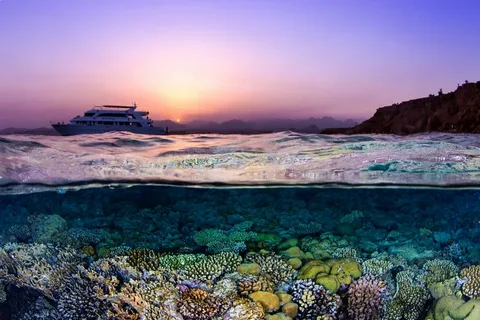
Red Sea Coral Reefs Tour: Your Ultimate Guide
A Red Sea coral reefs tour offers an unparalleled opportunity to witness the breathtaking beauty and vibrant marine life of one of the world’s most biodiverse ecosystems. From snorkeling and diving to glass-bottom boat excursions, these tours provide unforgettable experiences for nature enthusiasts and adventure seekers alike. Discover the wonders beneath the surface and create memories that will last a lifetime.
Understanding the Red Sea Coral Reef Ecosystem
The Red Sea is renowned for its exceptional coral reefs, which are among the most resilient and diverse in the world. These reefs thrive in the warm, clear waters of the Red Sea, supporting a vast array of marine species.
Understanding the intricacies of this ecosystem is crucial for appreciating the significance of a Red Sea coral reefs tour. The health and vitality of these reefs are essential not only for marine biodiversity but also for the livelihoods of local communities that depend on tourism and fisheries.
The Formation and Structure of Coral Reefs
Coral reefs are formed by colonies of tiny animals called coral polyps, which secrete calcium carbonate to create a hard, protective skeleton. Over thousands of years, these skeletons accumulate to form the complex structures we know as coral reefs. The Red Sea’s unique geological history and environmental conditions have fostered the growth of particularly robust and diverse coral formations.
- Fringing Reefs: These reefs grow close to the shoreline, often forming a shallow platform along the coast.
- Barrier Reefs: Separated from the mainland by a lagoon, barrier reefs are larger and more complex than fringing reefs.
- Atolls: Ring-shaped reefs that encircle a lagoon, often formed around submerged volcanoes.
The Red Sea primarily features fringing reefs, which are easily accessible and offer excellent opportunities for snorkeling and diving. These reefs provide habitat for countless species of fish, invertebrates, and marine plants.
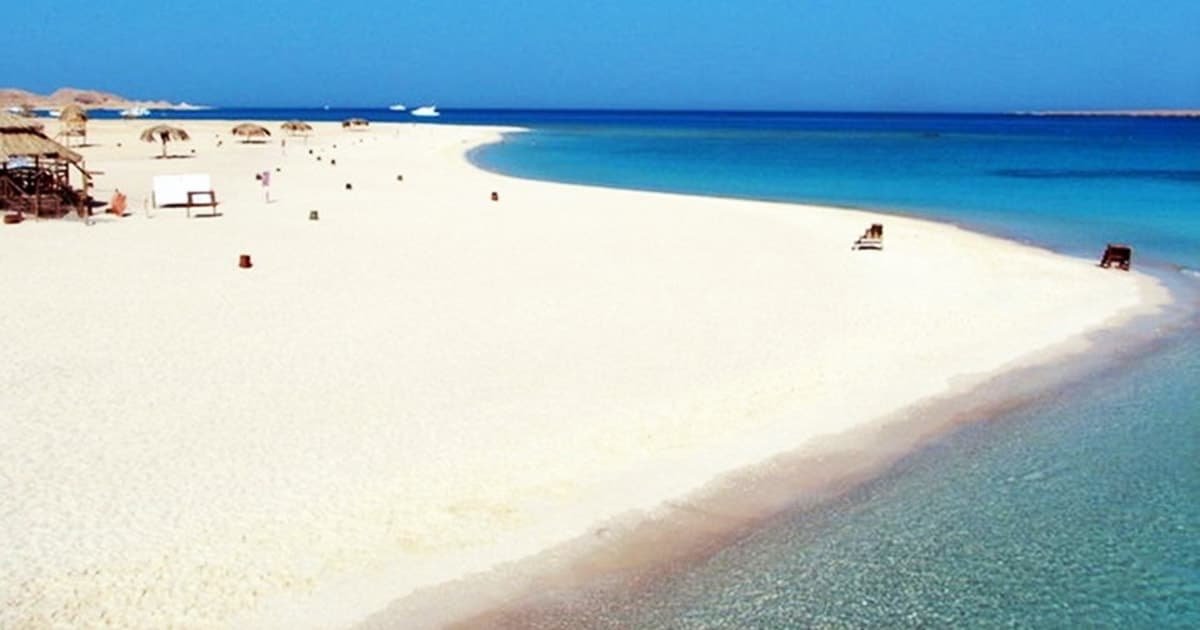
Biodiversity of the Red Sea Coral Reefs
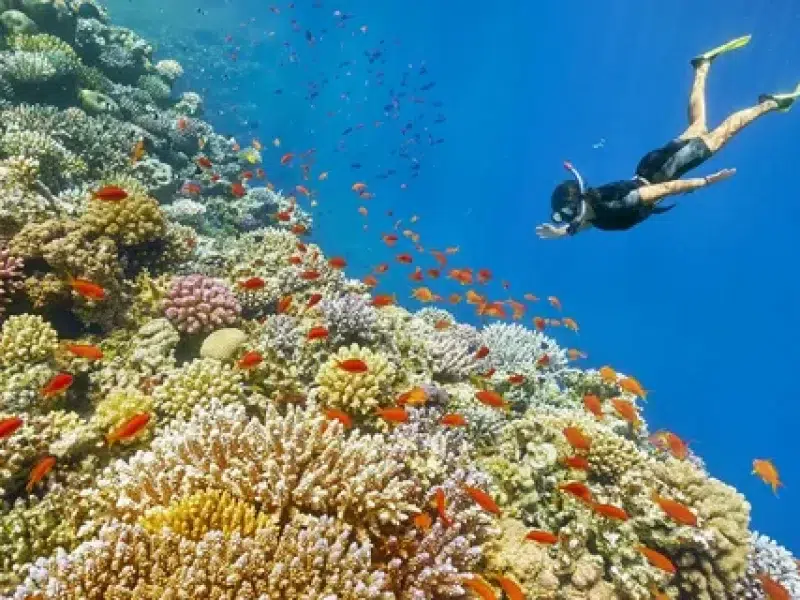
The Red Sea’s coral reefs are home to an astonishing variety of marine life. From colorful reef fish and graceful sea turtles to intricate invertebrates and elusive marine mammals, the biodiversity of this ecosystem is truly remarkable. Exploring these reefs on a Red Sea coral reefs tour provides a firsthand look at this underwater wonderland.
- Reef Fish: The Red Sea is home to hundreds of species of reef fish, including angelfish, butterflyfish, clownfish, and parrotfish.
- Invertebrates: Coral reefs teem with invertebrates such as sea stars, sea urchins, crabs, shrimps, and nudibranchs.
- Sea Turtles: Green sea turtles and hawksbill sea turtles are commonly found in the Red Sea, often seen grazing on seagrass beds or resting among the coral.
The intricate relationships between these species contribute to the overall health and resilience of the coral reef ecosystem. A Red Sea coral reefs tour offers the chance to witness these interactions and learn about the ecological importance of each species.
Threats to the Red Sea Coral Reefs
Despite their resilience, the Red Sea’s coral reefs face numerous threats, including climate change, pollution, and overfishing. Rising sea temperatures can cause coral bleaching, a phenomenon in which corals expel the algae that live within their tissues, leading to their eventual death. Pollution from coastal development and agricultural runoff can also harm coral reefs by introducing excess nutrients and sediment into the water. Overfishing can disrupt the delicate balance of the marine food web, impacting the health of the entire ecosystem.
Sustainable tourism practices are essential for mitigating these threats and ensuring the long-term health of the Red Sea’s coral reefs. By choosing eco-friendly tour operators and following responsible diving and snorkeling guidelines, visitors can help protect these precious ecosystems for future generations.
Planning Your Red Sea Coral Reefs Tour
Planning a Red Sea coral reefs tour requires careful consideration of several factors, including the best time to visit, choosing the right tour operator, and budgeting for your trip. A well-planned tour ensures a safe, enjoyable, and unforgettable experience.
Consider your priorities and preferences when planning your Red Sea coral reefs tour. Are you primarily interested in diving, snorkeling, or simply relaxing on the beach? Do you prefer a guided tour or independent exploration? Answering these questions will help you tailor your trip to your specific interests.
Best Time to Visit the Red Sea
The best time to visit the Red Sea for a coral reefs tour is generally during the shoulder seasons, which are spring (March to May) and autumn (September to November). During these months, the weather is pleasant, with warm temperatures and lower humidity. The water is also clear and calm, providing excellent visibility for diving and snorkeling. Summer (June to August) can be very hot, with temperatures often exceeding 40°C (104°F), while winter (December to February) can be cooler, with occasional strong winds.
- Spring (March to May): Warm temperatures, clear water, and excellent visibility.
- Summer (June to August): Hot and humid, but still good for diving and snorkeling.
- Autumn (September to November): Similar to spring, with pleasant weather and clear water.
Consider the specific activities you plan to participate in when choosing the best time to visit. For example, if you are primarily interested in diving, you may want to avoid the summer months, when the water can be too warm for comfortable diving. If you are primarily interested in snorkeling, the shoulder seasons offer the best conditions.
Choosing the Right Tour Operator
Selecting a reputable and experienced tour operator is crucial for a successful Red Sea coral reefs tour. Look for operators that prioritize safety, environmental sustainability, and customer satisfaction. Check online reviews and ask for recommendations from other travelers. Consider the following factors when choosing a tour operator:
- Safety Record: Ensure the operator has a strong safety record and adheres to international safety standards.
- Environmental Practices: Choose operators that promote responsible tourism and minimize their impact on the environment.
- Experience and Expertise: Look for operators with experienced guides and knowledgeable staff who can provide valuable insights into the Red Sea’s coral reef ecosystem.
It’s also important to inquire about the tour operator’s cancellation policy and insurance coverage. Make sure you understand the terms and conditions before booking your tour. A reliable tour operator will provide clear and transparent information about their services and policies.
Budgeting for Your Trip
The cost of a Red Sea coral reefs tour can vary depending on several factors, including the destination, the type of accommodation, the activities you choose, and the time of year. It’s important to create a budget that takes into account all of these expenses. Consider the following costs when planning your budget:
- Flights: Round-trip airfare to your chosen destination.
- Accommodation: Hotel, resort, or liveaboard accommodation.
- Tour Costs: Fees for guided tours, diving excursions, and snorkeling trips.
In addition, remember to factor in expenses such as meals, drinks, transportation, and souvenirs. It’s always a good idea to have a contingency fund for unexpected expenses. Booking your flights and accommodation in advance can often help you save money. Also, consider traveling during the shoulder seasons, when prices are generally lower.
Top Destinations for Red Sea Coral Reefs Tour
The Red Sea boasts numerous stunning destinations for coral reefs tours, each offering unique experiences and attractions. From the vibrant reefs of Hurghada to the pristine waters of Marsa Alam, there’s a destination to suit every taste and preference.
Consider your interests and priorities when choosing a destination for your Red Sea coral reefs tour. Are you looking for a bustling resort town with plenty of amenities, or a more secluded and tranquil escape? Do you prefer easy access to dive sites, or are you willing to travel further for a more remote experience?
Hurghada: A Popular Choice
Hurghada is one of the most popular destinations for Red Sea coral reefs tours, offering a wide range of activities and attractions. The city is known for its vibrant nightlife, luxurious resorts, and easy access to numerous dive sites and snorkeling spots. Hurghada is a great choice for both beginners and experienced divers, with a variety of dive sites to suit all skill levels. You can even check out sea scope hurghada red sea reefs tour.
- Giftun Island: A popular destination for snorkeling and diving, with crystal-clear waters and abundant marine life.
- Abu Ramada: A renowned dive site with stunning coral formations and diverse fish species.
- El Mina Wreck: A fascinating shipwreck dive site that attracts divers from around the world.
Hurghada also offers a variety of other activities, such as windsurfing, kitesurfing, and desert safaris. The city is well-equipped with modern amenities and facilities, making it a comfortable and convenient destination for travelers.
Sharm El Sheikh: Diving Paradise
Sharm El Sheikh is another popular destination for Red Sea coral reefs tours, particularly known for its world-class diving. The city is located at the southern tip of the Sinai Peninsula, offering easy access to some of the Red Sea’s most famous dive sites. Sharm El Sheikh is a great choice for experienced divers looking for challenging and rewarding dives.
- Ras Mohammed National Park: A protected area with stunning coral reefs and diverse marine life.
- Thistlegorm Wreck: A legendary shipwreck dive site that attracts divers from around the world.
- Strait of Tiran: A narrow waterway with strong currents and abundant marine life.
Sharm El Sheikh also offers a variety of other activities, such as snorkeling, windsurfing, and desert excursions. The city is known for its luxurious resorts and vibrant nightlife.
Marsa Alam: Untouched Beauty
Marsa Alam is a more remote and tranquil destination for Red Sea coral reefs tours, offering pristine waters and untouched coral reefs. The city is located further south than Hurghada and Sharm El Sheikh, offering a more secluded and peaceful experience. Marsa Alam is a great choice for those seeking a more authentic and less crowded Red Sea experience. You may also want to book diving tour hurghada red sea.
- Elphinstone Reef: A legendary dive site with strong currents and abundant marine life, including sharks and manta rays.
- Dolphin House: A popular snorkeling spot where you can swim with dolphins in their natural habitat.
- Abu Dabbab: A beautiful bay with seagrass beds and coral reefs, home to sea turtles and dugongs.
Marsa Alam is also a great base for exploring the surrounding desert, with opportunities for camel trekking and stargazing. The city is known for its eco-friendly resorts and sustainable tourism practices.
Activities to Enjoy on a Red Sea Coral Reefs Tour
A Red Sea coral reefs tour offers a wide range of activities to suit all interests and skill levels. From snorkeling and diving to glass-bottom boat excursions and underwater photography, there’s something for everyone to enjoy. Choose activities that align with your interests and physical abilities to create a memorable and rewarding experience.
Consider the specific goals of your Red Sea coral reefs tour when choosing activities. Are you primarily interested in observing marine life, exploring underwater landscapes, or learning about coral reef ecology? Answering these questions will help you select the activities that best meet your needs.
Snorkeling: A Beginner-Friendly Option
Snorkeling is a popular and accessible activity for exploring the Red Sea’s coral reefs. It requires minimal equipment and training, making it a great option for beginners and families with children. Snorkeling allows you to observe the vibrant marine life and colorful coral formations from the surface of the water. Many tours also include a visit to dolphin house red sea snorkeling experience.
- Equipment: Mask, snorkel, and fins.
- Technique: Floating on the surface and breathing through the snorkel.
- Safety: Always snorkel with a buddy and be aware of your surroundings.
Snorkeling is a great way to get a taste of the Red Sea’s underwater world without the need for specialized equipment or training. It’s a fun and easy activity that can be enjoyed by people of all ages and abilities.
Diving: An Immersive Experience
Diving offers a more immersive and adventurous way to explore the Red Sea’s coral reefs. It requires specialized equipment and training, but it allows you to get up close and personal with the marine life and explore the deeper parts of the reef. Diving is a great option for experienced swimmers and those seeking a more challenging and rewarding experience. You can also book advanced diving hurghada red sea reefs.
- Equipment: Scuba gear, including a regulator, buoyancy compensator, and dive computer.
- Training: Certified divers must complete a scuba diving course and obtain a certification card.
- Safety: Always dive with a buddy and follow the instructions of your dive guide.
Diving is an unforgettable experience that allows you to witness the Red Sea’s underwater world in all its glory. It’s a challenging but rewarding activity that can open up a whole new world of exploration.
Glass-Bottom Boat Tours: A Relaxing Alternative
Glass-bottom boat tours offer a relaxing and convenient way to observe the Red Sea’s coral reefs without getting wet. These tours are a great option for those who are unable to snorkel or dive, or who simply prefer a more leisurely experience. Glass-bottom boat tours allow you to view the marine life and coral formations from the comfort of a boat with a transparent bottom.
- Convenience: No need to swim or wear specialized equipment.
- Accessibility: Suitable for people of all ages and abilities.
- Comfort: Relax and enjoy the views from the comfort of a boat.
Glass-bottom boat tours are a great way to experience the Red Sea’s underwater world without the need for physical exertion. They’re a fun and informative activity that can be enjoyed by the whole family.
Essential Gear and Preparation for Your Tour
Proper gear and preparation are essential for a safe and enjoyable Red Sea coral reefs tour. From sunscreen and swimwear to diving equipment and first-aid supplies, packing the right items can make a big difference in your overall experience. Prepare for the environmental conditions and activities you plan to participate in to ensure a comfortable and worry-free trip.
Consider the specific requirements of your chosen activities when preparing for your Red Sea coral reefs tour. Do you need specialized diving equipment, or will the tour operator provide it? Are there any specific clothing or footwear requirements for certain excursions? Answering these questions will help you pack appropriately.
Sun Protection: A Must-Have
The Red Sea region is known for its intense sun, so it’s essential to protect your skin from sunburn and sun damage. Pack plenty of sunscreen with a high SPF, as well as a wide-brimmed hat and sunglasses. Apply sunscreen liberally and frequently, especially after swimming or sweating. Seek shade during the hottest part of the day and avoid prolonged exposure to the sun.
- Sunscreen: Choose a broad-spectrum sunscreen with an SPF of 30 or higher.
- Hat: Wear a wide-brimmed hat to protect your face and neck.
- Sunglasses: Choose sunglasses that block 100% of UVA and UVB rays.
Sun protection is crucial for preventing sunburn and reducing the risk of skin cancer. Make it a priority to protect your skin from the sun’s harmful rays throughout your Red Sea coral reefs tour.
Swimwear and Water Shoes: Comfort and Protection
Pack comfortable swimwear that is suitable for swimming, snorkeling, and diving. Choose quick-drying fabrics that will keep you comfortable both in and out of the water. Water shoes are also essential for protecting your feet from sharp rocks and coral. Look for water shoes with a sturdy sole and good traction.
- Swimwear: Choose comfortable and quick-drying swimwear.
- Water Shoes: Protect your feet from sharp rocks and coral.
- Rash Guard: Provides additional sun protection and prevents chafing.
Comfortable swimwear and water shoes will enhance your enjoyment of the Red Sea’s aquatic activities. Choose items that fit well and provide adequate protection.
Diving Equipment: Rent or Bring Your Own?
If you plan to go diving on your Red Sea coral reefs tour, you’ll need to either rent diving equipment or bring your own. Renting equipment is a convenient option for those who don’t dive frequently, while bringing your own equipment allows you to ensure a comfortable and familiar fit. If you choose to rent equipment, make sure it is well-maintained and in good working order. If you choose to bring your own equipment, make sure it is properly serviced and packed securely.
- Rental Equipment: Convenient for occasional divers.
- Personal Equipment: Ensures a comfortable and familiar fit.
- Maintenance: Ensure equipment is well-maintained and in good working order.
Whether you rent or bring your own diving equipment, make sure it is appropriate for the type of diving you plan to do. Consult with your dive guide or tour operator for recommendations.
Common Misconceptions About Red Sea Coral Reefs
There are several common misconceptions about Red Sea coral reefs that can lead to misunderstandings and potentially harmful behaviors. Addressing these misconceptions is crucial for promoting responsible tourism and protecting these fragile ecosystems. Understanding the truth about coral reefs can help visitors appreciate their importance and make informed decisions during their Red Sea coral reefs tour.
Many people hold inaccurate beliefs about coral reefs, often based on incomplete information or sensationalized media reports. Clarifying these misconceptions can help foster a more accurate understanding of the challenges facing coral reefs and the actions that can be taken to protect them.
Misconception 1: Coral is a Plant
One of the most common misconceptions about coral reefs is that coral is a plant. In reality, coral is an animal, specifically a colony of tiny animals called coral polyps. These polyps secrete calcium carbonate to create a hard, protective skeleton, which forms the structure of the coral reef. The vibrant colors of coral reefs are due to algae that live within the coral tissues, providing the coral with food through photosynthesis.
Understanding that coral is an animal is crucial for appreciating its vulnerability and the importance of protecting it from harm. Treating coral with respect and avoiding physical contact can help ensure its survival.
Misconception 2: Coral Reefs are Invincible
Another common misconception is that coral reefs are invincible and can withstand any amount of stress. While coral reefs are resilient ecosystems, they are also highly sensitive to environmental changes. Rising sea temperatures, pollution, and overfishing can all have devastating effects on coral reefs. Coral bleaching, a phenomenon in which corals expel the algae that live within their tissues, is a major threat to coral reefs worldwide. Once corals bleach, they become more susceptible to disease and death.
Recognizing the vulnerability of coral reefs is essential for promoting sustainable tourism practices and supporting conservation efforts. By minimizing our impact on the environment and choosing eco-friendly tour operators, we can help protect coral reefs for future generations.
Misconception 3: Touching Coral is Harmless
Many people believe that touching coral is harmless, but this is not the case. Touching coral can damage the delicate polyps and disrupt the protective mucus layer that protects them from disease. The oils and bacteria on our skin can also harm coral. In some cases, touching coral can even be dangerous to humans, as some species of coral have stinging cells that can cause painful reactions.
Avoiding physical contact with coral is crucial for protecting it from harm. Maintain a safe distance from coral reefs while snorkeling or diving and refrain from touching or breaking off pieces of coral.
Frequently asked questions about Red Sea coral reefs tour
What is the best time of year for a Red Sea coral reefs tour?
The best time to visit the Red Sea for a coral reefs tour is typically during the spring (March to May) and autumn (September to November) months. The weather is pleasant, and the water visibility is excellent for snorkeling and diving.
What should I pack for a Red Sea coral reefs tour?
Essential items to pack include sunscreen, swimwear, a hat, sunglasses, water shoes, and a rash guard for sun protection. If you plan to dive, consider bringing your own equipment or renting it from a reputable dive shop.
Are Red Sea coral reefs tours suitable for beginners?
Yes, many Red Sea coral reefs tours offer options for beginners, such as snorkeling and glass-bottom boat excursions. These activities require minimal experience and allow you to enjoy the beauty of the coral reefs without specialized training.
What are some popular destinations for Red Sea coral reefs tours?
Popular destinations include Hurghada, Sharm El Sheikh, and Marsa Alam. Each destination offers unique dive sites, snorkeling spots, and other attractions to suit different interests and skill levels.
How can I protect the coral reefs during my tour?
To protect the coral reefs, avoid touching or breaking off pieces of coral, use reef-safe sunscreen, and choose tour operators that promote sustainable tourism practices. Be mindful of your impact on the environment and follow the guidelines provided by your tour guide.
What marine life can I expect to see on a Red Sea coral reefs tour?
You can expect to see a variety of marine life, including colorful reef fish, sea turtles, dolphins, and various species of coral. The Red Sea is known for its rich biodiversity and vibrant underwater ecosystems.
Are there any health precautions I should take before going on a Red Sea coral reefs tour?
Consult with your doctor regarding necessary vaccinations and health precautions for traveling to the Red Sea region. Stay hydrated, wear sunscreen, and be aware of potential hazards such as jellyfish and sunburn.
What is the average cost of a Red Sea coral reefs tour?
The cost of a Red Sea coral reefs tour can vary depending on the duration, destination, and activities included. Budget-friendly options may start around $50 per day, while luxury tours can cost several hundred dollars per day.
Ready to Experience This in Person?
Book the official Red Sea Coral Reef Snorkeling Tour with Lunch with Hurghada Sun Seekers. Enjoy guaranteed best local prices, hotel transfers, and flexible free cancellation.
Conclusion
A Red Sea coral reefs tour offers an unforgettable opportunity to explore one of the world’s most stunning underwater ecosystems. From vibrant coral formations to diverse marine life, the Red Sea is a true paradise for nature enthusiasts and adventure seekers.
Plan your Red Sea coral reefs tour today and discover the beauty and wonder that awaits beneath the surface. Explore red sea private tours egypt for a more personalized experience.
For broader travel context while planning your Red Sea holiday, you can also visit the official Egypt tourism guide.
Comment (0)