

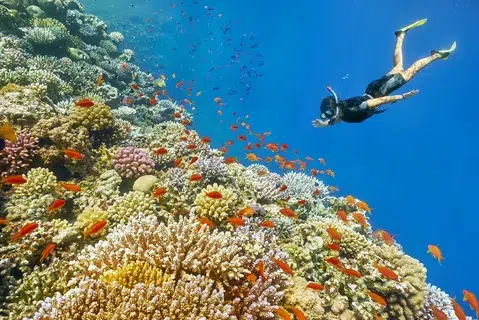
Private Red Sea Snorkeling Tour: 7 Best Essential Tips
A Private Red Sea snorkeling tour offers an unparalleled opportunity to explore the vibrant underwater world at your own pace and with personalized attention. Imagine gliding through crystal-clear waters, encountering colorful coral reefs, and swimming alongside diverse marine life, all while enjoying the exclusivity and comfort of a private excursion. This guide provides essential tips to ensure your private snorkeling tour in the Red Sea is the best possible experience.
Understanding the Appeal of a Private Red Sea Snorkeling Tour
A private snorkeling tour in the Red Sea transcends the typical group excursion, offering a bespoke experience tailored to your preferences and skill level. It’s about more than just seeing fish; it’s about immersing yourself in the marine environment with unparalleled freedom and flexibility.
The allure of a private tour lies in the personalized attention, allowing you to explore the Red Sea’s wonders at your own pace. Whether you’re a seasoned snorkeler or a first-timer, a private tour ensures that your needs are met and your experience is maximized.

Benefits of a Private Snorkeling Experience
Opting for a private tour unlocks a range of advantages that enhance your snorkeling adventure. From customized itineraries to dedicated instruction, the benefits are numerous.
- Personalized Itinerary: Tailor your tour to specific interests, whether it’s exploring specific reefs, seeking out particular marine species, or spending more time in your favorite spots.
- Individualized Instruction: Receive one-on-one guidance from experienced instructors, perfect for beginners or those looking to improve their snorkeling skills.
- Flexibility and Freedom: Enjoy the freedom to adjust your schedule, linger at captivating sites, and avoid the constraints of a fixed group itinerary.
- Privacy and Exclusivity: Escape the crowds and immerse yourself in the tranquility of the Red Sea with your chosen companions.
- Enhanced Safety: Benefit from the undivided attention of your guides, ensuring a safer and more secure snorkeling experience.
The mini-takeaway here is that a private tour offers a level of control and customization that simply isn’t possible with a group excursion, resulting in a more rewarding and memorable experience.
Comparing Private vs. Group Snorkeling Tours
While group tours offer a more budget-friendly option, they often lack the personalized touch and flexibility of a private tour. Understanding the key differences can help you make an informed decision.
- Group Size: Group tours typically involve larger numbers of participants, potentially leading to crowded conditions and limited individual attention.
- Itinerary: Group tours follow a pre-determined route, with little room for deviation or customization.
- Pace: Group tours operate at a set pace, which may not suit all participants, particularly those with varying fitness levels or snorkeling experience.
- Cost: Private tours are generally more expensive than group tours, reflecting the higher level of service and exclusivity.
- Overall Experience: Private tours offer a more intimate and immersive experience, allowing you to connect with the Red Sea’s marine environment on a deeper level.
Ultimately, the choice between a private and group tour depends on your priorities and budget. If you value personalized attention, flexibility, and a more exclusive experience, a private tour is well worth the investment. For example, families with young children or individuals with specific physical needs often find that the individualized attention of a private tour makes the experience far more enjoyable and manageable. Furthermore, avid photographers or marine enthusiasts may prefer the freedom to spend more time capturing images or observing specific species without the time constraints of a group.
Choosing the Right Private Snorkeling Tour Operator
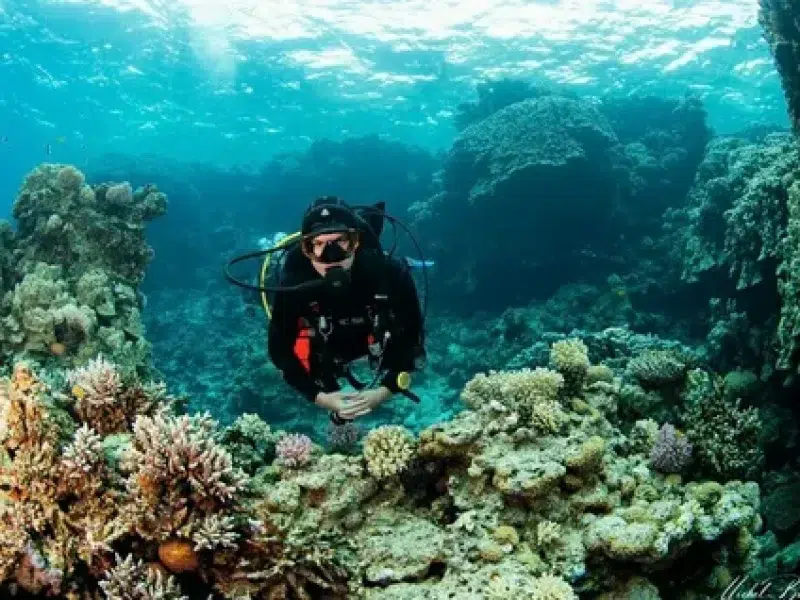
Selecting a reputable and experienced tour operator is crucial for ensuring a safe, enjoyable, and memorable private Red Sea snorkeling tour. Not all operators are created equal, and careful research is essential.
Look for operators with a proven track record of providing high-quality service, prioritizing safety, and demonstrating a commitment to marine conservation. Client reviews and testimonials can offer valuable insights into the operator’s reputation and performance.
Key Factors to Consider When Choosing an Operator
Several factors should influence your choice of a private snorkeling tour operator. Evaluate these aspects carefully to make an informed decision.
- Experience and Reputation: Choose an operator with years of experience in the Red Sea and a strong reputation for safety and customer satisfaction.
- Certifications and Accreditation: Look for operators that are certified by reputable organizations, such as PADI or SSI, indicating adherence to industry standards.
- Equipment Quality: Ensure that the operator provides well-maintained, high-quality snorkeling equipment, including masks, snorkels, fins, and life vests.
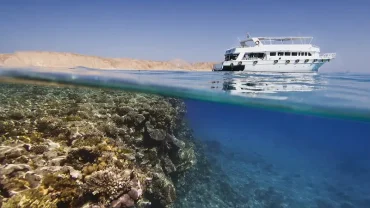
- Boat Condition and Safety: Inspect the boat to ensure it is in good condition and equipped with essential safety equipment, such as life rafts, first aid kits, and communication devices.
- Guide Expertise: Verify that the guides are experienced, knowledgeable about the local marine environment, and trained in first aid and emergency procedures.
- Customization Options: Inquire about the operator’s ability to customize the tour to your specific interests and preferences.
- Environmental Responsibility: Choose an operator that demonstrates a commitment to sustainable tourism practices and marine conservation.
For instance, an operator that actively participates in reef cleanup initiatives or educates its clients about responsible snorkeling practices is a strong indicator of their commitment to preserving the Red Sea’s delicate ecosystem. Another example is an operator that uses eco-friendly sunscreen on board and encourages its clients to do the same, minimizing the impact of harmful chemicals on the coral reefs.
Questions to Ask Before Booking
Before finalizing your booking, ask the tour operator specific questions to clarify details and ensure your needs are met. Don’t hesitate to inquire about any concerns you may have.
- What is included in the tour price? Clarify what is covered, such as equipment rental, meals, drinks, transportation, and park entrance fees.
- What is the maximum group size? Even on a private tour, there may be a limit to the number of participants allowed.
- What is the cancellation policy? Understand the terms and conditions in case you need to cancel or reschedule your tour.
- What safety measures are in place? Inquire about the operator’s safety protocols, including emergency procedures and communication systems.
- What is the guide-to-guest ratio? Ensure that there are enough guides to provide adequate supervision and assistance.
- What is the operator’s environmental policy? Learn about their commitment to sustainable tourism and marine conservation.
By asking these questions, you can gain a better understanding of the operator’s capabilities and ensure that your private snorkeling tour aligns with your expectations. For example, if you have dietary restrictions, it’s essential to confirm that the operator can accommodate your needs. Similarly, if you’re concerned about seasickness, inquire about the boat’s stability and the availability of motion sickness remedies.
Essential Gear and Preparation for Your Snorkeling Adventure
Proper gear and preparation are essential for a safe and enjoyable snorkeling experience. Ensure you have the right equipment and take necessary precautions before entering the water.
While most tour operators provide basic snorkeling gear, consider bringing your own if you prefer a customized fit or have specific requirements. Familiarize yourself with the equipment and practice using it before your tour.
Must-Have Snorkeling Gear
Having the right gear can significantly enhance your snorkeling experience. Ensure you have these essential items:
- Mask: Choose a mask that fits snugly and creates a watertight seal around your face.
- Snorkel: Select a snorkel with a comfortable mouthpiece and a purge valve for easy water clearing.
- Fins: Opt for fins that provide adequate propulsion and are comfortable to wear.
- Life Vest or Buoyancy Aid: Wear a life vest or buoyancy aid, especially if you’re a beginner or not a strong swimmer.
- Rash Guard or Wetsuit: Protect your skin from the sun and potential stings with a rash guard or wetsuit.
- Water Shoes or Booties: Protect your feet from sharp rocks and coral with water shoes or booties.
- Sunscreen: Apply waterproof, reef-safe sunscreen liberally to all exposed skin.
- Hat and Sunglasses: Shield your face and eyes from the sun with a hat and sunglasses.
Furthermore, consider bringing a waterproof camera to capture your underwater adventures. A dry bag is also useful for protecting your valuables from water damage. If you wear prescription glasses, consider purchasing a prescription snorkeling mask for clear vision underwater.
Pre-Snorkeling Checklist
Before embarking on your snorkeling adventure, run through this checklist to ensure you’re fully prepared:
- Check the Weather and Water Conditions: Ensure that the weather is favorable and the water is calm and clear.
- Inform Someone of Your Plans: Let someone know where you’re going and when you expect to return.
- Hydrate Properly: Drink plenty of water to stay hydrated, especially in the hot sun.
- Apply Sunscreen: Apply sunscreen liberally to all exposed skin, even on cloudy days.
- Adjust Your Gear: Ensure that your mask, snorkel, and fins fit properly and are comfortable to wear.
- Practice in Shallow Water: Get comfortable using your gear in shallow water before venturing into deeper areas.
- Buddy Up: Snorkel with a buddy for added safety and assistance.
For instance, if you’re prone to seasickness, take motion sickness medication before the tour. If you have any medical conditions, inform your guide and carry any necessary medications with you. By taking these precautions, you can minimize potential risks and ensure a smooth and enjoyable snorkeling experience. Also, remember to check the local regulations regarding marine protected areas and any restrictions on touching or collecting marine life.
Navigating the Best Snorkeling Spots in the Red Sea
The Red Sea boasts a plethora of stunning snorkeling locations, each offering unique marine ecosystems and underwater landscapes. Knowing where to go can significantly enhance your experience.
Consider your skill level, interests, and the type of marine life you hope to encounter when choosing your snorkeling spots. Your tour operator can provide valuable recommendations based on your preferences.
Top Snorkeling Destinations in the Red Sea
Explore some of the most renowned snorkeling destinations in the Red Sea:
- Ras Mohammed National Park (Egypt): Renowned for its vibrant coral reefs, diverse marine life, and crystal-clear waters.
- Tiran Island (Egypt): Home to four stunning reefs (Jackson, Woodhouse, Thomas, and Gordon), each teeming with colorful fish and coral.
- Blue Hole (Egypt): A challenging but rewarding dive site with a stunning underwater arch. (Snorkeling is possible in the surrounding areas).
- Sharm El Sheikh (Egypt): Offers numerous snorkeling spots with easy access from the shore or by boat.
- Hurghada (Egypt): A popular destination with a variety of snorkeling sites suitable for all skill levels. Explore private tours in Hurghada.
- Marsa Alam (Egypt): Known for its pristine reefs, dugongs, and sea turtles.
- Eilat (Israel): Offers a unique snorkeling experience with a variety of coral reefs and marine life.
- Aqaba (Jordan): Home to a diverse range of coral reefs and marine species, including sea turtles and dolphins.
For example, Ras Mohammed National Park is a must-visit for its sheer abundance of marine life. Tiran Island offers a variety of reef formations and snorkeling experiences. Marsa Alam is ideal for those seeking a more secluded and pristine environment. If you’re interested in dolphin encounters, consider a tour to Dolphin House near Hurghada.
Understanding Reef Etiquette
Protecting the Red Sea’s fragile coral reefs is crucial for preserving its biodiversity. Follow these guidelines to minimize your impact:
- Avoid Touching Coral: Coral is extremely delicate and can be easily damaged by human contact.
- Don’t Stand on Coral: Standing on coral can crush it and disrupt its growth.
- Don’t Collect Souvenirs: Leave shells, coral, and other marine life where you find them.
- Use Reef-Safe Sunscreen: Choose sunscreen that is free of harmful chemicals that can damage coral reefs.
- Be Mindful of Your Fins: Avoid kicking up sediment or stirring up the water, which can harm coral and reduce visibility.
- Respect Marine Life: Observe marine life from a distance and avoid feeding or harassing animals.
- Report Damage: If you see any damage to the reef, report it to your tour operator or local authorities.
By adhering to these guidelines, you can help ensure that the Red Sea’s coral reefs remain healthy and vibrant for future generations. For instance, educating yourself about the specific types of coral found in the area and their importance to the ecosystem can further enhance your appreciation and respect for the marine environment. Similarly, supporting local conservation efforts and choosing tour operators that prioritize sustainability can contribute to the long-term health of the Red Sea.
Maximizing Your Snorkeling Experience: Tips and Techniques
Enhance your snorkeling skills and enjoyment with these practical tips and techniques. From mastering buoyancy to identifying marine life, these insights can elevate your underwater adventure.
Practice these techniques in a pool or shallow water before your tour to build confidence and familiarity. Your guide can provide additional instruction and personalized feedback.
Essential Snorkeling Techniques
Master these fundamental snorkeling techniques to navigate the underwater world with ease:
- Mask Clearing: Learn how to clear water from your mask by pressing on the top and exhaling through your nose.
- Snorkel Clearing: Practice clearing water from your snorkel by forcefully exhaling.
- Equalizing Ear Pressure: Equalize the pressure in your ears by pinching your nose and gently blowing.
- Buoyancy Control: Use your breath to control your buoyancy and maintain a comfortable depth.
- Finning Technique: Use long, slow kicks to propel yourself through the water efficiently.
- Breathing Technique: Breathe slowly and deeply through your snorkel to conserve energy and prevent hyperventilation.
For example, mastering mask clearing is essential for maintaining clear vision underwater. Practicing snorkel clearing ensures that you can quickly remove any water that enters your snorkel. Equalizing ear pressure is crucial for preventing discomfort or injury when diving deeper. By mastering these techniques, you can focus on enjoying the underwater scenery without being distracted by discomfort or technical difficulties.
Tips for Spotting Marine Life
Increase your chances of encountering fascinating marine creatures with these spotting tips:
- Look for Movement: Pay attention to any movement in the water, as this can indicate the presence of fish or other marine life.
- Observe Coral Formations: Coral formations often provide shelter for various marine species.
- Check Sandy Bottoms: Sandy bottoms can be home to stingrays, sand dollars, and other bottom-dwelling creatures.
- Look Upward: Don’t forget to look upward, as schools of fish or even dolphins may swim overhead.
- Be Patient: Marine life may be shy or camouflaged, so be patient and take your time.
- Listen to Your Guide: Your guide can point out specific species and provide valuable insights into their behavior.
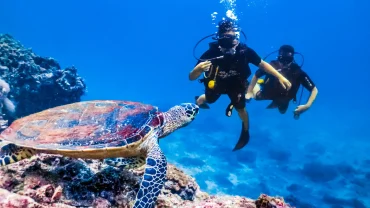
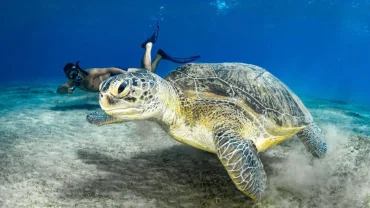
Furthermore, consider bringing a marine life identification guide to help you identify the species you encounter. A waterproof flashlight can also be useful for exploring caves and crevices. Remember to respect marine life and avoid disturbing their natural habitat. For instance, if you spot a sea turtle, observe it from a distance and avoid approaching it too closely. Similarly, if you encounter a school of fish, avoid swimming directly through it, as this can disrupt their behavior.
Addressing Common Misconceptions and Risks
Addressing common misconceptions and understanding potential risks are crucial for a safe and responsible snorkeling experience. Be aware of these factors to make informed decisions.
Many people underestimate the power of the sun and the importance of sun protection, even on cloudy days. Others may overestimate their swimming abilities or underestimate the potential dangers of strong currents or marine life encounters.
Debunking Snorkeling Myths
Clarify these common misconceptions about snorkeling:
- Myth: Snorkeling is Easy and Requires No Skill. While snorkeling is relatively easy to learn, it requires basic swimming skills and familiarity with the equipment.
- Myth: You Can’t Get Sunburned While Snorkeling. The sun’s rays can penetrate the water, and you can easily get sunburned while snorkeling, even on cloudy days.
- Myth: All Marine Life is Friendly. Some marine life can be dangerous, such as jellyfish, stingrays, and sharks.
- Myth: You Can Touch or Collect Marine Life. Touching or collecting marine life is harmful to the ecosystem and is often illegal.
- Myth: Snorkeling is Only for Experienced Swimmers. While strong swimming skills are beneficial, beginners can enjoy snorkeling with proper instruction and buoyancy aids.
For instance, many people believe that they don’t need to wear sunscreen while snorkeling because they’re underwater. However, the sun’s rays can penetrate the water and cause sunburn, especially on exposed areas like the back of the neck and shoulders. Similarly, some people believe that all marine life is harmless and that they can touch or interact with any creature they encounter. However, some marine species can be venomous or have sharp spines, and it’s important to observe them from a safe distance.
Potential Risks and Safety Precautions
Be aware of these potential risks and take necessary safety precautions:
- Sunburn: Apply sunscreen liberally and wear protective clothing.
- Dehydration: Drink plenty of water to stay hydrated.
- Seasickness: Take motion sickness medication if you’re prone to seasickness.
- Marine Stings: Avoid touching or disturbing marine life, and wear a rash guard or wetsuit for protection.
- Strong Currents: Be aware of strong currents and avoid snorkeling in areas with dangerous conditions.
- Equipment Malfunctions: Check your equipment before entering the water and ensure it’s in good working order.
- Panic: Stay calm and signal for help if you experience panic or difficulty breathing.
Furthermore, consider taking a snorkeling safety course to learn about potential hazards and emergency procedures. Always snorkel with a buddy and stay within sight of your boat or shore. If you have any medical conditions, inform your guide and carry any necessary medications with you. For example, if you have a history of allergic reactions, carry an epinephrine auto-injector (EpiPen) in case of a marine sting. Similarly, if you have asthma, carry your inhaler with you and inform your guide of your condition. Finally, always listen to your guide’s instructions and follow their advice regarding safety precautions.
Frequently asked questions about Private Red Sea snorkeling tour
What is included in a Private Red Sea snorkeling tour?
A private snorkeling tour typically includes a private boat, experienced guides, snorkeling equipment (mask, snorkel, fins), life vests, refreshments, and sometimes lunch. Some tours may also include transportation to and from your hotel. Check out this private tour option.
How long does a typical Private Red Sea snorkeling tour last?
The duration of a private snorkeling tour can vary, but most tours last between 4 to 8 hours, depending on the itinerary and the number of snorkeling sites visited. Full-day tours often include lunch and more extensive exploration.
What is the best time of year to go on a Private Red Sea snorkeling tour?
The Red Sea offers excellent snorkeling conditions year-round, but the best time to visit is generally from April to June and September to November, when the weather is mild and the water is clear. Summer months (July and August) can be very hot, while winter months (December to February) can be cooler.
What should I bring on a Private Red Sea snorkeling tour?
Essential items to bring include sunscreen, a hat, sunglasses, a swimsuit, a towel, a rash guard or wetsuit, water shoes, a waterproof camera, and any personal medications. Your tour operator will typically provide snorkeling equipment and refreshments.
Is it safe to snorkel in the Red Sea?
Snorkeling in the Red Sea is generally safe, but it’s important to follow safety guidelines and be aware of potential risks, such as sunburn, dehydration, marine stings, and strong currents. Always snorkel with a buddy and listen to your guide’s instructions. Consider booking a diving tour for a different perspective.
Do I need to be an experienced swimmer to go on a Private Red Sea snorkeling tour?
While strong swimming skills are beneficial, beginners can enjoy snorkeling with proper instruction and buoyancy aids. Most tour operators provide life vests or buoyancy aids and offer guidance for beginners. It’s important to be comfortable in the water and able to swim short distances.
Are there any age restrictions for Private Red Sea snorkeling tours?
Age restrictions can vary depending on the tour operator, but generally, children as young as 5 or 6 years old can participate in snorkeling tours with parental supervision. Some operators may have specific age requirements or restrictions for certain snorkeling sites.
How do I book a Private Red Sea snorkeling tour?
You can book a private snorkeling tour through a reputable tour operator online or through your hotel. It’s recommended to book in advance, especially during peak season, to ensure availability and secure the best rates. Compare prices and read reviews before making your decision. You can also explore Hula Hula snorkeling options for a unique experience.
What is the difference between snorkeling and scuba diving?
Snorkeling involves swimming on the surface of the water with a mask, snorkel, and fins, while scuba diving involves diving underwater with a self-contained underwater breathing apparatus (scuba gear). Scuba diving allows you to explore deeper and stay underwater for longer periods, while snorkeling is a more accessible and less equipment-intensive activity. For an alternative, consider a Sea Scope tour.
What types of marine life can I see on a Private Red Sea snorkeling tour?
The Red Sea is home to a diverse range of marine life, including colorful coral reefs, tropical fish, sea turtles, dolphins, rays, and various invertebrates. Depending on the snorkeling site and the time of year, you may also encounter sharks, dugongs, and other larger marine animals. For a closer look at the reefs, consider Sea Scope reef tours.
Ready to Experience This in Person?
Book the official Red Sea Coral Reef Snorkeling Tour with Lunch with Hurghada Sun Seekers. Enjoy guaranteed best local prices, hotel transfers, and flexible free cancellation.
Conclusion
A Private Red Sea snorkeling tour offers an unparalleled opportunity to explore the underwater wonders of this vibrant ecosystem. By understanding the benefits, choosing the right operator, preparing adequately, and following safety guidelines, you can ensure an unforgettable experience.
Ready to embark on your private Red Sea snorkeling adventure? Contact a reputable tour operator today and start planning your personalized underwater exploration! For those interested in diving deeper, consider advanced diving options in the Red Sea.
For broader travel context while planning your Red Sea holiday, you can also visit the official Egypt tourism guide.
Comment (0)