

Hurghada marine park: 7 Essential Tips for a Perfect Visit
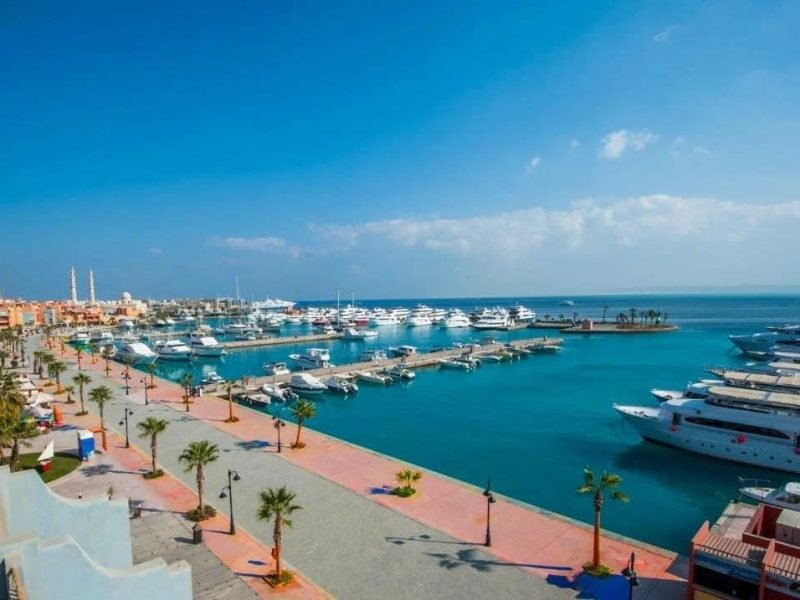
Hurghada marine park is a protected area off the coast of Hurghada, Egypt, renowned for its pristine coral reefs and diverse marine life. It offers exceptional opportunities for diving, snorkeling, and underwater photography, attracting tourists and marine enthusiasts from around the globe. This article provides essential tips for planning a perfect visit to this underwater paradise.
Understanding the Hurghada Marine Park
The Hurghada marine park is a vital ecosystem, home to a vast array of marine species. Its protected status aims to conserve the delicate balance of the coral reefs and the creatures that inhabit them.
Understanding the park’s significance and regulations is crucial for responsible tourism.
The Importance of Coral Reefs
Coral reefs are often referred to as the “rainforests of the sea” due to their incredible biodiversity. They provide shelter, breeding grounds, and food sources for countless marine animals. The reefs in Hurghada marine park are particularly vibrant, boasting a rich variety of hard and soft corals.
- Coral reefs support approximately 25% of all marine life.
- They protect coastlines from erosion and storm damage.
- They contribute significantly to local economies through tourism and fisheries.
The health of coral reefs is under threat from climate change, pollution, and destructive fishing practices. Protecting these ecosystems is essential for the long-term survival of many marine species.
Marine Life in the Park
The Hurghada marine park is teeming with diverse marine life, from colorful reef fish to larger pelagic species. Snorkelers and divers can encounter a wide range of creatures, including:
- Butterflyfish and angelfish, known for their vibrant colors and intricate patterns.
- Clownfish, famous for their symbiotic relationship with sea anemones.
- Moray eels, which lurk in crevices and coral formations.
- Turtles, often seen grazing on seagrass beds.
- Dolphins, which may approach boats and interact with swimmers.
Larger animals like sharks and rays are also occasionally sighted in deeper waters. The presence of these diverse species makes the Hurghada marine park a truly remarkable destination for marine enthusiasts. You can even explore the marine life on a dolphin house trip.
Regulations and Conservation Efforts
The Hurghada marine park operates under strict regulations to protect its fragile ecosystem. These regulations include:
- Restrictions on fishing and collecting marine organisms.
- Designated mooring points to prevent anchor damage to coral reefs.
- Guidelines for responsible diving and snorkeling practices.
- Regular monitoring of water quality and coral health.
Conservation efforts are ongoing to address threats such as pollution and coral bleaching. These efforts involve collaboration between government agencies, local communities, and tourism operators. By adhering to the park’s regulations and supporting conservation initiatives, visitors can help ensure the long-term health of the Hurghada marine park.
Essential Diving and Snorkeling Tips
Diving and snorkeling in the Hurghada marine park offer unparalleled opportunities to explore the underwater world. However, it’s essential to follow certain guidelines to ensure a safe and enjoyable experience.
Proper preparation and awareness of potential hazards are crucial for responsible underwater exploration.
Gear Selection and Preparation
Choosing the right gear is essential for a comfortable and safe diving or snorkeling experience. Consider the following:
- Mask and snorkel: Ensure a proper fit to prevent leaks and discomfort. Practice using your snorkel in shallow water before venturing into deeper areas.
- Fins: Select fins that are appropriate for your skill level and the conditions. Full-foot fins are generally easier to use for snorkeling, while open-heel fins require booties and provide more power for diving.
- Wetsuit: A wetsuit provides thermal protection and buoyancy. Choose a wetsuit thickness that is appropriate for the water temperature.
- Buoyancy control device (BCD): Divers use BCDs to control their buoyancy and maintain a safe depth. Ensure your BCD is properly fitted and functioning correctly.
- Dive computer: A dive computer monitors your depth, dive time, and ascent rate, helping you avoid decompression sickness.
Before entering the water, inspect your gear for any signs of damage or wear. Make sure all straps and buckles are secure. If you are renting gear, ask the dive operator to explain how to use it properly.
Diving and Snorkeling Techniques
Mastering basic diving and snorkeling techniques can enhance your underwater experience and minimize your impact on the marine environment. Consider the following tips:
- Breathing: Breathe slowly and deeply to conserve energy and reduce anxiety. Avoid holding your breath, as this can lead to lung overexpansion injuries.
- Buoyancy control: Maintain neutral buoyancy to avoid touching or damaging coral reefs. Use your BCD and breathing to fine-tune your buoyancy.
- Finning: Use a gentle finning technique to avoid stirring up sediment and disturbing marine life. Keep your fins pointed downwards to prevent kicking coral.
- Equalization: Equalize the pressure in your ears frequently, especially during descent. If you experience pain or discomfort, stop descending and try again.
- Communication: Use hand signals to communicate with your dive buddy or snorkeling group. Establish a clear communication plan before entering the water.
Always dive or snorkel with a buddy and stay within your limits. If you are new to diving or snorkeling, consider taking a guided tour or lesson from a certified instructor. You can even book a professional diving tour in Hurghada.
Understanding Underwater Hazards

Be aware of potential underwater hazards, such as strong currents, sharp coral, and marine stingers. Avoid touching or disturbing any marine life, as some species may be venomous or poisonous. If you encounter a potentially dangerous situation, remain calm and signal for help.
- Currents: Be aware of the current direction and strength before entering the water. Avoid diving or snorkeling in strong currents, as they can quickly carry you away from your group or boat.
- Coral: Avoid touching or brushing against coral, as it can be sharp and cause cuts or abrasions. Wear protective clothing, such as a wetsuit or rash guard, to minimize the risk of injury.
- Marine stingers: Be aware of the presence of jellyfish, sea urchins, and other marine stingers. Avoid touching or disturbing these creatures, as their stings can be painful or even dangerous.
- Decompression sickness: Divers should follow safe diving practices to avoid decompression sickness, also known as “the bends.” This includes limiting your depth and dive time, and making safety stops during ascent.
By understanding and avoiding these hazards, you can minimize the risk of injury and enjoy a safe and memorable diving or snorkeling experience in the Hurghada marine park.
Choosing the Right Tour Operator
Selecting a reputable and responsible tour operator is crucial for a safe and enjoyable visit to the Hurghada marine park. A good tour operator will provide experienced guides, well-maintained equipment, and a commitment to environmental protection.
Consider factors such as safety record, environmental practices, and customer reviews when making your decision.
Accreditation and Certification
Look for tour operators that are accredited by recognized diving or snorkeling organizations, such as PADI (Professional Association of Diving Instructors) or SSI (Scuba Schools International). Accreditation indicates that the operator meets certain safety and quality standards.
- PADI: PADI is the world’s largest diving organization, offering a range of courses and certifications for divers of all levels.
- SSI: SSI is another leading diving organization, known for its comprehensive training programs and commitment to safety.
- Local certifications: Some local organizations also offer certifications for dive operators. Check with local authorities to verify the validity of these certifications.
Certification ensures that the tour operator’s staff are properly trained and qualified to guide divers and snorkelers in the Hurghada marine park. You can even get your diving certification in Hurghada.
Safety Record and Equipment Maintenance
Inquire about the tour operator’s safety record and equipment maintenance practices. A reputable operator will have a strong safety record and will regularly inspect and maintain their equipment to ensure it is in good working order.
- Safety briefings: The tour operator should provide thorough safety briefings before each dive or snorkeling trip, covering topics such as emergency procedures, hand signals, and potential hazards.
- Equipment inspections: The tour operator should regularly inspect and maintain their equipment, including masks, snorkels, fins, wetsuits, BCDs, and dive computers.
- Emergency equipment: The tour operator should have emergency equipment on board, such as oxygen, first aid kits, and communication devices.
Ask the tour operator about their emergency procedures and what steps they take to ensure the safety of their clients. A responsible operator will be transparent and willing to answer your questions.
Environmental Practices
Choose a tour operator that is committed to environmental protection and responsible tourism practices. Look for operators that:
- Follow the Hurghada marine park’s regulations: The tour operator should adhere to all regulations and guidelines set by the park authorities, including restrictions on fishing and collecting marine organisms.
- Use designated mooring points: The tour operator should use designated mooring points to prevent anchor damage to coral reefs.
- Educate their clients about marine conservation: The tour operator should educate their clients about the importance of marine conservation and responsible diving and snorkeling practices.
- Support local conservation initiatives: The tour operator should support local conservation initiatives, such as coral reef restoration projects and marine debris cleanups.
By choosing a tour operator that prioritizes environmental protection, you can help minimize your impact on the Hurghada marine park and support the long-term health of this valuable ecosystem.
Respecting Marine Life and Environment
Respecting marine life and the environment is crucial for preserving the beauty and biodiversity of the Hurghada marine park. Responsible tourism practices can help minimize the impact of human activities on this fragile ecosystem.
Avoid touching or disturbing marine organisms, and dispose of waste properly to protect the park’s natural resources.
Avoiding Contact with Marine Organisms
Avoid touching or disturbing any marine organisms, including coral, fish, and invertebrates. Many marine species are delicate and can be easily damaged or stressed by human contact. Some species may also be venomous or poisonous.
- Coral: Coral is a living organism and is extremely sensitive to touch. Even a light touch can damage the coral’s delicate tissues and make it more susceptible to disease.
- Fish: Avoid chasing or feeding fish, as this can disrupt their natural behavior and feeding patterns.
- Invertebrates: Avoid touching or disturbing sea urchins, starfish, and other invertebrates, as they can be easily damaged or stressed.
Maintain a safe distance from marine life and observe them from afar. Use your eyes, not your hands, to explore the underwater world.
Proper Waste Disposal
Dispose of waste properly to prevent pollution and protect the Hurghada marine park’s natural resources. Avoid littering and dispose of all trash in designated receptacles.
- Plastic: Plastic is a major threat to marine life, as it can entangle animals, pollute the water, and break down into microplastics that are ingested by marine organisms. Avoid using single-use plastics and dispose of all plastic waste properly.
- Food waste: Food waste can attract unwanted pests and pollute the water. Dispose of all food waste in designated receptacles or take it back to shore with you.
- Chemicals: Avoid using sunscreen, insect repellent, and other chemicals that can pollute the water. Use reef-safe sunscreen and apply it sparingly.
Pack out everything you pack in and leave no trace of your visit. By practicing responsible waste disposal, you can help keep the Hurghada marine park clean and healthy.
Supporting Sustainable Tourism Practices
Support sustainable tourism practices by choosing eco-friendly tour operators and accommodations. Look for businesses that:
- Use renewable energy: Businesses that use renewable energy sources, such as solar power, are reducing their carbon footprint and minimizing their impact on the environment.
- Conserve water: Businesses that conserve water are helping to protect this precious resource. Look for businesses that use water-efficient fixtures and practices.
- Reduce waste: Businesses that reduce waste are minimizing their impact on the environment. Look for businesses that recycle, compost, and reduce their use of single-use plastics.
- Support local communities: Businesses that support local communities are contributing to the economic and social well-being of the region. Look for businesses that hire local staff, purchase local products, and support local conservation initiatives.
By supporting sustainable tourism practices, you can help ensure that the Hurghada marine park remains a beautiful and healthy destination for generations to come. You could also book a desert safari tour and support local Bedouin communities.
Safety Considerations for Your Visit
Prioritizing safety is essential for a worry-free experience in the Hurghada marine park. Awareness of potential risks and adherence to safety guidelines can help prevent accidents and injuries.
Stay informed about weather conditions, follow your guide’s instructions, and be mindful of your physical limitations.
Weather Conditions and Sea State
Check the weather forecast and sea state before embarking on any diving or snorkeling trip. Avoid diving or snorkeling in rough seas or during periods of strong winds or storms.
- Wind: Strong winds can create choppy seas and reduce visibility underwater.
- Waves: Large waves can make it difficult to enter and exit the water and can increase the risk of seasickness.
- Currents: Strong currents can make it difficult to swim and can carry you away from your group or boat.
If the weather conditions are unfavorable, postpone your trip or choose an alternative activity. Your safety is more important than seeing the reef.
Physical Fitness and Medical Conditions
Assess your physical fitness and medical conditions before diving or snorkeling. Ensure that you are in good health and that you do not have any medical conditions that could be exacerbated by underwater activities.
- Respiratory problems: People with respiratory problems, such as asthma or emphysema, should consult with a doctor before diving or snorkeling.
- Heart conditions: People with heart conditions should consult with a doctor before diving or snorkeling.
- Ear problems: People with ear problems, such as ear infections or perforated eardrums, should consult with a doctor before diving or snorkeling.
- Diabetes: People with diabetes should consult with a doctor before diving or snorkeling and should monitor their blood sugar levels closely.
If you have any concerns about your physical fitness or medical conditions, consult with a doctor before participating in diving or snorkeling activities.
Emergency Procedures and First Aid
Familiarize yourself with emergency procedures and first aid techniques before diving or snorkeling. Know how to signal for help and what to do in case of an emergency.
- Hand signals: Learn the basic hand signals used by divers and snorkelers to communicate underwater.
- Emergency contact information: Carry emergency contact information with you, including the phone numbers of your tour operator, local authorities, and your emergency contact person.
- First aid kit: Ensure that your tour operator has a well-stocked first aid kit on board.
In case of an emergency, remain calm and follow the instructions of your tour guide or dive instructor. Your safety is their top priority.
Common Misconceptions About the Marine Park
Several misconceptions surround the Hurghada marine park, often leading to unrealistic expectations or inappropriate behavior from visitors. Addressing these misconceptions is crucial for promoting responsible tourism and ensuring a positive experience for everyone.
Separating fact from fiction can help visitors appreciate the park’s true value and contribute to its conservation.
Misconception 1: All Marine Life is Friendly and Approachable
Many visitors assume that all marine creatures are harmless and eager to interact. This is a dangerous misconception. While many fish and invertebrates are indeed docile, others can be venomous, territorial, or easily stressed by human interaction.
- Truth: Marine life should always be observed from a respectful distance. Touching, chasing, or feeding animals can disrupt their natural behavior and potentially lead to injury for both the animal and the human.
- Example: Moray eels, often found hiding in crevices, may bite if they feel threatened. Similarly, some corals can cause skin irritation upon contact.
It’s essential to remember that you are a guest in their home. Treat all marine life with respect and avoid any actions that could cause them harm or distress.
Misconception 2: Coral Reefs are Indestructible
Another common misconception is that coral reefs are robust and can withstand any amount of human activity. This is far from the truth. Coral reefs are incredibly fragile ecosystems that are highly susceptible to damage from pollution, climate change, and physical contact.
- Truth: Even a seemingly minor touch can damage coral polyps, the tiny organisms that build the reef. Repeated contact can weaken the coral, making it more vulnerable to disease and bleaching.
- Example: Anchors dropped carelessly can crush large sections of coral. Similarly, divers who are not careful with their buoyancy can accidentally kick or brush against the reef, causing significant damage.
It’s crucial to be mindful of your surroundings and avoid any actions that could harm the coral reef. Use designated mooring points, maintain neutral buoyancy, and avoid touching the coral.
Misconception 3: Feeding Fish Enhances the Experience
Some visitors believe that feeding fish is a harmless way to enhance their underwater experience. However, this practice can have detrimental effects on the marine ecosystem.
- Truth: Feeding fish disrupts their natural feeding patterns and can lead to overpopulation of certain species. It can also make fish dependent on humans for food, reducing their ability to forage for themselves.
- Example: Feeding bread to fish can be harmful, as it lacks the nutrients they need and can pollute the water. Similarly, feeding large predators can make them more aggressive towards humans.
Avoid feeding fish or any other marine animals. Let them forage for their natural food sources and maintain the balance of the ecosystem.
Best Time to Visit Hurghada marine park
Choosing the right time to visit the Hurghada marine park can significantly enhance your experience. Factors such as water temperature, visibility, and weather conditions play a crucial role in determining the ideal time to explore this underwater paradise.
Consider seasonal variations and plan your trip accordingly to maximize your enjoyment of the park’s natural beauty.
Spring (March to May)
Spring is generally considered a favorable time to visit the Hurghada marine park. The weather is mild and sunny, with average temperatures ranging from 20°C to 30°C (68°F to 86°F). The water temperature is also comfortable, typically around 22°C to 25°C (72°F to 77°F), making it ideal for diving and snorkeling.
- Pros: Pleasant weather, comfortable water temperatures, good visibility.
- Cons: Can be crowded during peak season (April and May).
Spring offers a great balance of favorable weather conditions and manageable crowds. It’s a popular time for divers and snorkelers to explore the park’s vibrant coral reefs and diverse marine life.
Summer (June to August)
Summer in Hurghada can be very hot, with average temperatures ranging from 30°C to 40°C (86°F to 104°F). The water temperature is also warm, typically around 28°C to 30°C (82°F to 86°F). While the warm water can be appealing, the high air temperatures can make it uncomfortable for some visitors.
- Pros: Warm water, good visibility.
- Cons: Very hot weather, can be crowded, potential for strong winds.
If you can tolerate the heat, summer can be a good time to visit the Hurghada marine park. However, be prepared for high temperatures and strong sun exposure. Stay hydrated and wear sunscreen.
Autumn (September to November)
Autumn is another favorable time to visit the Hurghada marine park. The weather is mild and sunny, with average temperatures ranging from 25°C to 35°C (77°F to 95°F). The water temperature is also comfortable, typically around 25°C to 28°C (77°F to 82°F). The crowds are generally smaller than in spring and summer.
- Pros: Pleasant weather, comfortable water temperatures, good visibility, smaller crowds.
- Cons: Occasional strong winds.
Autumn offers a great combination of favorable weather conditions and smaller crowds. It’s an excellent time for divers and snorkelers to explore the park’s underwater wonders.
Winter (December to February)
Winter in Hurghada is the coolest time of year, with average temperatures ranging from 15°C to 25°C (59°F to 77°F). The water temperature is also cooler, typically around 20°C to 22°C (68°F to 72°F). While the weather is generally sunny, there can be occasional strong winds and rain.
- Pros: Smaller crowds, lower prices.
- Cons: Cooler weather, cooler water temperatures, potential for strong winds and rain.
If you don’t mind the cooler temperatures, winter can be a good time to visit the Hurghada marine park. However, be prepared for cooler water temperatures and potential for strong winds. Wear a wetsuit for diving and snorkeling.
Frequently asked questions about Hurghada marine park
What is the Hurghada marine park?
The Hurghada marine park is a protected area off the coast of Hurghada, Egypt, known for its vibrant coral reefs and diverse marine life. It offers opportunities for diving, snorkeling, and underwater photography.
What kind of marine life can I see in the Hurghada marine park?
You can see a variety of marine life, including colorful reef fish, moray eels, turtles, dolphins, and occasionally sharks and rays. The park boasts a rich diversity of hard and soft corals.
What are the regulations for visiting the Hurghada marine park?
Regulations include restrictions on fishing and collecting marine organisms, designated mooring points to prevent anchor damage, and guidelines for responsible diving and snorkeling practices. Visitors are encouraged to respect marine life and avoid touching coral.
What should I bring with me when visiting the Hurghada marine park?
Bring sunscreen, a hat, sunglasses, a swimsuit, a towel, and a camera to capture the underwater beauty. If you plan to dive or snorkel, bring your own gear or rent it from a reputable tour operator. You might also want to bring a waterproof bag to protect your belongings.
How can I help protect the Hurghada marine park?
You can help protect the park by following the regulations, avoiding contact with marine life, disposing of waste properly, and supporting sustainable tourism practices. Choose eco-friendly tour operators and accommodations that prioritize environmental protection.
Is it safe to swim in the Hurghada marine park?
Yes, it is generally safe to swim in the Hurghada marine park, but it’s important to be aware of potential hazards such as strong currents, sharp coral, and marine stingers. Follow your guide’s instructions and avoid touching or disturbing any marine life.
Do I need a visa to visit Hurghada?
Most nationalities require a visa to enter Egypt. You can obtain a visa upon arrival at the Hurghada International Airport or apply for an e-visa online before your trip. Check the visa requirements for your nationality before traveling.
Are there any health precautions I should take before visiting Hurghada?
It’s recommended to consult with your doctor about any necessary vaccinations or health precautions before visiting Hurghada. Drink bottled water to avoid stomach problems and protect yourself from the sun.
Ready to Experience This in Person?
Book the official Red Sea Coral Reef Snorkeling Tour with Lunch with Hurghada Sun Seekers. Enjoy guaranteed best local prices, hotel transfers, and flexible free cancellation.
Conclusion
The Hurghada marine park is a treasure trove of underwater wonders, offering unforgettable experiences for divers and snorkelers. By following these essential tips, you can ensure a safe, enjoyable, and responsible visit to this remarkable ecosystem.
Plan your trip carefully, respect marine life, and support sustainable tourism practices to help preserve the Hurghada marine park for future generations. Consider booking a sea scope submarine tour for a unique perspective. Get started planning your adventure today!
Comment (0)