

hurghada diving sharm el naga trip booking: 7 Best Essential Tips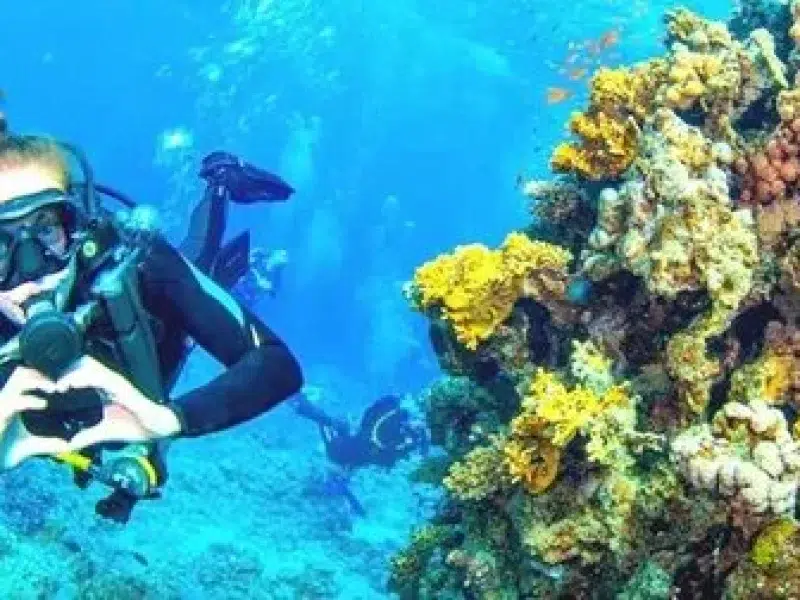
A hurghada diving sharm el naga trip booking offers an incredible opportunity to explore the Red Sea’s vibrant marine life and stunning coral reefs. This guide provides essential tips and insights to ensure your diving experience is safe, enjoyable, and unforgettable.
Understanding Hurghada Diving and Sharm El Naga
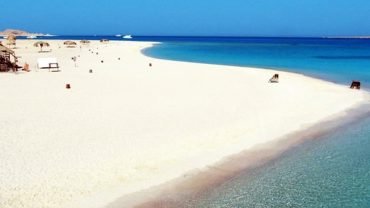
Hurghada, a popular resort town on the Red Sea coast, is renowned for its exceptional diving opportunities. Sharm El Naga, a protected bay located a short distance from Hurghada, offers pristine coral reefs and abundant marine life, making it an ideal destination for divers and snorkelers alike.
This combination of locations allows for diverse diving experiences, from exploring shallow reefs teeming with colorful fish to more challenging drift dives along outer reef walls. The clear, warm waters of the Red Sea provide excellent visibility, enhancing the overall diving experience.
The Appeal of Sharm El Naga
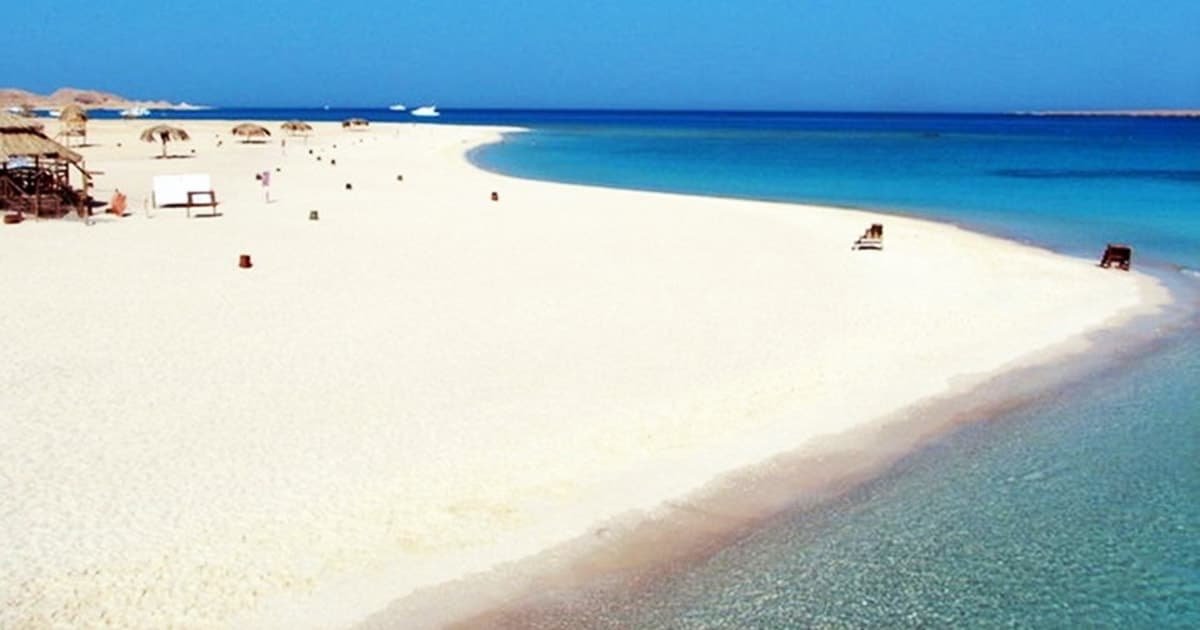
Sharm El Naga distinguishes itself with its well-preserved coral gardens and diverse ecosystem. The bay is carefully managed to protect its natural beauty, ensuring a sustainable diving environment. Moreover, the calm, shallow waters near the shore make it perfect for beginner divers and snorkelers.
- Pristine coral reefs
- Abundant marine life
- Protected bay environment
The controlled access and conservation efforts contribute to a healthier marine environment compared to some more heavily trafficked dive sites. This makes Sharm El Naga a particularly rewarding destination for those seeking an unspoiled underwater experience.
Hurghada’s Diving Scene
Hurghada offers a variety of dive sites suitable for all skill levels. From the famous Abu Ramada reef to the wreck of the El Mina minesweeper, there’s something to appeal to every diver. In addition, numerous dive centers in Hurghada provide courses, equipment rental, and guided tours.
Furthermore, the town’s well-developed tourism infrastructure ensures easy access to dive sites and comfortable accommodation options. Diving tours in Hurghada often include boat trips to nearby reefs and islands, providing a full-day experience.
Essential Gear for Your Diving Trip
Having the right gear is crucial for a safe and enjoyable diving experience. Whether you’re a seasoned diver or a beginner, understanding the function and importance of each piece of equipment is essential.
Properly maintained and well-fitting gear not only enhances comfort but also contributes significantly to safety. Consider renting or purchasing equipment based on your diving experience and the specific conditions of the dive site.
Basic Diving Equipment
The core diving equipment includes a mask, snorkel, fins, buoyancy control device (BCD), regulator, and dive computer. Each component plays a vital role in underwater breathing, buoyancy, and navigation.
- Mask: Provides clear underwater vision.
- Snorkel: Allows breathing at the surface without using tank air.
- Fins: Propel you through the water efficiently.
- BCD: Controls buoyancy, allowing you to ascend, descend, and maintain neutral buoyancy.
- Regulator: Delivers air from the tank at a breathable pressure.
- Dive Computer: Tracks depth, time, and other critical data to prevent decompression sickness.
Before each dive, inspect your equipment thoroughly for any signs of wear or damage. Ensure that all components are functioning correctly and that you are comfortable using them.
Additional Gear and Accessories
Depending on the dive site and water temperature, you may also need a wetsuit or drysuit for thermal protection. In addition, gloves, boots, and a hood can provide extra warmth and protection.
Moreover, consider bringing a dive knife or cutting tool for emergencies, a signaling device (such as a whistle or surface marker buoy), and an underwater camera to capture your diving adventures. A dive slate can also be useful for communication.
Booking Your Hurghada Diving Sharm El Naga Trip: What to Consider
Planning your hurghada diving sharm el naga trip booking requires careful consideration of several factors, including the time of year, your diving experience, and the type of dive sites you wish to explore.
Booking in advance is highly recommended, especially during peak season, to secure your preferred dates and dive operators. Researching and comparing different tour packages can help you find the best value for your money.
Choosing a Dive Operator
Selecting a reputable and experienced dive operator is crucial for a safe and enjoyable diving experience. Look for operators with certified instructors, well-maintained equipment, and a strong safety record.
Furthermore, check online reviews and ask for recommendations from other divers. A good dive operator will provide thorough briefings, ensure proper equipment fitting, and offer guidance throughout the dive.
Dive Packages and Inclusions
Dive packages typically include boat transfers, equipment rental, guided dives, and meals. Some packages may also include accommodation and airport transfers. Carefully review the inclusions to ensure they meet your needs.
- Boat transfers to dive sites
- Equipment rental (BCD, regulator, mask, fins, wetsuit)
- Guided dives with certified instructors
- Lunch and refreshments on board
- Accommodation (in some packages)
Consider whether you prefer a full-day or half-day diving trip, and whether you want to focus on specific dive sites or marine life. Some operators also offer specialized courses, such as underwater photography or wreck diving.
Best Time to Visit
The best time for hurghada diving sharm el naga trip booking is generally from April to June and September to November. During these months, the weather is pleasant, and the water temperature is ideal for diving. The summer months (July and August) can be very hot, while the winter months (December to February) may bring cooler water temperatures.
However, diving is possible year-round in Hurghada and Sharm El Naga. Consider your personal preferences and tolerance for heat or cold when planning your trip. Also, be aware that visibility may vary depending on the season and weather conditions.
Safety First: Diving Regulations and Best Practices
Diving safety should always be your top priority. Understanding and adhering to diving regulations and best practices can significantly reduce the risk of accidents and ensure a safe and enjoyable experience.
Before each dive, listen carefully to the dive briefing provided by your instructor or guide. Pay attention to information about the dive site, potential hazards, and emergency procedures.
Diving Certifications and Training
If you are a beginner diver, it is essential to obtain proper certification from a recognized diving organization, such as PADI or SSI. Certification courses provide the necessary knowledge and skills to dive safely and confidently.
Even experienced divers should consider taking refresher courses or advanced training to enhance their skills and stay up-to-date with the latest diving techniques. Snorkeling in Sharm El Naga is a good alternative for those who don’t want to dive.
Buddy System and Dive Planning
Always dive with a buddy and maintain close contact throughout the dive. Discuss your dive plan with your buddy before entering the water, including your maximum depth, dive time, and emergency signals.
- Check your equipment before each dive.
- Stay within your limits and experience level.
- Monitor your air supply and depth regularly.
- Ascend slowly and perform a safety stop at 5 meters for 3 minutes.
- Avoid diving alone.
Proper dive planning includes considering the dive site conditions, weather forecast, and your physical and mental state. If you are feeling unwell or fatigued, it is best to postpone the dive.
Emergency Procedures
Familiarize yourself with emergency procedures, such as how to respond to equipment malfunctions, buddy separation, or marine animal encounters. Know how to use your signaling devices and where to find emergency oxygen and first aid supplies.
In the event of an emergency, remain calm and follow the instructions of your dive guide or instructor. Report any incidents or near misses to the dive operator so they can take appropriate action to prevent future occurrences.
Exploring Sharm El Naga: Dive Sites and Marine Life
Sharm El Naga is renowned for its diverse dive sites and abundant marine life. From shallow coral gardens to deeper reef walls, there’s something to captivate every diver.
The bay is home to a wide variety of fish species, including colorful reef fish, barracudas, and moray eels. In addition, you may encounter sea turtles, dolphins, and even the occasional shark.
Popular Dive Sites
Some of the most popular dive sites in Sharm El Naga include the House Reef, the Coral Gardens, and the South Reef. Each site offers unique features and marine life encounters.
- House Reef: A shallow reef perfect for beginner divers and snorkelers, with abundant coral and fish life.
- Coral Gardens: A vibrant reef with a diverse array of coral species and colorful reef fish.
- South Reef: A deeper reef with stronger currents, suitable for experienced divers, with opportunities to see larger pelagic species.
The dive sites are easily accessible from the shore or by boat, and most dive operators offer guided tours to ensure you don’t miss the best spots.
Marine Life Encounters
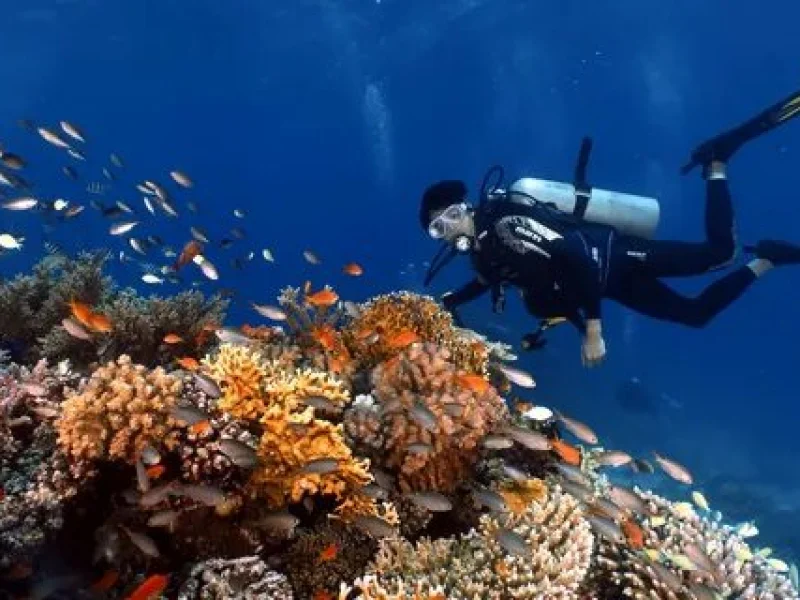
Sharm El Naga is home to a rich diversity of marine life. Keep an eye out for colorful reef fish, such as butterflyfish, angelfish, and clownfish. You may also encounter larger species, such as barracudas, groupers, and moray eels.
Sea turtles are frequently seen in Sharm El Naga, often grazing on seagrass or resting on the reef. Dolphins occasionally visit the bay, providing unforgettable encounters for divers and snorkelers.
Common Misconceptions About Diving in Hurghada
There are several common misconceptions about diving in Hurghada and Sharm El Naga. Addressing these misconceptions can help you make informed decisions and prepare for a safe and enjoyable diving experience.
One common misconception is that diving is only for experienced professionals. In reality, many dive sites in Hurghada and Sharm El Naga are suitable for beginner divers, and certification courses are readily available.
 Misconception 1: Diving is Too Expensive
While diving can be an investment, it doesn’t have to be prohibitively expensive. There are many affordable dive packages available, and you can save money by renting equipment instead of purchasing it.
Furthermore, consider booking your trip during the off-season to take advantage of lower prices. Some dive operators also offer discounts for group bookings or multiple dives.
Misconception 2: Diving is Too Dangerous
Diving does involve inherent risks, but these risks can be minimized by following safety regulations and best practices. Proper training, equipment maintenance, and dive planning are essential for safe diving.
Choose a reputable dive operator with certified instructors and a strong safety record. Listen carefully to the dive briefing and follow the instructions of your guide or instructor. Cheap fishing trips in Hurghada are a safer alternative for those who don’t want to dive.
Misconception 3: You Need to Be a Strong Swimmer to Dive
While being a comfortable swimmer is helpful, you don’t need to be an Olympic swimmer to dive. Diving equipment, such as the BCD, provides buoyancy and allows you to float effortlessly in the water.
Furthermore, dive instructors will teach you basic swimming techniques and how to use your equipment effectively. If you are not a confident swimmer, consider taking a snorkeling tour instead.
Preparing for Potential Challenges During Your Dive
Even with careful planning, unexpected challenges can arise during a dive. Being prepared to handle these situations can make the difference between a minor inconvenience and a serious problem.
One common challenge is dealing with changes in water conditions, such as currents or reduced visibility. Another is managing equipment issues, such as a leaky mask or a malfunctioning regulator. It’s also important to be aware of potential marine hazards, such as stinging jellyfish or aggressive fish.
Dealing with Currents
Currents can significantly affect your dive, making it harder to navigate and potentially carrying you away from your intended course. Before the dive, ask your dive guide about the expected current conditions and how to handle them.
If you encounter a strong current underwater, swim against it at a slight angle, using your fins efficiently to conserve energy. If the current is too strong to swim against, signal to your buddy and ascend slowly to a shallower depth where the current may be weaker. Alternatively, you can drift with the current, keeping a close eye on your surroundings and signaling to the boat to pick you up.
Managing Reduced Visibility
Poor visibility can make it difficult to see your buddy, navigate the dive site, and spot marine life. If you encounter reduced visibility, stay close to your buddy and use a dive light to improve your vision.
Communicate frequently with your buddy using hand signals, and be extra cautious when navigating around obstacles. If the visibility is too poor to continue the dive safely, abort the dive and ascend slowly to the surface.
Handling Equipment Issues
Equipment malfunctions can occur even with well-maintained gear. Before each dive, inspect your equipment carefully for any signs of wear or damage. If you notice a problem, such as a leaky mask or a stiff regulator, address it before entering the water.
If an equipment issue arises during the dive, remain calm and signal to your buddy. If you have a leaky mask, try to clear it underwater. If your regulator malfunctions, switch to your alternate air source. If you are unable to resolve the issue, abort the dive and ascend slowly to the surface.
Photography and Videography Tips for Underwater Memories
Capturing your diving adventures with photos and videos is a great way to preserve your memories and share your experiences with others. However, underwater photography and videography can be challenging due to the unique conditions of the underwater environment.
To capture stunning underwater images and videos, you’ll need the right equipment, techniques, and a good understanding of underwater lighting and composition.
Choosing the Right Equipment
For underwater photography and videography, you’ll need a waterproof camera or a camera with a waterproof housing. There are many options available, ranging from compact point-and-shoot cameras to professional-grade DSLRs and mirrorless cameras.
Consider the depth rating of the camera or housing, as well as the image quality, video resolution, and ease of use. You may also want to invest in accessories such as underwater strobes or video lights to improve the lighting in your photos and videos.
Mastering Underwater Techniques
Underwater photography and videography require different techniques than shooting on land. One important technique is to maintain neutral buoyancy, which allows you to move freely and steadily in the water without disturbing the marine environment.
Another key technique is to get close to your subject, as water absorbs light and reduces clarity. Use a wide-angle lens to capture expansive scenes, or a macro lens to capture close-up details of small creatures. Remember to focus carefully and use a fast shutter speed to avoid blurry images.
Understanding Underwater Lighting and Composition
Lighting is crucial for underwater photography and videography. Water absorbs red and orange light first, so images taken at depth can appear blue or green. Use underwater strobes or video lights to restore the natural colors of your subjects.
Pay attention to composition when framing your shots. Use the rule of thirds to create balanced and visually appealing images. Look for interesting angles and perspectives, and try to capture the natural behavior of marine life.
Respecting the Marine Environment: Sustainable Diving Practices
As divers, we have a responsibility to protect the marine environment and ensure that future generations can enjoy the beauty and wonder of the underwater world. By following sustainable diving practices, we can minimize our impact on coral reefs and marine life.
Sustainable diving practices include avoiding contact with coral, minimizing disturbance to marine life, and properly disposing of waste. It’s also important to choose dive operators that are committed to environmental conservation and support local communities.
Avoiding Contact with Coral
Coral reefs are fragile ecosystems that can be easily damaged by physical contact. Avoid touching, kicking, or bumping into coral with your fins, hands, or equipment. Maintain neutral buoyancy to prevent accidental contact with the reef.
Be aware of your surroundings and avoid stirring up sediment, which can smother coral and reduce water clarity. If you need to rest, find a sandy patch or a stable rock to avoid damaging the reef.
Minimizing Disturbance to Marine Life
Marine life can be easily stressed by human interaction. Avoid chasing, feeding, or handling marine animals. Observe them from a distance and allow them to behave naturally.
Do not use flash photography close to sensitive marine life, such as sea turtles or seahorses. Be respectful of nesting sites and breeding areas, and avoid disturbing these areas.
Properly Disposing of Waste
Never leave trash or debris in the water. Properly dispose of all waste in designated receptacles on the boat or on shore. If you see trash in the water, pick it up and dispose of it properly.
Avoid using single-use plastics, such as water bottles or plastic bags. Bring your own reusable water bottle and shopping bag to reduce your environmental impact.
Frequently asked questions about hurghada diving sharm el naga trip booking
What is the best time of year for hurghada diving sharm el naga trip booking?
The best time for diving in Hurghada and Sharm El Naga is typically from April to June and September to November, offering pleasant weather and ideal water temperatures.
Do I need to be certified to dive in Sharm El Naga?
While some dive sites are suitable for beginner divers, it’s highly recommended to obtain a diving certification from a recognized organization like PADI or SSI for a safe and comprehensive experience.
What equipment is included in most dive packages?
Most dive packages include essential gear such as a BCD, regulator, mask, fins, and wetsuit. Check with the dive operator for specific inclusions.
Are there any age restrictions for diving in Hurghada?
Generally, the minimum age for diving certification is 10 years old. However, specific age restrictions may vary depending on the dive operator and certification agency.
What marine life can I expect to see in Sharm El Naga?
Sharm El Naga is home to a diverse array of marine life, including colorful reef fish, sea turtles, dolphins, and various coral species. You might even spot a shark!
How far is Sharm El Naga from Hurghada?
Sharm El Naga is located approximately 45 kilometers south of Hurghada, making it an easily accessible day trip destination.
Can I snorkel in Sharm El Naga if I don’t want to dive?
Yes, Sharm El Naga offers excellent snorkeling opportunities, with shallow, clear waters and abundant coral and fish life close to the shore.
What safety precautions should I take while diving?
Always dive with a buddy, follow the dive plan, monitor your air supply and depth, ascend slowly, and perform a safety stop. Listen carefully to the dive briefing and follow the instructions of your guide.
Conclusion
A hurghada diving sharm el naga trip booking offers a unique opportunity to explore the Red Sea’s underwater wonders. By following these essential tips and guidelines, you can ensure a safe, enjoyable, and unforgettable diving adventure.
Ready to book your diving trip? Contact us today to explore the best diving packages and start planning your underwater adventure! Consider a family fishing trip in Hurghada as an alternative.


Comment (0)