

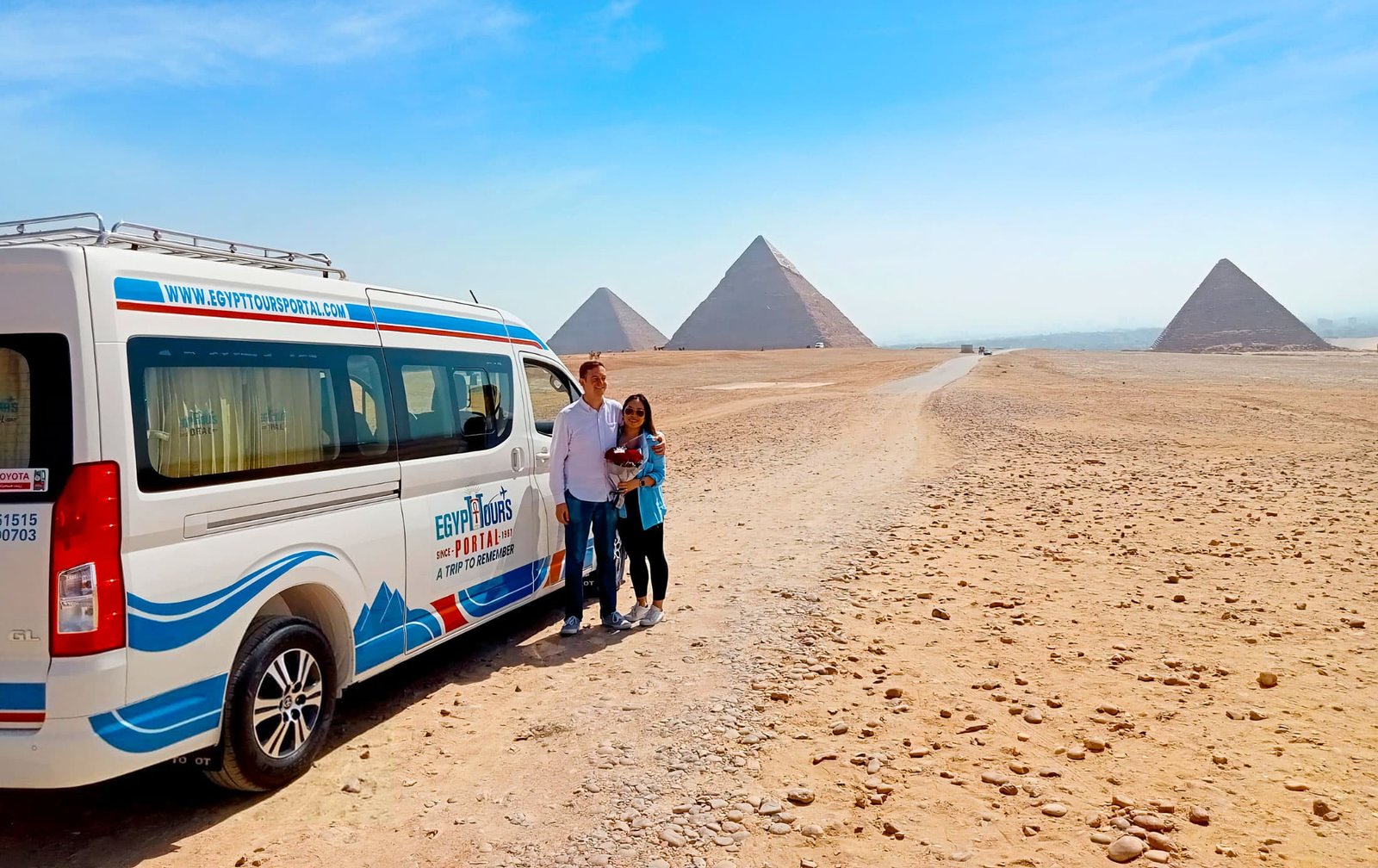
Visit Giza pyramids Egypt: A Comprehensive Guide
Planning to visit Giza pyramids Egypt? This guide provides everything you need to know for an unforgettable trip, from the best time to visit and how to get there, to what to expect and essential tips for exploring these magnificent ancient wonders. Prepare for an adventure into history!
Planning Your Visit Giza pyramids Egypt: Essential Tips
Visiting the Giza pyramids is a dream for many travelers. Therefore, careful planning is crucial to ensure a smooth and enriching experience. This section covers essential tips to help you prepare for your visit.
Moreover, consider these points to make the most of your time at the pyramids. From the best time to visit to what to wear, preparation is key.
Best Time to Visit
The best time to visit the Giza pyramids is during the cooler months, from October to April. Furthermore, the weather is more pleasant for exploring the outdoor site.
- October to April: Cooler temperatures, ideal for walking and exploring.
- Avoid Summer: The summer months (May to September) can be extremely hot, making it uncomfortable to spend extended periods outdoors.
- Time of Day: Visit early in the morning or late in the afternoon to avoid the midday heat and crowds.
What to Wear
Dress modestly and comfortably when visiting the Giza pyramids. As a result, you’ll be more comfortable and respectful of the local culture.
- Comfortable Shoes: Essential for walking on uneven terrain.
- Loose Clothing: Lightweight, breathable fabrics are ideal for the Egyptian climate.
- Sun Protection: Hat, sunglasses, and sunscreen are crucial to protect yourself from the sun.
- Modest Attire: Shoulders and knees should be covered, especially when visiting religious sites nearby.
Booking Tickets in Advance
Booking your tickets in advance can save you time and ensure entry, especially during peak season. In addition, online booking often offers discounts and avoids long queues.
- Official Website: Purchase tickets from the official Egyptian government website.
- Tour Operators: Consider booking a guided tour that includes entrance fees.
- Avoid Scalpers: Purchase tickets only from official sources to avoid scams.
Getting to the Giza Pyramids: Transportation Options
Reaching the Giza pyramids is straightforward, with several transportation options available from Cairo. Therefore, choose the one that best suits your budget and preferences.
Moreover, consider the travel time and comfort level when selecting your mode of transportation. Each option has its advantages and disadvantages.
Taxi
Taxis are a convenient option for getting to the Giza pyramids. Furthermore, they offer door-to-door service and can be negotiated for a fixed price.
- Negotiate Fare: Agree on a price before starting your journey.
- Official Taxis: Opt for licensed taxis with meters.
- Ride-Sharing Apps: Uber and Careem are available in Cairo and offer a reliable alternative.
Public Transportation
Public transportation is the most affordable way to reach the Giza pyramids. However, it can be crowded and time-consuming.
- Metro: Take the metro to Giza station and then a taxi or bus to the pyramids.
- Buses: Several bus routes connect Cairo to Giza.
- Microbuses: A faster but more crowded option, microbuses are a common mode of transport for locals.
Organized Tours
Organized tours provide a hassle-free way to visit the Giza pyramids. In addition, they often include transportation, entrance fees, and a knowledgeable guide.
- Full-Day Tours: Typically include visits to other nearby attractions.
- Private Tours: Offer a more personalized experience.
- Group Tours: A cost-effective option for solo travelers or small groups.
Renting a Car
Renting a car gives you the freedom to explore the Giza pyramids and surrounding areas at your own pace. As a result, it’s a good option for those who prefer independent travel.
- International Driving Permit: Required for driving in Egypt.
- Traffic Conditions: Be prepared for heavy traffic in Cairo.
- Parking: Available near the pyramids, but can be crowded.
Exploring the Pyramids: What to Expect
Visiting the Giza pyramids is an awe-inspiring experience. Therefore, knowing what to expect can help you make the most of your visit.
Moreover, be prepared for the crowds, the heat, and the vastness of the site. The pyramids are truly a sight to behold.
The Great Pyramid of Giza
The Great Pyramid of Giza is the largest and most famous of the three pyramids. Furthermore, it is the only remaining wonder of the ancient world.
- Entrance: Limited tickets are available to enter the pyramid.
- Inside the Pyramid: Narrow passages and steep climbs.
- Views: Breathtaking views of the surrounding area from the top (if accessible).
The Sphinx
The Sphinx is a mythical creature with the body of a lion and the head of a human. In addition, it stands guard over the pyramids.
- Photo Opportunities: Capture iconic photos with the Sphinx.
- History: Learn about the Sphinx’s history and significance.
- Restoration: Ongoing restoration efforts to preserve the monument.
Camel and Horse Rides
Camel and horse rides are a popular way to explore the Giza pyramids. However, be cautious and negotiate the price beforehand.
- Negotiate Price: Agree on a price before starting your ride.
- Safety: Ensure the animal is well-treated and the ride is safe.
- Scams: Be aware of potential scams and overcharging.
The Solar Boat Museum
The Solar Boat Museum houses a reconstructed ancient Egyptian boat. As a result, it provides insight into ancient Egyptian shipbuilding and funerary practices.
- History: Learn about the boat’s purpose and construction.
- Artifacts: View other artifacts found near the pyramids.
- Exhibits: Informative exhibits on ancient Egyptian culture.
Understanding the History: Giza Pyramids Significance
The Giza pyramids are not just impressive structures; they are also a testament to the ingenuity and beliefs of the ancient Egyptians. Therefore, understanding their history and significance adds depth to your visit.
Moreover, the pyramids were built as tombs for pharaohs and were intended to ensure their successful passage into the afterlife. They represent a complex system of religious and cultural beliefs.
Construction of the Pyramids
The construction of the Giza pyramids was a monumental undertaking that required immense planning, organization, and labor. Furthermore, it involved thousands of skilled workers and laborers.
- Labor Force: Skilled workers, engineers, and laborers.
- Materials: Limestone, granite, and other materials.
- Techniques: Advanced engineering and construction techniques.
Purpose of the Pyramids
The pyramids served as tombs for pharaohs and were designed to protect their bodies and possessions for the afterlife. In addition, they were also symbols of the pharaoh’s power and divine status.
- Tombs: Burial chambers for pharaohs.
- Protection: Safeguarding the pharaoh’s body and possessions.
- Symbolism: Representing the pharaoh’s power and connection to the gods.
Religious Beliefs
The ancient Egyptians had a complex system of religious beliefs centered around the afterlife. As a result, the pyramids were an integral part of these beliefs.
- Afterlife: Belief in a life after death.
- Funerary Rituals: Elaborate rituals to prepare the pharaoh for the afterlife.
- Gods: Honoring the gods and ensuring their favor.
The Giza Plateau
The Giza Plateau is home to the Giza pyramids, the Sphinx, and other ancient structures. In addition, it is a UNESCO World Heritage Site.
- UNESCO World Heritage Site: Recognized for its cultural and historical significance.
- Other Structures: Tombs, temples, and other ancient buildings.
- Archaeological Discoveries: Ongoing excavations and discoveries.
You can extend your Red Sea adventure with private tours from Hurghada, offering a seamless blend of relaxation and exploration.
Common Misconceptions and Risks When Visiting the Pyramids
Visiting the Giza pyramids can be an incredible experience, but it’s important to be aware of common misconceptions and potential risks. Therefore, being informed can help you avoid unpleasant situations and make the most of your visit.
Moreover, many tourists have unrealistic expectations about the site, and some fall victim to scams or other issues. Understanding these potential pitfalls can help you stay safe and enjoy your time.
Misconception: The Pyramids Were Built by Slaves
One of the most common misconceptions is that the pyramids were built by slaves. Furthermore, archaeological evidence suggests that the pyramids were built by skilled workers who were compensated for their labor.
- Skilled Workers: Evidence points to skilled laborers who were paid for their work.
- Living Conditions: Workers lived in organized settlements with access to food and resources.
- Respect for the Dead: The construction was a national project, not forced labor.
Risk: Scams and Overcharging
Tourists are often targeted by scams and overcharging at the Giza pyramids. In addition, it’s important to be cautious and negotiate prices beforehand.
- Camel and Horse Rides: Agree on a price before starting your ride.
- Souvenirs: Be wary of inflated prices and fake artifacts.
- Taxis: Negotiate the fare before getting in the taxi.
Misconception: The Pyramids Are Located in the Desert
While the Giza pyramids are located on the edge of the desert, they are also close to the city of Cairo. As a result, they are easily accessible and not as isolated as some people believe.
- Proximity to Cairo: The pyramids are located just outside the city.
- Urban Development: The area around the pyramids is increasingly urbanized.
- Accessibility: Easy to reach by taxi, bus, or organized tour.
Risk: Heat and Sun Exposure
The Egyptian climate can be harsh, especially during the summer months. Therefore, it’s important to protect yourself from the heat and sun.
- Hydration: Drink plenty of water to stay hydrated.
- Sun Protection: Wear a hat, sunglasses, and sunscreen.
- Timing: Visit early in the morning or late in the afternoon to avoid the midday heat.
Misconception: You Can Explore the Pyramids Freely
Access to the interior of the pyramids is restricted, and tickets are required. Furthermore, only a limited number of tickets are available each day.
- Limited Access: Only a few pyramids are open to the public.
- Tickets: Purchase tickets in advance to ensure entry.
- Restrictions: Certain areas may be off-limits for safety or preservation reasons.
Beyond the Pyramids: Nearby Attractions
While the Giza pyramids are the main attraction, there are several other nearby sites worth exploring. Therefore, consider extending your visit to include these attractions.
Moreover, these sites offer a deeper understanding of ancient Egyptian history and culture. They can be easily combined with a visit to the pyramids.
The Egyptian Museum
The Egyptian Museum in Cairo houses an extensive collection of ancient Egyptian artifacts. In addition, it is a must-see for anyone interested in Egyptian history.
- Tutankhamun Collection: See the treasures of Tutankhamun’s tomb.
- Mummies: View mummies of pharaohs and other important figures.
- Artifacts: Explore a vast collection of ancient Egyptian art and artifacts.
Saqqara
Saqqara is an ancient burial ground that features the Step Pyramid of Djoser. Furthermore, it is one of the oldest stone structures in Egypt.
- Step Pyramid of Djoser: The oldest complete stone building complex in Egypt.
- Tombs: Explore other tombs and burial sites.
- History: Learn about the history of Saqqara and its significance.
Memphis
Memphis was the ancient capital of Egypt and is home to several important historical sites. In addition, it offers a glimpse into the country’s rich past.
- Open Air Museum: See statues and artifacts from ancient Memphis.
- Colossus of Ramses II: Marvel at the massive statue of Ramses II.
- History: Learn about the history of Memphis and its role in ancient Egypt.
Khan el-Khalili
Khan el-Khalili is a historic bazaar in Cairo where you can shop for souvenirs and experience the local culture. As a result, it’s a great place to immerse yourself in the vibrant atmosphere of Cairo.
- Shopping: Browse a wide variety of souvenirs, spices, and handicrafts.
- Cafes: Relax and enjoy traditional Egyptian coffee or tea.
- Atmosphere: Experience the lively atmosphere of a traditional Egyptian bazaar.
Consider adding a day trip from Hurghada to the Egyptian Museum in Cairo to your itinerary for a comprehensive cultural experience.
Frequently asked questions about Visit Giza pyramids Egypt
What is the best time of year to visit the Giza pyramids?
The best time to visit the Giza pyramids is during the cooler months, from October to April. The weather is more pleasant for exploring the outdoor site during this time.
How much does it cost to enter the Giza pyramids?
The entrance fee to the Giza pyramids varies depending on which areas you want to access. As of 2023, a general ticket to the Giza Plateau costs around 200 EGP (approximately $12 USD), but additional tickets are required to enter the Great Pyramid or the Solar Boat Museum.
What should I wear when visiting the Giza pyramids?
It’s best to wear comfortable, loose-fitting clothing and comfortable shoes. Also, be sure to bring a hat, sunglasses, and sunscreen to protect yourself from the sun. Modest attire is recommended, covering shoulders and knees.
Are there guided tours available at the Giza pyramids?
Yes, there are many guided tours available at the Giza pyramids. These tours can provide valuable insights into the history and significance of the site. You can book tours in advance or find guides at the entrance.
Is it safe to visit the Giza pyramids?
The Giza pyramids are generally safe to visit, but it’s important to be aware of your surroundings and take precautions against scams and petty theft. Avoid walking alone at night and be cautious when accepting offers from vendors or tour guides.
Can I take photos inside the pyramids?
Photography is allowed in some areas of the pyramids, but flash photography may be restricted. Be sure to check the rules before taking photos. Photography inside the Great Pyramid usually requires an additional ticket.
How much time should I spend at the Giza pyramids?
Most visitors spend between 3 to 4 hours at the Giza pyramids. This allows enough time to explore the main sites, including the Great Pyramid, the Sphinx, and the surrounding area. If you plan to visit nearby attractions, you may want to allocate more time.
Are there restrooms and food facilities at the Giza pyramids?
Yes, there are restrooms and food facilities available at the Giza pyramids, but they may be limited and of varying quality. It’s a good idea to bring your own water and snacks, especially if you have dietary restrictions.
Ready to Experience This in Person?
Book the official Private Day Tour to Cairo & Pyramids with Hurghada Sun Seekers. Enjoy guaranteed best local prices, hotel transfers, and flexible free cancellation.
Conclusion
Planning a visit Giza pyramids Egypt offers an unparalleled opportunity to witness one of the world’s most iconic and historically significant sites. By following these tips and being prepared, you can ensure a memorable and enriching experience.
Ready to explore the wonders of ancient Egypt? Book your tour today and discover the magic of the Giza pyramids! Check out our tour packages for an unforgettable adventure.
For broader travel context while planning your Red Sea holiday, you can also visit the official Egypt tourism guide.


Comment (0)