

Snorkeling paradise island: 7 Complete & Effective Tips
A snorkeling paradise island is a destination renowned for its crystal-clear waters, vibrant marine life, and accessible coral reefs, making it ideal for snorkelers of all skill levels. These islands offer a unique opportunity to explore the underwater world with minimal equipment, providing an intimate experience with nature’s beauty. Snorkeling in such locations allows enthusiasts to witness diverse ecosystems teeming with colorful fish, intricate coral formations, and other fascinating sea creatures.
Defining a Snorkeling Paradise Island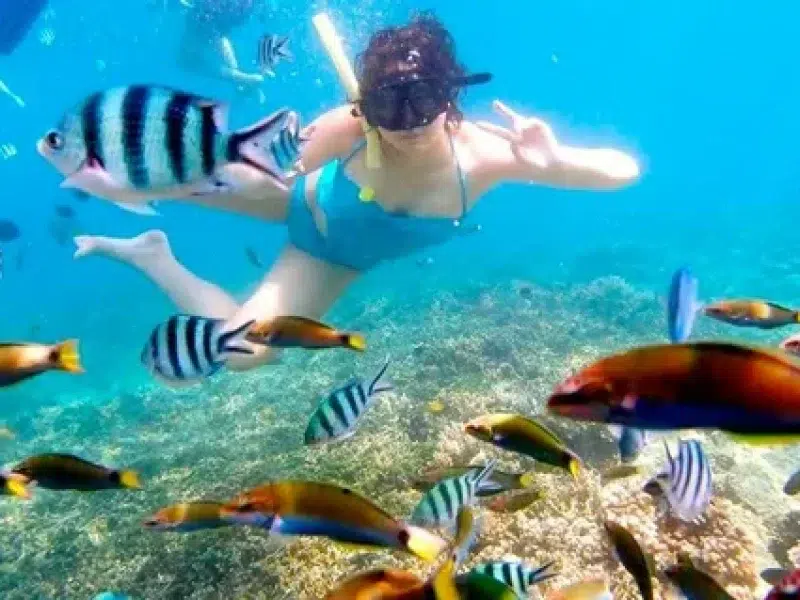
A snorkeling paradise island is more than just a pretty beach; it’s an ecosystem designed for underwater exploration. It features specific environmental conditions and accessible marine life. These islands often boast shallow, calm waters, making them safe and enjoyable for snorkelers of all ages and experience levels.
The term implies a location where the underwater visibility is exceptional, allowing snorkelers to easily observe the vibrant marine life below. Furthermore, these destinations are typically protected areas, ensuring the preservation of their natural beauty and biodiversity.
What makes an island a snorkeling haven?
Several factors contribute to an island’s status as a snorkeling haven. These include:
- Water Clarity: High visibility is crucial for a rewarding snorkeling experience.
- Coral Reefs: Healthy coral reefs provide habitat for a diverse range of marine species.
- Marine Biodiversity: A rich variety of fish, invertebrates, and other sea creatures enhances the snorkeling experience.
- Accessibility: Easy access to snorkeling sites from the shore or via short boat trips is essential.
- Water Temperature: Comfortable water temperatures make snorkeling more enjoyable for longer periods.
Therefore, these elements combine to create an environment where snorkelers can safely and easily immerse themselves in the beauty of the underwater world.
Key Characteristics of a Top Snorkeling Destination
Top snorkeling destinations share several defining characteristics that set them apart. These features contribute to an exceptional underwater experience. These characteristics include pristine waters, abundant marine life, and well-preserved coral reefs.
Moreover, these locations often have calm currents and shallow depths, making them accessible to snorkelers of varying skill levels. In addition, the presence of protected marine areas ensures the long-term health and sustainability of these ecosystems.
Essential elements for a prime snorkeling spot
The following elements are crucial for creating a prime snorkeling spot:
- Exceptional Visibility: Clear waters allow snorkelers to see marine life from a distance.
- Diverse Marine Ecosystem: A wide variety of fish, coral, and other sea creatures provides a rich and engaging experience.
- Shallow Reefs: Reefs close to the surface are easily accessible and safe for snorkelers.
- Calm Waters: Gentle currents and minimal waves make snorkeling more comfortable and less challenging.
- Protected Areas: Marine reserves and parks help preserve the health of the ecosystem.
Thus, these factors combine to create an ideal environment for snorkelers to explore and appreciate the underwater world. Furthermore, these locations often offer additional amenities such as guided tours, equipment rentals, and educational programs.
The role of coral reefs in a snorkeling paradise
Coral reefs play a vital role in creating a snorkeling paradise. These underwater ecosystems provide habitat for a vast array of marine species. Coral reefs also act as natural barriers, protecting shorelines from erosion and providing calm waters for snorkeling.
Furthermore, the vibrant colors and intricate structures of coral reefs create a visually stunning underwater landscape. However, coral reefs are also highly sensitive to environmental changes, such as pollution and rising sea temperatures. Therefore, protecting these ecosystems is crucial for maintaining the quality of snorkeling destinations.
Moreover, sustainable tourism practices, such as avoiding contact with coral and using reef-safe sunscreen, can help minimize the impact of human activities on these fragile environments. In addition, supporting local conservation efforts can contribute to the long-term health and resilience of coral reefs.
Essential Gear for Snorkeling in Paradise
Having the right gear is essential for a safe and enjoyable snorkeling experience. The basic equipment includes a mask, snorkel, and fins. However, additional items such as a rash guard, reef-safe sunscreen, and a flotation device can enhance comfort and safety.
Choosing high-quality gear that fits properly is crucial for maximizing comfort and performance. Furthermore, understanding how to use and maintain your equipment will ensure its longevity and effectiveness.
Choosing the right mask, snorkel, and fins
Selecting the right mask, snorkel, and fins is crucial for a comfortable and efficient snorkeling experience. Here are some tips for choosing the right gear:
- Mask: Choose a mask that fits snugly and creates a watertight seal around your face. Look for a mask with a low volume for easier clearing.
- Snorkel: Opt for a snorkel with a comfortable mouthpiece and a purge valve for easy water clearing. Dry snorkels prevent water from entering the tube.
- Fins: Select fins that fit comfortably and provide adequate propulsion. Shorter fins are easier to maneuver, while longer fins offer more power.
Therefore, taking the time to find the right gear will significantly improve your snorkeling experience. Moreover, consider trying on different models and sizes to ensure a proper fit.
Additional gear for enhanced comfort and safety
In addition to the basic equipment, several other items can enhance your comfort and safety while snorkeling:
- Rash Guard: A rash guard provides protection from the sun and jellyfish stings.
- Reef-Safe Sunscreen: Protect your skin from the sun without harming the coral reefs by using reef-safe sunscreen.
- Flotation Device: A snorkeling vest or inflatable buoy can provide added buoyancy and safety, especially for beginners.
- Water Shoes: Water shoes protect your feet from sharp rocks and coral.
- Underwater Camera: Capture your snorkeling adventures with an underwater camera.
Thus, these additional items can make your snorkeling experience more enjoyable and safe. Furthermore, remember to prioritize safety and environmental responsibility when choosing your gear.
Top Snorkeling Paradise Island Destinations Worldwide
The world is full of incredible snorkeling destinations, each offering unique underwater experiences. From the vibrant coral reefs of the Caribbean to the diverse marine life of the Indo-Pacific, there’s a snorkeling paradise for every enthusiast. Some of the most popular destinations include the Maldives, the Great Barrier Reef, and the Red Sea.
These locations are renowned for their clear waters, abundant marine life, and accessible snorkeling sites. Furthermore, many of these destinations offer guided tours and snorkeling excursions, providing valuable insights into the local ecosystems.
Exploring the Maldives’ underwater wonders
The Maldives is a tropical nation in the Indian Ocean composed of hundreds of islands. It is famous for its blue lagoons, beaches and extensive reefs. The waters surrounding the Maldives are teeming with marine life, including colorful fish, manta rays, and whale sharks.
Snorkeling in the Maldives offers the chance to explore vibrant coral gardens, swim alongside gentle giants, and discover hidden underwater caves. Furthermore, many resorts offer snorkeling excursions to nearby reefs, providing convenient access to the best snorkeling spots.
Moreover, the Maldives is committed to protecting its marine environment, with several marine protected areas and sustainable tourism initiatives in place. In addition, visitors are encouraged to practice responsible snorkeling habits, such as avoiding contact with coral and using reef-safe sunscreen.
The Great Barrier Reef: A snorkeling icon
The Great Barrier Reef is the world’s largest coral reef system, located off the coast of Queensland, Australia. It is home to a vast array of marine species, including colorful fish, sea turtles, and dolphins.
Snorkeling on the Great Barrier Reef offers the opportunity to explore a diverse and vibrant underwater ecosystem. Furthermore, numerous tour operators offer snorkeling trips to various locations on the reef, catering to different skill levels and interests.
However, the Great Barrier Reef is facing significant threats from climate change, pollution, and overfishing. Therefore, sustainable tourism practices and conservation efforts are crucial for protecting this iconic natural wonder. Moreover, visitors can contribute to these efforts by choosing eco-friendly tour operators and supporting local conservation organizations.
Diving into the Red Sea’s rich marine life
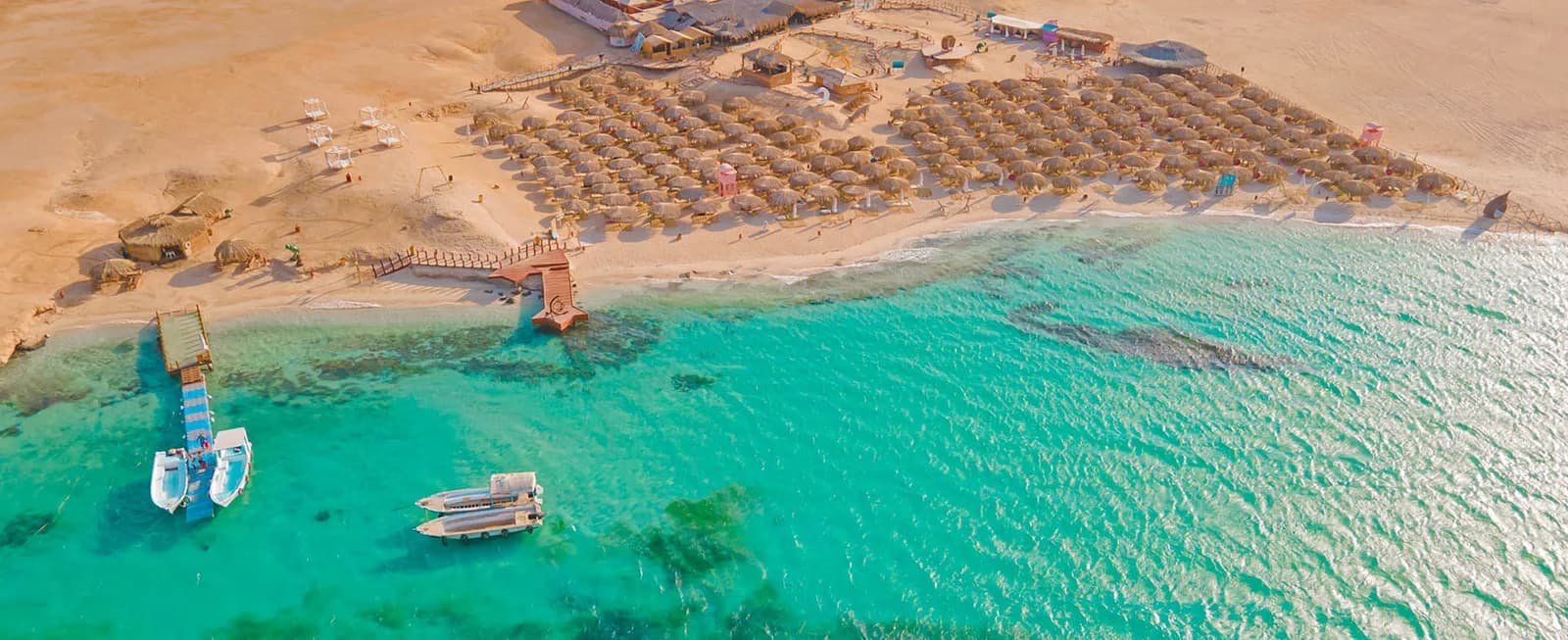
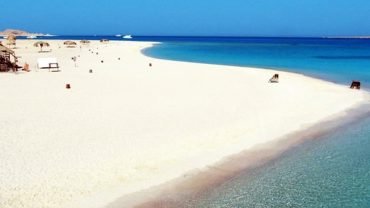
The Red Sea, particularly around destinations like Hurghada, Egypt, is renowned for its exceptional visibility and abundant marine life. The warm, clear waters are home to a diverse range of coral reefs and fish species, making it a popular destination for snorkelers and divers alike.
Snorkeling in the Red Sea offers the chance to explore vibrant coral gardens, swim alongside colorful fish, and encounter fascinating marine creatures. Furthermore, many resorts and tour operators offer snorkeling excursions to nearby reefs and islands, providing convenient access to the best snorkeling spots. For example, you can book a Mahmya Island snorkeling trip or discover the best snorkeling spots around Mahmya Island.
Moreover, the Red Sea is also home to several popular snorkeling sites, such as Dolphin House, where snorkelers can swim alongside dolphins in their natural habitat. Consider a Dolphin House Red Sea snorkeling experience or a family dolphin house snorkeling trip for an unforgettable adventure. You can book your Dolphin House snorkeling trip in Hurghada for a seamless experience.
In addition, the Red Sea offers various options for enjoying the pristine waters and marine life, including a Mahmya Island trip with lunch included or a sunset tour to Mahmya Island. A family Mahmya Island experience is also a great option for those traveling with children.
Common Misconceptions and Risks of Snorkeling
Snorkeling is generally a safe and enjoyable activity. However, there are some common misconceptions and potential risks that snorkelers should be aware of. These include underestimating the power of the sun, neglecting proper equipment maintenance, and disregarding marine life safety.
Understanding these risks and taking appropriate precautions can help ensure a safe and memorable snorkeling experience. Furthermore, it’s essential to be aware of your physical limitations and to snorkel within your comfort zone.
Addressing common myths about snorkeling
Several common myths surround snorkeling, which can lead to unsafe practices or missed opportunities. Here are some of the most prevalent misconceptions:
- Myth: Snorkeling is only for experienced swimmers. Reality: Snorkeling is accessible to people of all swimming abilities, especially with the use of flotation devices.
- Myth: You don’t need sunscreen while snorkeling. Reality: The sun’s rays are amplified by the water, making sunscreen essential.
- Myth: All snorkeling gear is the same. Reality: Gear quality and fit significantly impact comfort and performance.
- Myth: You can touch or interact with marine life. Reality: Touching marine life can harm both the animals and the coral reefs.
Thus, debunking these myths can help snorkelers make informed decisions and enjoy a safer, more responsible experience. Moreover, educating yourself about snorkeling best practices is crucial for protecting both yourself and the marine environment.
Potential hazards and how to avoid them
While snorkeling is generally safe, there are potential hazards to be aware of:
- Sunburn: Protect your skin with sunscreen, a rash guard, and a hat.
- Dehydration: Drink plenty of water before, during, and after snorkeling.
- Jellyfish Stings: Wear a rash guard or wetsuit to protect yourself from stings.
- Strong Currents: Be aware of currents and avoid snorkeling in areas with strong flow.
- Sharp Coral: Avoid touching or standing on coral to prevent cuts and injuries.
Therefore, by being aware of these potential hazards and taking appropriate precautions, you can minimize your risk of injury and enjoy a safe snorkeling experience. In addition, always snorkel with a buddy and inform someone of your plans.
Tips for an Unforgettable Snorkeling Experience
To make the most of your snorkeling adventure, consider these tips. Start by planning ahead and researching your destination. Next, practice proper snorkeling techniques and familiarize yourself with your gear. Finally, respect the marine environment and follow responsible snorkeling practices.
By following these guidelines, you can create lasting memories and contribute to the preservation of these incredible ecosystems. Furthermore, remember to be mindful of your impact on the environment and to leave only footprints behind.
Planning your snorkeling trip
Careful planning is essential for a successful snorkeling trip. Consider these factors when planning your adventure:
- Destination: Research different snorkeling destinations and choose one that suits your interests and skill level.
- Time of Year: Consider the weather conditions and water temperature when planning your trip.
- Accommodation: Choose accommodation that is close to snorkeling sites or offers convenient access to tours and excursions.
- Equipment: Ensure you have the necessary gear or arrange for rentals at your destination.
- Budget: Plan your budget to cover accommodation, transportation, equipment rentals, and tours.
Thus, thorough planning will help you avoid unexpected issues and ensure a smooth and enjoyable snorkeling trip. Moreover, consider booking tours and accommodations in advance, especially during peak season.
Mastering snorkeling techniques for beginners
If you’re new to snorkeling, mastering basic techniques can greatly enhance your experience:
- Breathing: Practice breathing through your snorkel before entering the water.
- Clearing Your Mask: Learn how to clear water from your mask by exhaling through your nose.
- Clearing Your Snorkel: Practice clearing water from your snorkel by exhaling forcefully.
- Finning: Use your fins to propel yourself through the water, keeping your movements smooth and efficient.
- Equalizing Pressure: Equalize the pressure in your ears by pinching your nose and gently blowing.
Therefore, practicing these techniques in a shallow, calm area before venturing into deeper water will help you feel more comfortable and confident. In addition, consider taking a snorkeling lesson from a certified instructor.
 Respecting marine life and the environment
Protecting the marine environment is crucial for preserving the beauty and biodiversity of snorkeling destinations. Follow these responsible snorkeling practices:
- Avoid Touching Coral: Coral is fragile and can be easily damaged by contact.
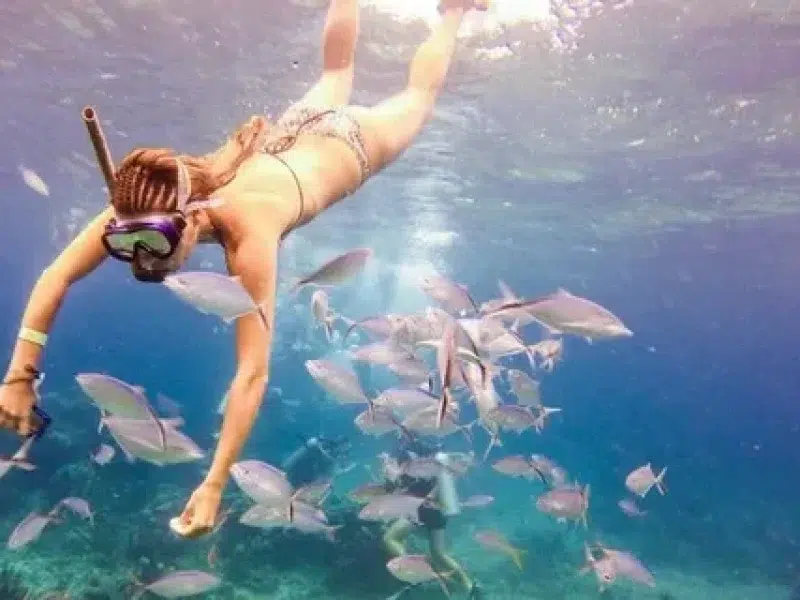
- Don’t Feed the Fish: Feeding fish can disrupt their natural feeding habits and harm the ecosystem.
- Use Reef-Safe Sunscreen: Traditional sunscreens contain chemicals that can damage coral reefs.
- Dispose of Trash Properly: Pack out all trash and avoid littering.
- Respect Marine Life: Observe marine life from a distance and avoid disturbing their natural behavior.
Thus, by following these guidelines, you can minimize your impact on the marine environment and help ensure its long-term health. Moreover, consider supporting local conservation efforts and promoting sustainable tourism practices.
Frequently asked questions about Snorkeling paradise island
What exactly defines a Snorkeling paradise island?
A Snorkeling paradise island is a location with clear waters, vibrant marine life, and easily accessible coral reefs. It provides an ideal environment for snorkelers of all skill levels to explore the underwater world.
What essential gear do I need for snorkeling?
The essential gear includes a well-fitting mask, a comfortable snorkel, and fins that provide good propulsion. Additional items like a rash guard and reef-safe sunscreen are also recommended for comfort and protection.
How can I choose the right snorkeling mask?
Select a mask that creates a watertight seal around your face and has a low volume for easier clearing. Ensure the strap is adjustable and comfortable to wear for extended periods.
What are some top Snorkeling paradise island destinations?
Some of the top destinations include the Maldives, the Great Barrier Reef, and the Red Sea. These locations are known for their clear waters, diverse marine life, and accessible snorkeling sites.
Is snorkeling safe for beginners?
Yes, snorkeling is generally safe for beginners, especially in calm, shallow waters. Using flotation devices and taking a snorkeling lesson can further enhance safety and comfort.
How can I protect marine life while snorkeling?
Avoid touching coral or marine animals, use reef-safe sunscreen, and never feed the fish. Dispose of trash properly and respect the natural behavior of marine life.
What should I do if water gets into my mask or snorkel?
To clear your mask, tilt your head back and exhale gently through your nose. To clear your snorkel, exhale forcefully to blow the water out of the tube.
How can I prevent sunburn while snorkeling?
Apply reef-safe sunscreen liberally before snorkeling, wear a rash guard or wetsuit, and limit your time in direct sunlight. Reapply sunscreen regularly, especially after swimming.
What are the signs of a dangerous current while snorkeling?
Signs of a dangerous current include strong, localized water movement, difficulty swimming against the current, and changes in water depth or visibility. If you encounter a strong current, swim parallel to the shore until you are out of the current’s path.
Can I snorkel if I wear glasses?
Yes, you can snorkel if you wear glasses by using a prescription mask or wearing contact lenses. Prescription masks are available from many dive shops and optical stores.
Ready to Experience This in Person?
Book the official Paradise Island Trip Hurghada with Hurghada Sun Seekers. Enjoy guaranteed best local prices, hotel transfers, and flexible free cancellation.
Conclusion
A snorkeling paradise island offers an unparalleled opportunity to explore the wonders of the underwater world. By understanding the key characteristics of these destinations, choosing the right gear, and following responsible snorkeling practices, you can create an unforgettable experience.
So, plan your next snorkeling adventure today and discover the beauty that lies beneath the surface. Remember to respect the marine environment and leave only footprints behind, ensuring these paradises remain pristine for generations to come.
Comment (0)