

snorkeling in Hurghada in winter: 7 Best Powerful Tips 2024
Snorkeling in Hurghada in winter offers an exceptional opportunity to explore the Red Sea’s rich marine biodiversity under comfortable conditions. The Red Sea maintains pleasant water temperatures even during the cooler months, making it an ideal destination for underwater exploration. This period avoids the intense summer heat, enhancing the overall experience for visitors.
snorkeling in Hurghada in winter: Why It’s the Ideal Season
Many travelers wonder about the viability of snorkeling in Hurghada in winter, often assuming colder conditions might deter marine activity or make the experience uncomfortable. However, the winter months, typically from November to March, present a unique set of advantages for Red Sea snorkeling. The air temperatures are considerably milder than the scorching summer, averaging around 20-25°C (68-77°F), which is perfect for sunbathing and boat trips without overheating.
Furthermore, the Red Sea’s water temperature remains remarkably consistent, usually staying between 22-25°C (72-77°F) even in the heart of winter. This warmth is largely due to the sea’s enclosed nature and its geological characteristics. Consequently, this makes it very comfortable for extended periods in the water, even without a wetsuit for most people. The absence of extreme heat also means clearer skies and calmer seas, providing excellent visibility for observing the vibrant coral reefs and diverse marine life.
Benefits of Winter Snorkeling in Hurghada
Choosing winter for your snorkeling trip brings several distinct benefits. Firstly, the tourist crowds are generally thinner compared to the peak summer season, leading to a more serene and less congested experience at popular snorkeling sites. Secondly, the cooler air temperatures make the entire day trip, including time spent on the boat, much more enjoyable. Lastly, the marine life remains active and abundant year-round, offering spectacular sights of colorful fish, turtles, and sometimes even dolphins.
- Milder air temperatures for comfortable boat trips and sunbathing.
- Consistently warm water temperatures, ideal for prolonged snorkeling.
- Reduced tourist crowds at popular snorkeling locations.
- Excellent underwater visibility due to calmer sea conditions.
- Active and diverse marine life throughout the winter.
Choosing the Right Snorkeling Tour and Equipment
Selecting an appropriate snorkeling tour is crucial for a memorable experience, especially when snorkeling in Hurghada in winter. Look for reputable operators who prioritize safety, provide well-maintained equipment, and have experienced guides. Many tours offer full-day excursions that include multiple snorkeling stops, lunch on board, and often opportunities for other water activities. Consider private snorkeling boat Hurghada options for a more personalized experience, allowing you to dictate the pace and choose less crowded spots. This can significantly enhance your enjoyment and allow for more intimate encounters with marine life.
Regarding equipment, most tour operators provide masks, snorkels, and fins. However, if you have your own high-quality gear, bringing it ensures a comfortable and familiar fit. For winter snorkeling, a shorty wetsuit (3mm thickness) can be beneficial, especially if you tend to get cold easily or plan for extended periods in the water. While the water is warm, the air temperature difference can make exiting the water feel chilly. Always check that the provided equipment is clean and fits properly before heading out.
Essential Gear and Tour Considerations
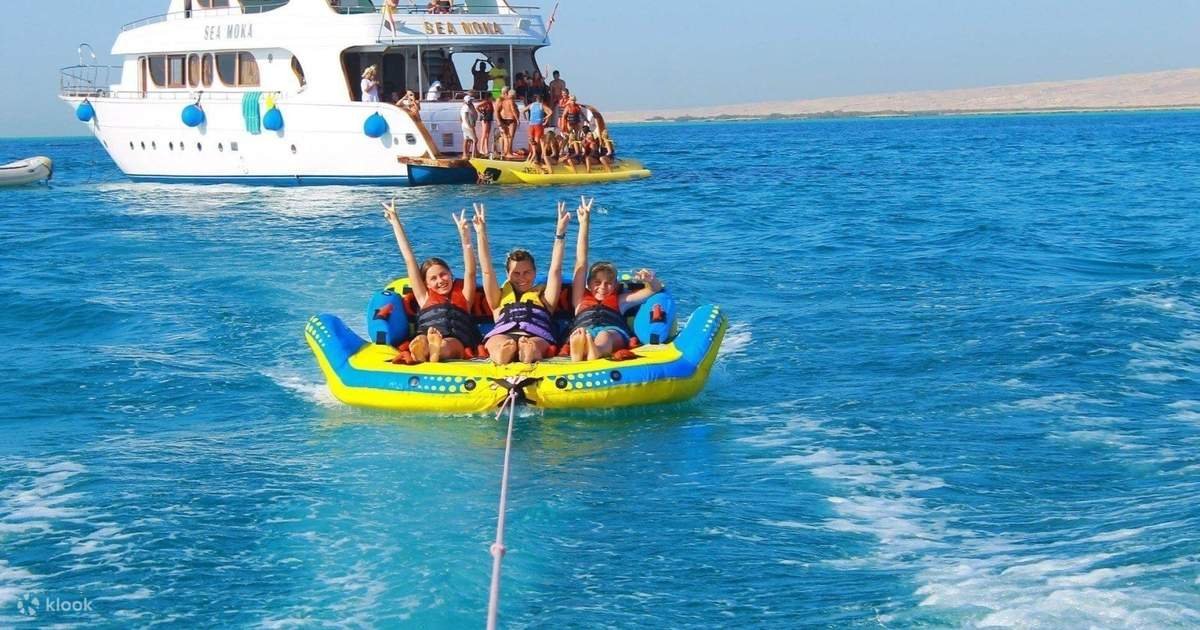
When booking your tour, inquire about inclusions such as lunch, drinks, and transfer services. Some tours might offer additional activities like introductory dives or banana boat rides. For those seeking a comprehensive experience, consider tours that visit Giftun Island or Orange Bay, known for their pristine beaches and excellent snorkeling conditions. Always confirm the tour’s itinerary and what to expect. This ensures there are no surprises and that your expectations align with the offering. Furthermore, remember to pack essentials like sunscreen, a hat, sunglasses, and a towel.
- Research tour operators for safety records and positive reviews.
- Consider a private boat for a tailored snorkeling experience.
- Ensure provided equipment is clean, functional, and fits well.
- Pack a shorty wetsuit for added warmth if needed.
- Confirm tour inclusions and itinerary before booking.
Top Snorkeling Spots During Winter Months
Hurghada boasts an array of incredible snorkeling sites, and many of them remain spectacular for snorkeling in Hurghada in winter. The calm winter seas often provide exceptional visibility, making these locations even more appealing. One of the most famous destinations is Giftun Island National Park, which encompasses several islands and reefs. Its protected status ensures a thriving ecosystem with abundant coral gardens and diverse fish species. The shallow, clear waters around Giftun are perfect for snorkelers of all skill levels.
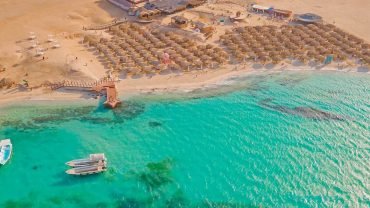
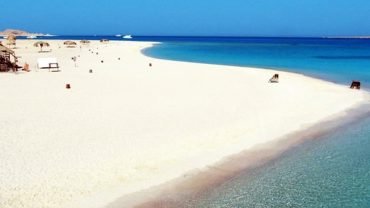
Another highly recommended spot is Orange Bay, a part of Giftun Island, renowned for its pristine white sands and turquoise waters. Here, you can combine relaxation on the beach with fantastic snorkeling just a few meters from the shore. The Magawish Island area also offers excellent opportunities, often less crowded than Giftun, providing a more tranquil experience. These sites are typically accessed via boat tours, which depart daily from Hurghada’s marinas. Exploring these areas offers a chance to witness the Red Sea’s unparalleled beauty up close.
Exploring the Red Sea’s Underwater Wonders
Beyond the well-known islands, many boat tours will take you to various offshore reefs that are teeming with marine life. Popular reef systems like Abu Ramada and Fanadir are known for their vibrant soft and hard corals, as well as an incredible variety of reef fish, including clownfish, parrotfish, and angelfish. Sometimes, lucky snorkelers might even spot larger creatures like moray eels, stingrays, or even reef sharks from a safe distance. The winter months, with their stable weather, often provide the best conditions for exploring these diverse underwater landscapes. For a broader perspective on activities, check out things to do in Hurghada in winter beyond just snorkeling.
- Giftun Island National Park for diverse coral gardens and fish.
- Orange Bay for pristine beaches and shallow, clear waters.
- Magawish Island for a quieter, less crowded experience.
- Offshore reefs like Abu Ramada and Fanadir for vibrant marine ecosystems.
- Opportunity to see a wide range of fish, and potentially turtles or rays.
Preparing for Your Winter Snorkeling Adventure
Proper preparation is key to ensuring a comfortable and enjoyable snorkeling in Hurghada in winter experience. While the water temperatures are pleasant, the air can be cooler, especially when you exit the water or if there’s a breeze on the boat. Therefore, layering your clothing is advisable. Bring a warm, dry towel and a change of clothes for after your snorkeling sessions. A windbreaker or light jacket can also be very useful on the boat ride back to shore, protecting you from any chill.
Hydration is another critical aspect, even in cooler weather. The sun’s rays can still be strong, and spending time in saltwater can contribute to dehydration. Ensure you drink plenty of water throughout the day. Sun protection is also paramount; apply high-SPF sunscreen regularly, wear a hat, and consider a rash guard for extra coverage while in the water. Remember that the sun’s reflection off the water can intensify its effects. For general travel tips, consider best excursions in Hurghada to round out your trip.
Health and Safety Considerations
Before embarking on your snorkeling trip, assess your swimming abilities and comfort level in the open water. Inform your tour guide of any medical conditions or concerns. Listen carefully to the safety briefing provided by the boat crew. Always snorkel with a buddy and stay within designated areas. If you’re prone to seasickness, consider taking medication beforehand, as boat rides can sometimes be choppy. Ensuring you are well-rested and have had a light meal before your trip can also help prevent discomfort.
- Pack layers, including a warm towel and windbreaker.
- Stay hydrated by drinking plenty of water.
- Apply high-SPF sunscreen and wear protective clothing.
- Communicate any health concerns to your tour guide.
- Always adhere to safety guidelines and snorkel with a buddy.
Common Misconceptions and Risks of Winter Snorkeling
A common misconception about snorkeling in Hurghada in winter is that the water will be too cold to enjoy. As previously mentioned, the Red Sea maintains a comfortable temperature range, often warmer than many other popular snorkeling destinations even in summer. However, the contrast between the air and water temperature can sometimes lead to a perceived chill, especially after exiting the water. This is easily mitigated with a wetsuit or by quickly drying off and putting on warm clothes. Another myth is that marine life becomes less active; in reality, the Red Sea’s ecosystem thrives year-round, offering consistent opportunities for incredible sightings.
Despite the generally calm conditions, certain risks are inherent to any water activity. Strong currents can occasionally occur, especially around certain reefs or during specific tidal changes. Always be aware of your surroundings and the boat’s location. Jellyfish can also be present, though serious stings are rare. It’s wise to wear a rash guard or wetsuit for protection against minor stings and sun exposure. Furthermore, ensure you are not touching or standing on corals, as this can damage the delicate ecosystem and potentially cause injury to yourself. Respecting the marine environment is paramount.
Mitigating Potential Challenges
To minimize risks, always choose reputable tour operators who provide clear safety instructions and have certified guides. Listen to their advice regarding currents and marine life. If you are not a strong swimmer, inform the crew, and they can provide life vests or offer assistance. Dehydration and sunburn remain significant concerns, even in winter, so proactive measures like drinking water and applying sunscreen are essential. Finally, avoid snorkeling alone and always keep an eye on weather forecasts, although winter weather in Hurghada is generally stable and sunny. For last-minute planning, consider options for last minute tour booking Hurghada.
- Water temperature is comfortable, but air temperature contrast can be felt.
- Marine life remains active and abundant in winter.
- Be aware of occasional strong currents and potential jellyfish presence.
- Never touch or stand on corals to protect yourself and the ecosystem.
- Choose reputable tour operators and follow all safety instructions.
Maximizing Your Marine Life Encounters
To truly make the most of snorkeling in Hurghada in winter, focus on enhancing your chances of encountering diverse marine life. One effective strategy is to choose tours that visit multiple, varied snorkeling sites. Different reefs and areas attract different species, so a varied itinerary increases your odds of seeing a wider array of fish, corals, and perhaps even larger creatures. Early morning tours often provide calmer waters and less boat traffic, which can lead to more active marine life behavior.
Practicing good snorkeling etiquette is also vital. Move slowly and calmly through the water, avoiding sudden movements that might scare fish away. Maintain a respectful distance from all marine creatures, and never attempt to touch or feed them. Observing marine life in its natural state is the most rewarding experience. Bringing an underwater camera can help you capture these moments without disturbing the environment. Learning a bit about the local marine species before your trip can also enrich your experience, allowing you to identify what you see.
Best Practices for Underwater Observation
Consider investing in a good quality mask that fits your face well to ensure clear vision and prevent fogging. Anti-fog spray can be a valuable addition. If you have prescription glasses, a prescription mask can be a game-changer. Furthermore, familiarize yourself with proper breathing techniques through the snorkel to conserve energy and stay relaxed in the water. The more comfortable and relaxed you are, the longer you can enjoy your time observing the underwater world. Remember that patience often leads to the most incredible sightings. The Red Sea is a UNESCO World Heritage site candidate, highlighting its ecological importance. More information can be found on the UNESCO website.
- Select tours visiting diverse snorkeling locations.
- Opt for early morning tours for calmer conditions and active marine life.
- Practice calm, slow movements in the water.
- Maintain a respectful distance from all marine creatures.
- Use an underwater camera to capture moments responsibly.
Frequently asked questions about snorkeling in Hurghada in winter
Is the water cold for snorkeling in Hurghada in winter?
No, the Red Sea water temperature in Hurghada during winter (November-March) typically ranges from 22-25°C (72-77°F), which is quite comfortable for snorkeling. Many people find it warm enough without a wetsuit, though a shorty can add extra comfort.
What marine life can I expect to see while snorkeling in Hurghada in winter?
You can expect to see a rich variety of marine life, including colorful reef fish like clownfish, parrotfish, and angelfish, as well as vibrant coral formations. Lucky snorkelers might also spot sea turtles, stingrays, or even small reef sharks.
Do I need a wetsuit for snorkeling in Hurghada in winter?
While not strictly necessary for everyone due to the warm water, a 3mm shorty wetsuit is recommended for those who get cold easily or plan to spend extended periods in the water. It also offers sun protection and a barrier against minor stings.
Are there many tourists for snorkeling in Hurghada during winter?
Winter generally sees fewer tourist crowds compared to the peak summer season. This often results in a more relaxed and less congested snorkeling experience at popular sites, allowing for better enjoyment of the marine environment.
What are the best snorkeling spots in Hurghada in winter?
Top spots include Giftun Island National Park, Orange Bay, and the Magawish Island area. Offshore reefs like Abu Ramada and Fanadir also offer exceptional visibility and diverse marine ecosystems during the winter months.
What should I bring for a winter snorkeling trip in Hurghada?
Bring sunscreen, a hat, sunglasses, a warm towel, a change of clothes, and a windbreaker or light jacket for the boat ride. Staying hydrated is also crucial, so ensure you have plenty of water.
Is it safe to snorkel in Hurghada in winter?
Yes, it is generally safe. Always choose reputable tour operators, listen to safety briefings, and snorkel with a buddy. Be aware of currents and avoid touching marine life. The calm winter seas often enhance safety and visibility.
Ready to Experience This in Person?
Book the official Red Sea Coral Reef Snorkeling Tour with Lunch with Hurghada Sun Seekers. Enjoy guaranteed best local prices, hotel transfers, and flexible free cancellation.
For additional regional information and Red Sea marine conservation guidelines, refer to the Hurghada guide on Wikipedia.
Conclusion
Snorkeling in Hurghada in winter provides an unparalleled opportunity to explore the Red Sea’s vibrant underwater world in comfortable conditions. The mild air temperatures and consistently warm waters create an ideal environment for marine enthusiasts. By choosing the right tour, preparing appropriately, and respecting the marine ecosystem, visitors can enjoy a truly memorable adventure.
Don’t let the season deter you; Hurghada’s winter offers clear waters, abundant marine life, and fewer crowds. Plan your trip today and discover the magic of the Red Sea!
Comment (0)