

Hurghada coral reef tours: 7 Advanced, Effective Options
Hurghada coral reef tours offer unparalleled access to the Red Sea’s vibrant underwater ecosystems. These excursions typically involve boat trips to prime snorkeling and diving spots, allowing participants to observe diverse marine life. They are designed for various skill levels, from beginners to experienced divers.
These tours provide a unique opportunity to witness the rich biodiversity that thrives within Hurghada’s protected reef systems. Participants can expect guided experiences that prioritize safety and ecological awareness. This ensures a memorable and responsible encounter with nature.
Exploring the Best Hurghada Coral Reef Tours
Exploring the best Hurghada coral reef tours involves understanding the various options available to visitors. These tours cater to different preferences, from leisurely snorkeling trips to more adventurous diving expeditions. Many tours depart daily from Hurghada’s marinas, heading to renowned spots like Giftun Island or the Straits of Gubal.
The Red Sea’s coral reefs are globally recognized for their exceptional beauty and biodiversity. Consequently, selecting a tour that aligns with your interests and experience level is crucial. Operators often provide packages that include transportation, equipment, and professional guides. This ensures a comprehensive and enjoyable experience for all participants.
Popular Reef Destinations
Several locations near Hurghada are celebrated for their pristine coral reefs. These sites offer diverse underwater landscapes and abundant marine life. Popular choices include:
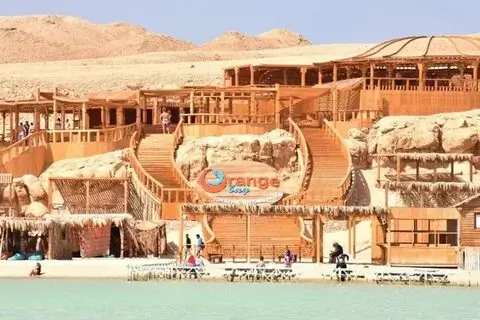
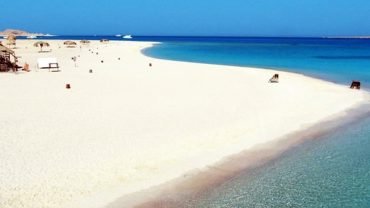
- Giftun Island: Known for its white sandy beaches and shallow reefs, ideal for snorkelers.
- Magawish Island: Offers deeper dives and a chance to see larger pelagic species.
- Abu Ramada Island: Features stunning coral gardens and frequent sightings of reef sharks.
- El Fanadir: A long, narrow reef wall providing excellent drift diving opportunities.
Each destination presents unique characteristics, making it worthwhile to research before booking. Consider the type of marine life you wish to encounter and the water conditions. For those interested in more specialized experiences, Hurghada marine life tours often focus on specific species or ecological aspects.
Types of Coral Reef Tours Available
Hurghada offers a wide array of coral reef tours, each designed to provide a distinct experience of the Red Sea’s underwater wonders. Understanding these variations helps visitors choose the most suitable option for their vacation. From half-day excursions to full-day adventures, the choices are plentiful and diverse.
For instance, some tours focus primarily on snorkeling, offering easy access to shallow reefs and vibrant fish. Other tours are tailored for certified divers, exploring deeper wrecks and more complex reef structures. Furthermore, family-friendly options often include glass-bottom boat rides or semi-submarine experiences, allowing non-swimmers to enjoy the marine environment.
Snorkeling vs. Diving Excursions
The primary distinction among Hurghada coral reef tours lies between snorkeling and diving. Snorkeling tours are accessible to almost everyone, requiring minimal equipment and no prior experience. Participants float on the surface, observing the reef from above. This is an excellent introduction to the Red Sea’s beauty.
Conversely, diving excursions, including cheap diving trips Hurghada coral reef, cater to certified divers or those undertaking introductory dives under strict supervision. Diving allows for a more immersive experience, exploring the intricate details of the coral formations and encountering marine life up close. Operators provide all necessary gear, including wetsuits, masks, fins, and oxygen tanks. Safety briefings and professional guidance are standard on all reputable diving tours.
Glass-Bottom Boats and Semi-Submarines
For individuals who prefer to stay dry, glass-bottom boat tours and semi-submarines offer an excellent alternative. These vessels feature large viewing panels below the waterline, providing panoramic views of the coral reefs and their inhabitants. They are particularly popular with families, young children, and those who may not be comfortable with swimming or diving.
These tours typically last a few hours and often include educational commentary about the marine ecosystem. They present a comfortable and accessible way to appreciate the beauty of the Hurghada coral reef tours without getting wet. Many Hurghada tours for families incorporate these options.
Essential Gear and Safety Protocols
Participating in Hurghada coral reef tours necessitates adherence to specific gear requirements and strict safety protocols. These measures are in place to ensure the well-being of all participants and to protect the delicate marine environment. Tour operators prioritize safety, making it a cornerstone of their services.
Before any excursion, a comprehensive briefing is typically conducted, covering emergency procedures and equipment usage. This preparation is vital for both novice and experienced adventurers. Furthermore, guides are trained in first aid and rescue techniques, adding an extra layer of security.
Required Equipment for Snorkeling and Diving
For snorkeling, essential gear includes a mask, snorkel, and fins. A life vest is often provided and recommended, especially for less confident swimmers. Many tour operators supply these items, but bringing your own ensures a comfortable fit and hygiene. For diving, the equipment list expands to include a wetsuit, buoyancy control device (BCD), regulator, and air tank. All diving gear is meticulously maintained and inspected regularly.
- Mask: Ensures clear underwater vision.
- Snorkel: Allows breathing while face down in the water.
- Fins: Aids propulsion and maneuverability.
- Life Vest/BCD: Provides buoyancy control and safety.
- Wetsuit: Offers thermal protection and reduces abrasion.
Safety Briefings and Environmental Guidelines
Every Hurghada coral reef tour begins with a detailed safety briefing. This covers crucial information such as hand signals for divers, emergency procedures, and guidelines for interacting with marine life. Participants are explicitly instructed not to touch, stand on, or remove anything from the coral reefs. This protects the fragile ecosystem.
Moreover, responsible tourism practices are emphasized. This includes proper waste disposal and avoiding the use of harmful sunscreens that can damage corals. Adhering to these guidelines helps preserve the natural beauty of the Red Sea for future generations. Many operators align with international standards set by organizations like the World Wildlife Fund (WWF) for sustainable marine tourism. The WWF provides valuable insights into marine conservation.
Understanding Marine Conservation Efforts
Understanding marine conservation efforts is paramount when engaging in Hurghada coral reef tours. The Red Sea is a globally significant marine biodiversity hotspot, making its preservation a critical concern. These efforts involve a multi-faceted approach, combining governmental regulations, local initiatives, and responsible tourism practices.
The delicate balance of the coral reef ecosystem is constantly under threat from climate change, pollution, and unsustainable tourism. Therefore, tour operators and visitors alike play a crucial role in mitigating these impacts. Awareness and adherence to conservation guidelines ensure the long-term health of these invaluable natural resources.
Protected Areas and Regulations
Many of Hurghada’s coral reefs fall within designated protected areas, such as the Giftun Island National Park. These areas are subject to strict regulations designed to safeguard marine life and coral formations. Rules include prohibitions on fishing, anchoring in sensitive areas, and collecting marine specimens. Enforcement is crucial for their effectiveness.
Furthermore, limits on visitor numbers in certain zones help reduce human impact. These regulations are periodically reviewed and updated based on scientific research and ecological monitoring. Visitors are encouraged to inquire about the conservation practices of their chosen tour operator. This helps support responsible tourism.
Role of Responsible Tourism
Responsible tourism is a cornerstone of marine conservation in Hurghada. Tour operators are increasingly adopting eco-friendly practices, such as using mooring buoys instead of dropping anchors, educating guests about marine etiquette, and minimizing waste. Visitors can contribute by choosing operators committed to sustainability.
Additionally, avoiding contact with corals, refraining from feeding fish, and disposing of litter properly are simple yet effective ways to protect the reef. Supporting local conservation projects or participating in beach clean-ups can also make a significant difference. These collective actions ensure that the vibrant ecosystems of the Hurghada coral reef tours remain intact for years to come.
Common Misconceptions About Reef Tours
Despite their popularity, several common misconceptions surround Hurghada coral reef tours. Addressing these can help visitors set realistic expectations and make informed decisions. Many of these misunderstandings stem from a lack of detailed information or anecdotal experiences.
For instance, some believe that all tours offer identical experiences, which is far from the truth. Others might underestimate the importance of safety protocols or the fragility of the marine environment. Clarifying these points enhances the overall experience and promotes responsible tourism practices.
Myth: All Tours Are Identical
A prevalent misconception is that all Hurghada coral reef tours are essentially the same. In reality, there is significant variation in quality, duration, and focus. Some tours are budget-friendly and offer basic snorkeling, while others are premium experiences with certified dive instructors, gourmet meals, and multiple stops at diverse reef sites.
Factors like boat size, equipment quality, guide experience, and the specific reef locations visited can drastically alter the experience. Therefore, it is essential to research and compare options rather than assuming uniformity. Reading reviews and checking operator credentials, perhaps on platforms like Hurghada Trip Advisor tours, can provide valuable insights.
Myth: Reefs Are Indestructible
Another common but dangerous misconception is that coral reefs are robust and can withstand human interaction. Coral reefs are incredibly fragile ecosystems, highly susceptible to damage from physical contact, pollution, and climate change. Even a light touch can harm delicate coral polyps, leading to disease or death.
This fragility underscores the importance of strict guidelines against touching or standing on corals. Education about reef etiquette is a critical component of responsible Hurghada coral reef tours. Understanding this vulnerability helps foster a greater appreciation and commitment to conservation among visitors. It’s not just about seeing the beauty; it’s about preserving it.
Choosing the Right Tour Operator
Choosing the right tour operator for your Hurghada coral reef tours is crucial for a safe, enjoyable, and environmentally responsible experience. The market offers numerous options, making it important to consider several factors beyond just price. A reputable operator enhances your trip significantly.
Prioritizing safety, environmental responsibility, and customer service ensures a memorable adventure. Furthermore, a good operator will provide clear communication and comprehensive support throughout your booking and tour. This attention to detail reflects their commitment to quality.
Key Considerations for Selection
When selecting a tour operator, evaluate their safety record and certifications. Ensure they adhere to international diving and boating safety standards. Check if their equipment is well-maintained and regularly inspected. Reading customer reviews on independent platforms can offer insights into their service quality and reliability.
- Safety Certifications: Look for PADI, SSI, or equivalent certifications for diving.
- Equipment Quality: Ensure gear is modern and well-maintained.
- Environmental Practices: Choose operators committed to marine conservation.
- Guide Experience: Experienced guides enhance safety and educational value.
- Customer Reviews: Provide honest feedback on service and experience.
Additionally, consider the tour’s itinerary and what is included in the price. Some operators offer all-inclusive packages, while others may have hidden costs. For those looking for convenience, Hurghada direct booking tours can simplify the process.
What to Expect from a Reputable Operator
A reputable Hurghada coral reef tours operator will provide clear communication from the outset, detailing what to expect, what to bring, and any specific requirements. They will offer comprehensive safety briefings and ensure all participants are comfortable with the equipment and procedures. Their guides will be knowledgeable about the local marine life and conservation efforts, enriching the educational aspect of the tour.
Furthermore, a good operator will have contingency plans for unforeseen circumstances, such as adverse weather conditions. They will prioritize customer satisfaction and be responsive to feedback. Ultimately, choosing a trusted operator ensures not only an incredible underwater adventure but also peace of mind. For diverse options, consider exploring Viator Hurghada tours.
Frequently asked questions about Hurghada coral reef tours
What are the best times of year for Hurghada coral reef tours?
The best time for Hurghada coral reef tours is typically from March to May and September to November. During these periods, the weather is pleasant, and the water temperatures are ideal for snorkeling and diving. Visibility is generally excellent, enhancing the underwater experience.
Do I need to be an experienced swimmer for snorkeling tours?
No, you do not need to be an experienced swimmer for most snorkeling tours. Life vests are provided, and guides offer assistance to ensure everyone feels safe and comfortable. Basic swimming ability is helpful, but not strictly required for surface snorkeling.
Can children participate in Hurghada coral reef tours?
Yes, many Hurghada coral reef tours are family-friendly and suitable for children. Operators often provide smaller equipment sizes and offer options like glass-bottom boats or semi-submarines. Always check age restrictions and specific tour suitability with the operator beforehand.
What marine life can I expect to see on these tours?
On Hurghada coral reef tours, you can expect to see a diverse array of marine life. This includes colorful reef fish like clownfish and angelfish, various types of corals, sea turtles, rays, and sometimes even small reef sharks. The Red Sea is renowned for its rich biodiversity.
Are there any environmental rules I should follow?
Yes, strict environmental rules are in place to protect the fragile coral reefs. You must not touch, stand on, or collect any coral or marine life. Avoid littering and use reef-safe sunscreen if possible. Adhering to these rules helps preserve the ecosystem.
How long do Hurghada coral reef tours typically last?
The duration of Hurghada coral reef tours varies. Half-day tours usually last around 3-4 hours, while full-day excursions can extend to 6-8 hours. Full-day tours often include multiple snorkeling or diving stops and a meal on board.
Is food and drink usually included in the tour price?
For full-day Hurghada coral reef tours, lunch and drinks are often included in the price. Half-day tours might only include beverages. Always confirm what is covered in your specific tour package when booking to avoid surprises.
{
“@context”: “https://schema.org”,
“@type”: “FAQPage”,
“mainEntity”: [
{
“@type”: “Question”,
“name”: “What are the best times of year for Hurghada coral reef tours?”,
“acceptedAnswer”: { “@type”: “Answer”, “text”: “The best time for Hurghada coral reef tours is typically from March to May and September to November. During these periods, the weather is pleasant, and the water temperatures are ideal for snorkeling and diving. Visibility is generally excellent, enhancing the underwater experience.” }
},
{
“@type”: “Question”,
“name”: “Do I need to be an experienced swimmer for snorkeling tours?”,
“acceptedAnswer”: { “@type”: “Answer”, “text”: “No, you do not need to be an experienced swimmer for most snorkeling tours. Life vests are provided, and guides offer assistance to ensure everyone feels safe and comfortable. Basic swimming ability is helpful, but not strictly required for surface snorkeling.” }
},
{
“@type”: “Question”,
“name”: “Can children participate in Hurghada coral reef tours?”,
“acceptedAnswer”: { “@type”: “Answer”, “text”: “Yes, many Hurghada coral reef tours are family-friendly and suitable for children. Operators often provide smaller equipment sizes and offer options like glass-bottom boats or semi-submarines. Always check age restrictions and specific tour suitability with the operator beforehand.” }
},
{
“@type”: “Question”,
“name”: “What marine life can I expect to see on these tours?”,
“acceptedAnswer”: { “@type”: “Answer”, “text”: “On Hurghada coral reef tours, you can expect to see a diverse array of marine life. This includes colorful reef fish like clownfish and angelfish, various types of corals, sea turtles, rays, and sometimes even small reef sharks. The Red Sea is renowned for its rich biodiversity.” }
},
{
“@type”: “Question”,
“name”: “Are there any environmental rules I should follow?”,
“acceptedAnswer”: { “@type”: “Answer”, “text”: “Yes, strict environmental rules are in place to protect the fragile coral reefs. You must not touch, stand on, or collect any coral or marine life. Avoid littering and use reef-safe sunscreen if possible. Adhering to these rules helps preserve the ecosystem.” }
},
{
“@type”: “Question”,
“name”: “How long do Hurghada coral reef tours typically last?”,
“acceptedAnswer”: { “@type”: “Answer”, “text”: “The duration of Hurghada coral reef tours varies. Half-day tours usually last around 3-4 hours, while full-day excursions can extend to 6-8 hours. Full-day tours often include multiple snorkeling or diving stops and a meal on board.” }
},
{
“@type”: “Question”,
“name”: “Is food and drink usually included in the tour price?”,
“acceptedAnswer”: { “@type”: “Answer”, “text”: “For full-day Hurghada coral reef tours, lunch and drinks are often included in the price. Half-day tours might only include beverages. Always confirm what is covered in your specific tour package when booking to avoid surprises.” }
}
]
}
For additional regional information and Red Sea marine conservation guidelines, refer to the Hurghada guide on Wikipedia.
Ready to Experience This in Person?
Book the official Red Sea Coral Reef Snorkeling Tour with Lunch with Hurghada Sun Seekers. Enjoy guaranteed best local prices, hotel transfers, and flexible free cancellation.
Conclusion
Hurghada coral reef tours offer an incredible opportunity to explore the stunning underwater world of the Red Sea. By understanding the various tour types, adhering to safety protocols, and supporting conservation efforts, visitors can ensure a rewarding and responsible experience. These tours provide unique insights into marine biodiversity.
Choose a reputable operator, prepare adequately, and immerse yourself in the vibrant ecosystems that make Hurghada a premier destination for marine adventures. Start planning your unforgettable Hurghada coral reef tour today!
Comment (0)