

Grand Egyptian Museum vs Egyptian Museum: 7 Complete Perfect Insights
The Grand Egyptian Museum vs Egyptian Museum comparison highlights two distinct institutions: the historic Egyptian Museum in Tahrir Square and the modern Grand Egyptian Museum (GEM) near the Giza Pyramids. The GEM is the new flagship, designed to house Egypt’s most prized artifacts, including the complete Tutankhamun collection, offering an advanced visitor experience.
Grand Egyptian Museum vs Egyptian Museum: A Comprehensive Overview
Understanding the Grand Egyptian Museum vs Egyptian Museum distinction is crucial for anyone planning to explore Egypt’s rich history. The Egyptian Museum, often referred to as the Museum of Egyptian Antiquities, has served as the primary repository for ancient Egyptian artifacts since its inauguration in 1902. It is located in the heart of Cairo, specifically in Tahrir Square, making it a central and easily accessible landmark for over a century. Conversely, the Grand Egyptian Museum (GEM), also known as the Giza Museum, represents a new era in museology. Situated on a sprawling 120-acre plot near the Giza Pyramids, it is poised to become the largest archaeological museum in the world. This ambitious project aims to provide a more comprehensive and technologically advanced exhibition space for Egypt’s unparalleled collection of antiquities. The transition of artifacts from the old museum to the new one has been a monumental undertaking, signifying a shift in how Egypt presents its heritage to the global audience. Many visitors embarking on a Cairo museum tour from Hurghada will now prioritize the GEM.
Key Differences in Purpose
The original Egyptian Museum was built at a time when archaeological discoveries were rapidly expanding, and there was an urgent need to house and protect these treasures. Its design reflects early 20th-century museum practices, with dense displays and less emphasis on contextual presentation. Therefore, it served primarily as a storage and display facility.
- The GEM, however, is designed with modern conservation science and visitor engagement in mind.
- It focuses on creating immersive experiences, utilizing advanced technology to tell the stories behind the artifacts.
- Its purpose extends beyond mere display to education, research, and cultural preservation on a grand scale.
Historical Significance and Architectural Design
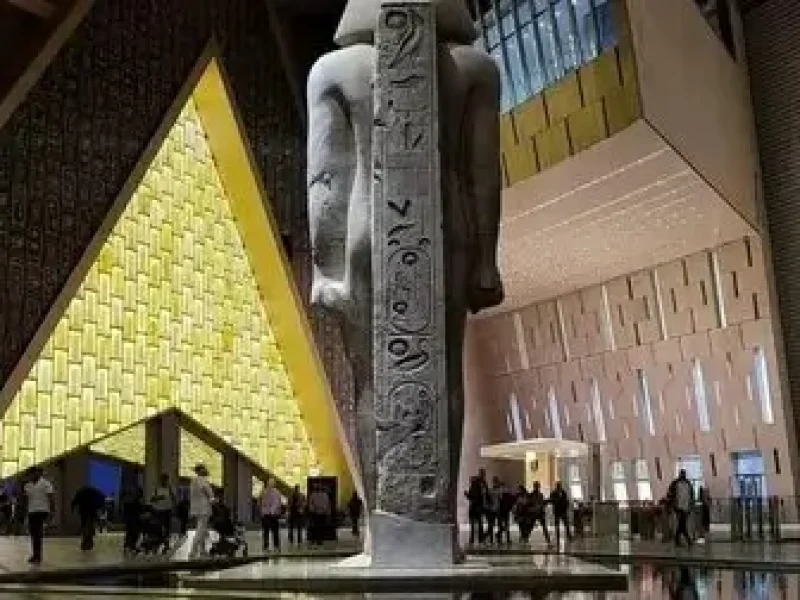
The historical significance of the Egyptian Museum in Tahrir Square cannot be overstated. For decades, it was the world’s window into ancient Egypt, housing iconic pieces like the golden mask of Tutankhamun and the Royal Mummies. Its neoclassical architecture, designed by French architect Marcel Dourgnon, became synonymous with Egyptian archaeology. The building itself is a historical artifact, having witnessed pivotal moments in modern Egyptian history, including the 2011 revolution. Its dense, chronological layout allowed for an unparalleled concentration of artifacts, albeit sometimes overwhelming for visitors. In contrast, the Grand Egyptian Museum’s architectural design is a bold statement of modernity and ambition. Designed by Heneghan Peng Architects, its striking translucent stone facade and vast open spaces are intended to complement the nearby Giza Pyramids. The design incorporates natural light and panoramic views of the pyramids, creating a direct visual link between the museum’s contents and their original context. This intentional connection aims to enhance the visitor’s understanding of ancient Egyptian civilization. The scale of the GEM is immense, reflecting its role as a global cultural landmark. Furthermore, the construction process has involved cutting-edge engineering and meticulous planning, making it a marvel of contemporary architecture. This modern approach offers a stark contrast to the traditional design of its predecessor, providing a fresh perspective on Egypt’s ancient wonders. The sheer size and scope are often highlighted in discussions regarding the Grand Egyptian Museum vs Egyptian Museum.
Architectural Philosophy
The Tahrir Museum’s design emphasized utility and capacity, reflecting the urgency of protecting newly unearthed treasures. Its layout, with numerous galleries and display cases, prioritized the sheer volume of artifacts. This approach, while effective for preservation, often led to crowded exhibitions and limited contextual information for individual pieces.
- The GEM’s philosophy is rooted in creating a seamless narrative.
- It prioritizes space, light, and technology to guide visitors through Egypt’s history.
- The design aims to reduce visual clutter, allowing individual artifacts to command attention and tell their stories more effectively.
Collection Focus and Exhibition Strategies
The Egyptian Museum in Tahrir Square, while historically significant, faced limitations in terms of space and modern exhibition techniques. Its vast collection, estimated at over 120,000 items, was often displayed in a traditional, cabinet-style manner. This meant that artifacts were grouped by type or chronology, with limited interpretive materials. While impressive in its sheer volume, this approach could sometimes make it challenging for visitors to grasp the broader narratives or the significance of individual pieces. The museum’s most famous exhibits, such as the treasures of Tutankhamun, were housed in dedicated sections, but even these often felt constrained by the building’s infrastructure. The Grand Egyptian Museum, on the other hand, boasts a collection focus that is both expansive and deeply curated. Its flagship exhibit is the complete collection of Tutankhamun’s treasures, displayed together for the first time since their discovery. This alone represents a monumental shift in exhibition strategy, allowing for a comprehensive understanding of the boy king’s life and afterlife. Beyond Tutankhamun, the GEM employs thematic galleries, interactive displays, and state-of-the-art conservation facilities. The goal is to present artifacts not just as objects, but as windows into ancient Egyptian society, beliefs, and daily life. This modern approach aims to engage visitors on a deeper intellectual and emotional level, offering a richer and more informative experience. The distinction in collection presentation is a primary differentiator when considering the Grand Egyptian Museum vs Egyptian Museum. Exploring these collections is often a highlight for those on Egypt bucket list experiences.
Exhibition Enhancements
The GEM’s exhibition strategies include digital reconstructions, virtual reality experiences, and multimedia presentations. These technologies bring ancient Egypt to life, allowing visitors to visualize how artifacts were used and in what context they existed. The sheer scale of the GEM also permits the display of monumental statues and artifacts that could not be adequately showcased in the Tahrir Museum. This includes the colossal statue of Ramesses II, which greets visitors in the Grand Hall.
- Interactive touchscreens provide detailed information in multiple languages.
- Thematic pathways guide visitors through different periods and aspects of ancient Egyptian civilization.
- Dedicated children’s areas offer educational and engaging activities.
Visitor Experience and Accessibility
The visitor experience at the old Egyptian Museum in Tahrir Square, while iconic, often presented challenges. Its central location was convenient, but the museum itself could be crowded and, at times, difficult to navigate due to its labyrinthine layout and sheer volume of artifacts. Facilities such as climate control, modern restrooms, and dining options were often limited or outdated. Accessibility for visitors with disabilities was also a significant concern, with many areas proving difficult to access. Furthermore, the lack of modern interpretive signage meant that visitors often relied heavily on tour guides or prior knowledge to understand the exhibits. This sometimes led to a less inclusive experience for independent travelers. The Grand Egyptian Museum prioritizes a superior visitor experience and universal accessibility. Its location near the Giza Pyramids offers stunning views and a more expansive environment, allowing for better crowd management. The GEM features wide, open galleries, clear signage, and a logical flow designed to guide visitors seamlessly through the collections. Modern amenities are abundant, including multiple cafes, restaurants, gift shops, and state-of-the-art climate control systems to protect both artifacts and visitors. Crucially, the GEM has been designed with full accessibility in mind, featuring ramps, elevators, and accessible restrooms throughout the complex. This commitment ensures that all visitors, regardless of physical ability, can enjoy the museum’s offerings. The improved infrastructure and thoughtful design make the GEM a far more comfortable and engaging destination. This focus on the visitor experience is a clear advantage in the Grand Egyptian Museum vs Egyptian Museum discussion.
Enhanced Facilities and Services
Beyond physical accessibility, the GEM offers a range of services aimed at enriching the visitor’s journey. These include audio guides in multiple languages, dedicated educational programs, and a conservation center that allows visitors to observe restoration work in progress. The museum also features a large library and research facilities, catering to scholars and enthusiasts alike. The integration of technology extends to ticketing and information services, making planning a visit much smoother. For those interested in exploring more of Egypt’s cultural offerings, consider booking a private boat in Hurghada for a different kind of historical perspective.
- Spacious parking facilities accommodate a large influx of tourists.
- Advanced security systems ensure the safety of both visitors and artifacts.
- Dedicated staff are trained to assist visitors and provide information.
The Future of Egyptian Antiquities Display
The opening of the Grand Egyptian Museum marks a pivotal moment for the future of Egyptian antiquities display. It signifies a shift from traditional, overcrowded exhibitions to a more curated, educational, and immersive approach. The GEM is not merely a larger museum; it is a statement about Egypt’s commitment to preserving and showcasing its heritage with global standards. By consolidating key collections, particularly the Tutankhamun artifacts, it creates a singular, definitive destination for understanding this crucial period of ancient history. This consolidation helps to streamline the visitor experience, avoiding the need to visit multiple locations to see related items. Furthermore, the GEM’s advanced research and conservation laboratories will play a critical role in the ongoing study and preservation of artifacts for generations to come, ensuring their longevity and accessibility. This forward-thinking approach sets a new benchmark for cultural institutions worldwide. The long-term vision for the Grand Egyptian Museum vs Egyptian Museum is clearly focused on the former. The old Egyptian Museum in Tahrir Square, while no longer the primary home for the most famous artifacts, is expected to be repurposed. Discussions are ongoing about its future role, with proposals ranging from housing specific collections (such as Coptic or Islamic art) to becoming a museum dedicated to the history of the museum itself. This adaptive reuse would ensure that the historic building continues to serve a cultural purpose, albeit a different one. The transition allows for both institutions to contribute uniquely to Egypt’s cultural landscape. The strategic planning behind these changes reflects a comprehensive vision for managing Egypt’s vast archaeological wealth. This dual approach ensures that both the historical context and modern presentation are addressed. Considering the best time to visit Hurghada, many tourists often combine their beach holidays with cultural excursions to Cairo.
Long-Term Vision and Impact
The GEM is envisioned as a catalyst for tourism and cultural exchange. Its proximity to the Giza Pyramids creates a powerful cultural corridor, encouraging visitors to explore both ancient wonders and modern interpretations. The museum’s educational programs are designed to inspire future generations of Egyptians and international scholars. The economic impact is also significant, with increased tourism expected to boost local economies and create jobs. This holistic approach underscores the GEM’s importance beyond mere artifact display.
- The GEM aims to be a leading center for Egyptology research.
- It will host international exhibitions and cultural events.
- Its success will likely influence future museum developments across the region.
Common Misconceptions and Planning Your Visit
One common misconception regarding the Grand Egyptian Museum vs Egyptian Museum is that the old Tahrir Museum will simply close down and all its contents will be moved to the GEM. While many key artifacts, especially the Tutankhamun collection, have indeed been transferred, the Tahrir Museum will not cease to exist. Instead, it is being reimagined to house other significant collections, potentially focusing on specific historical periods or types of artifacts that complement the GEM’s grand narrative. Therefore, visitors should be aware that both museums may offer distinct and valuable experiences. Another misconception is that the GEM is fully operational and complete; while largely open, some sections or exhibitions might still be undergoing final touches or phased openings. It’s always advisable to check the official websites for the latest information on opening hours, ticket prices, and available exhibits before planning your visit. This proactive approach ensures a smoother and more informed experience, avoiding potential disappointment. Another frequent mistake is underestimating the sheer size and scope of the Grand Egyptian Museum. It is not a museum that can be thoroughly explored in just a couple of hours. To truly appreciate its vast collections and immersive displays, visitors should allocate a significant portion of their day, ideally half a day or even a full day. Planning ahead by identifying key exhibits of interest can help optimize your time. Transportation to the GEM, given its location near Giza, is also a consideration; while public transport options are improving, taxis or ride-sharing services are often the most convenient. For those looking for diverse activities, combining a museum visit with Hurghada water activities could offer a balanced vacation. It’s important to prepare for a comprehensive visit rather than a quick stop.
Tips for a Seamless Visit
To make the most of your visit, consider purchasing tickets online in advance to avoid queues. Wear comfortable shoes, as you will be doing a lot of walking. Bringing water and snacks is also advisable, though facilities are available on-site. Engaging a knowledgeable guide can significantly enhance your understanding of the exhibits, especially given the depth of information presented. Remember that photography rules may vary between sections, so always check for signs or ask staff. Finally, be open to spending time in the museum’s outdoor areas, which offer stunning views and relaxation spots.
- Check the GEM’s official website for current exhibitions and opening times.
- Consider a guided tour to maximize your learning experience.
- Factor in travel time between your accommodation and the museum.
Economic and Cultural Impact
The economic impact of the Grand Egyptian Museum is projected to be substantial, far surpassing that of the old Egyptian Museum. As a state-of-the-art facility and the largest archaeological museum in the world, the GEM is expected to significantly boost tourism to Egypt. This influx of visitors will generate substantial revenue through ticket sales, merchandise, and increased spending on local services such as hotels, restaurants, and transportation. The construction and ongoing operation of the museum have also created thousands of jobs, from skilled conservators and curators to hospitality staff. This economic revitalization is crucial for Egypt, particularly after periods of political instability that impacted its tourism sector. The GEM is positioned as a cornerstone of Egypt’s tourism strategy for the 21st century, designed to attract a new generation of global travelers. This economic uplift is a key factor in the overall assessment of the Grand Egyptian Museum vs Egyptian Museum. Culturally, the GEM reinforces Egypt’s position as a global leader in archaeology and heritage preservation. It provides an unparalleled platform for showcasing the country’s rich history and contributions to human civilization. The museum’s educational programs and research facilities will foster a deeper understanding of ancient Egypt among both local and international audiences. By presenting artifacts in a modern, engaging context, the GEM aims to inspire a sense of pride among Egyptians and cultivate a renewed interest in their heritage. Furthermore, the museum serves as a powerful symbol of national identity and ambition, demonstrating Egypt’s capacity for grand cultural projects. Its global appeal is expected to enhance cultural exchange and cooperation, drawing scholars and enthusiasts from around the world. The strategic importance of the GEM for both economic prosperity and cultural soft power is undeniable. Many visitors might combine this cultural immersion with Hurghada budget day trips for a comprehensive Egyptian experience.
Global Recognition and Collaboration
The GEM has already garnered significant international attention and has fostered collaborations with museums and cultural institutions worldwide. These partnerships facilitate artifact loans, joint research projects, and the sharing of expertise in conservation and exhibition design. The museum’s advanced facilities are also attracting international conferences and events, further solidifying its role as a global cultural hub. This international engagement not only elevates Egypt’s cultural standing but also contributes to a broader understanding and appreciation of ancient civilizations.
- The GEM is expected to attract millions of visitors annually.
- It will serve as a center for international archaeological research.
- Its success will be a testament to Egypt’s commitment to cultural heritage.
Frequently asked questions about Grand Egyptian Museum vs Egyptian Museum
What is the main difference between the Grand Egyptian Museum and the Egyptian Museum?
The main difference lies in their age, location, and exhibition approach. The Egyptian Museum in Tahrir is over a century old, centrally located, and features traditional displays. The Grand Egyptian Museum (GEM) is a new, modern facility near the Giza Pyramids, designed for immersive, technologically advanced exhibitions and will house the complete Tutankhamun collection.
Will the old Egyptian Museum in Tahrir close after the GEM opens?
No, the old Egyptian Museum in Tahrir Square will not close. It is being repurposed to house other significant collections, potentially focusing on specific historical periods or types of artifacts that complement the GEM’s offerings. It will continue to serve a cultural purpose.
Which museum houses the complete Tutankhamun collection?
The Grand Egyptian Museum (GEM) is the designated home for the complete collection of Tutankhamun’s treasures. This marks the first time all 5,000+ artifacts from his tomb will be displayed together in one location, offering an unparalleled viewing experience.
Is the Grand Egyptian Museum fully open to the public?
While largely open, the Grand Egyptian Museum has had a phased opening. It is advisable to check the official GEM website for the most current information regarding which sections and exhibitions are fully accessible before planning your visit.
How far is the Grand Egyptian Museum from the Giza Pyramids?
The Grand Egyptian Museum is strategically located very close to the Giza Pyramids, offering panoramic views of the ancient wonders. This proximity allows visitors to easily combine a visit to both iconic sites, creating a comprehensive historical experience.
What kind of visitor experience does the GEM offer compared to the old museum?
The GEM offers a significantly enhanced visitor experience with wide, accessible galleries, modern amenities, interactive displays, and advanced technology. It focuses on creating immersive narratives, a stark contrast to the older museum’s more traditional, dense displays.
Can I visit both the Grand Egyptian Museum and the Egyptian Museum on the same trip?
Yes, it is possible to visit both museums on the same trip, though it requires careful planning due to their distinct locations and the extensive time needed to explore each. Many visitors choose to dedicate separate days to each institution to fully appreciate their unique offerings.
What is the architectural style of the Grand Egyptian Museum?
The Grand Egyptian Museum features a striking modern architectural design by Heneghan Peng Architects. Its translucent stone facade and vast open spaces are designed to complement the Giza Pyramids, emphasizing light, scale, and a contemporary aesthetic.
Ready to Experience This in Person?
Book the official Private Day Tour to Cairo & Pyramids with Hurghada Sun Seekers. Enjoy guaranteed best local prices, hotel transfers, and flexible free cancellation.
Conclusion
The Grand Egyptian Museum vs Egyptian Museum debate underscores a significant evolution in how Egypt presents its ancient heritage. While the Tahrir Museum holds a revered place in history, the GEM represents a future-forward approach to museology, offering unparalleled visitor experiences and conservation capabilities. This transition ensures that Egypt’s treasures are displayed with the dignity and context they deserve, attracting global attention. Ultimately, both institutions contribute uniquely to understanding Egypt’s rich past. Plan your visit to experience these magnificent institutions firsthand and witness the grandeur of ancient Egypt. Discover the wonders that await you in Cairo and beyond!
For additional background, see Cairo International Airport on Wikipedia.
For additional background, see Egypt on Wikipedia.



Comment (0)