

Grand Egyptian Museum and pyramids tour: 7 Complete Powerful Insights
A Grand Egyptian Museum and pyramids tour offers an unparalleled journey into Egypt’s ancient past, combining the iconic Giza pyramids with the world-class collections of the Grand Egyptian Museum (GEM). This comprehensive experience allows visitors to explore millennia of pharaonic history and marvel at monumental architectural achievements in a single, well-structured itinerary.
The Grand Egyptian Museum and Pyramids Tour Unveiled
A Grand Egyptian Museum and pyramids tour represents the pinnacle of Egyptian cultural exploration, bringing together two of the nation’s most significant historical sites. This combined tour offers a logical and enriching progression from the monumental outdoor wonders of Giza to the meticulously preserved artifacts housed within the GEM.
Seamless historical immersion
The synergy between the Grand Egyptian Museum and the Giza Necropolis is profound. Visitors first witness the scale of ancient Egyptian ambition at the pyramids, then delve into the intricate details of daily life, religious beliefs, and royal power through the GEM’s vast collection.
- Contextual understanding: Seeing the pyramids provides a tangible sense of the civilization that created the artifacts in the museum.
- Time efficiency: Combining both sites into a single tour optimizes travel time and logistics for visitors.
- Comprehensive narrative: The tour tells a complete story, from monumental construction to the personal possessions of pharaohs like Tutankhamun.
Furthermore, the GEM’s proximity to the Giza plateau makes this pairing incredibly convenient. This strategic location ensures that visitors can transition smoothly between these two world-class attractions, enhancing the overall flow of their historical journey. Consequently, the tour becomes more than just a series of visits; it transforms into a cohesive narrative of ancient Egypt’s grandeur and legacy. Many travelers find that a well-organized tour, such as a Pyramids of Giza tour, provides invaluable insights and logistical support for this extensive exploration.
Planning Your Ideal Grand Egyptian Museum and Pyramids Tour
Effective planning is crucial for making the most of your Grand Egyptian Museum and pyramids tour. Consideration of factors like timing, tour type, and personal interests will significantly enhance your experience. Given the immense scale of both sites, a structured approach ensures you don’t miss key highlights.
Choosing the right tour operator
Selecting a reputable tour operator is paramount. Look for those with experienced guides who can provide deep historical context and manage logistics efficiently.
- Guided vs. independent: A guided tour often provides invaluable insights and handles transportation, while independent travel offers more flexibility.
- Group size: Smaller groups typically allow for more personalized attention and a better pace.
- Inclusions: Verify what’s covered, such as entrance fees, lunch, and transportation, to avoid hidden costs.
Moreover, consider the duration of the tour. Some tours are full-day excursions, while others might be split over two days, especially if you wish to delve deeply into the GEM’s vast collections. For instance, a dedicated Cairo Museum tour from Hurghada might be a better option if the GEM is your primary focus, allowing for more time there. Conversely, a combined tour is ideal for those seeking a balanced overview. Therefore, aligning the tour’s structure with your personal interests is key to a satisfying visit. Always check reviews and testimonials to ensure the operator delivers on their promises.
What to Expect at the Grand Egyptian Museum (GEM)
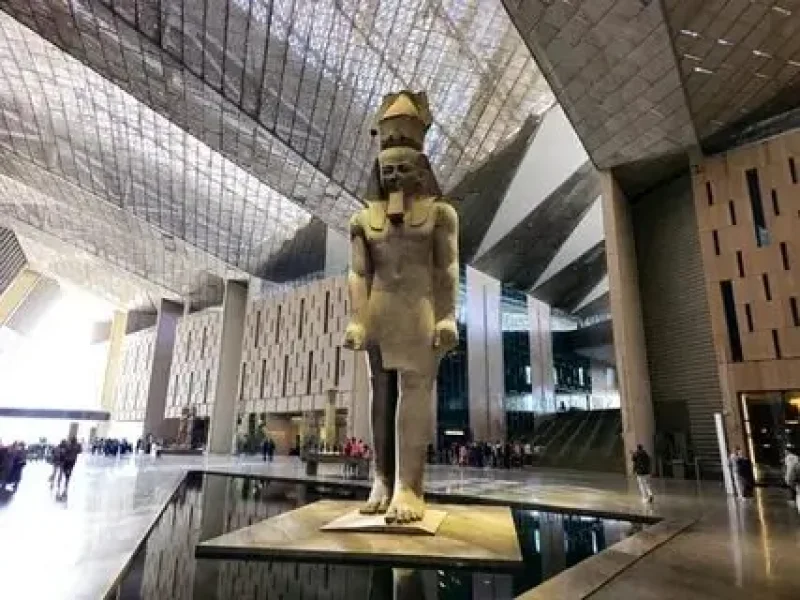
The Grand Egyptian Museum, often referred to as the GEM, is set to become the world’s largest archaeological museum, offering an unparalleled display of ancient Egyptian artifacts. Its collections are designed to provide a chronological and thematic journey through Egypt’s rich history.
Highlights of the GEM collection
The GEM’s star attraction is undoubtedly the complete collection of King Tutankhamun’s treasures, displayed together for the first time since their discovery.
- Tutankhamun’s treasures: Over 5,000 artifacts, including his golden mask, sarcophagi, and chariots.
- Grand Staircase: A monumental display featuring colossal statues leading to the main galleries.
- Conservation Centre: Visitors can observe ongoing restoration work through glass panels, offering a glimpse into archaeological preservation.
Furthermore, the museum employs state-of-the-art technology to enhance the visitor experience, including interactive exhibits and digital displays that bring ancient Egypt to life. The sheer scale of the museum means that a single visit may only scratch the surface of its offerings. Consequently, many visitors choose to prioritize certain sections or plan for multiple visits if time allows. The design of the museum itself is a marvel, with panoramic views of the Giza pyramids from various vantage points, creating a direct visual link between the indoor exhibits and the outdoor wonders. This integration makes the Grand Egyptian Museum and pyramids tour an even more cohesive experience.
Exploring the Giza Pyramids and Sphinx
The Giza plateau, home to the Great Pyramids and the Sphinx, remains one of the most awe-inspiring archaeological sites globally, a testament to ancient Egyptian engineering and belief systems. Visiting these structures is a profound experience, connecting you directly with a civilization that flourished millennia ago.
Key attractions at Giza
Beyond the three main pyramids of Khufu, Khafre, and Menkaure, the complex includes several other significant sites.
- The Great Sphinx: A mythical creature with the body of a lion and the head of a human, guarding the pyramids.
- Solar Boat Museum: Houses the reconstructed funerary boat of Pharaoh Khufu, discovered in a pit near the Great Pyramid.
- Camel rides: A popular way to experience the vastness of the desert landscape surrounding the pyramids.
Moreover, understanding the historical context of these structures enhances the visit significantly. The pyramids were not just tombs but complex burial sites designed to ensure the pharaoh’s journey to the afterlife. Therefore, a knowledgeable guide can illuminate the intricate religious and architectural significance of each element. For those interested in broader Egyptian experiences, exploring Hurghada daily tours can offer diverse options that complement a historical trip to Cairo. Remember that the desert environment can be harsh, so proper hydration and sun protection are essential for a comfortable visit to the Giza plateau.
Common Misconceptions and Pitfalls
While planning a Grand Egyptian Museum and pyramids tour, visitors often encounter certain misconceptions or overlook potential pitfalls that can detract from their experience. Addressing these proactively ensures a smoother and more enjoyable journey.
Avoiding tourist traps and misinformation
One common mistake is falling for overly aggressive vendors or unofficial guides at the Giza plateau. Always book services through reputable tour operators or official channels.
- Bargaining: Prices for souvenirs and services are often negotiable, but know when to politely decline.
- Photography rules: Be aware of specific restrictions, especially inside tombs or certain museum sections.
- Water and snacks: Carry your own, as prices within the tourist zones can be inflated.
Furthermore, some visitors underestimate the time required to fully appreciate both the GEM and the pyramids. Trying to rush through both sites in a single half-day can lead to exhaustion and a superficial understanding. Consequently, it is advisable to allocate ample time, potentially a full day or even two, to truly immerse yourself in these wonders. Another pitfall is ignoring local customs and dress codes, particularly when visiting religious sites. Modest attire is generally recommended. Therefore, being prepared and informed about these aspects can significantly improve your overall satisfaction with the Grand Egyptian Museum and pyramids tour.
Maximizing Your Experience: Tips and Tricks
To truly make your Grand Egyptian Museum and pyramids tour unforgettable, consider these practical tips designed to enhance your comfort and understanding. Small preparations can lead to significant improvements in your overall enjoyment of these iconic sites.
Practical advice for visitors
Comfortable footwear is non-negotiable, as you will be doing a considerable amount of walking, both within the vast museum and across the sandy terrain of Giza.
- Best time to visit: Early morning or late afternoon can help avoid the midday heat and largest crowds.
- Hydration: Drink plenty of water throughout the day, especially during warmer months.
- Sun protection: Hat, sunglasses, and sunscreen are essential for outdoor exploration.
Moreover, consider downloading offline maps or relevant apps before your visit, as Wi-Fi and mobile data can be unreliable in some areas. Engaging with a qualified Egyptologist guide can transform your visit from a simple sightseeing trip into a deeply educational experience. They can provide narratives and historical context that bring the stones and artifacts to life. For those extending their stay in the region, exploring Hurghada guided tours can offer a different perspective on Egypt’s diverse attractions. Remember to keep your belongings secure and be mindful of your surroundings at all times to ensure a safe and pleasant journey through these ancient wonders.
Frequently asked questions about Grand Egyptian Museum and pyramids tour
What is the best time of year for a Grand Egyptian Museum and pyramids tour?
The best time to visit is during the cooler months, from October to April. Temperatures are more pleasant for outdoor exploration at the pyramids and for navigating the vast museum.
How much time should I allocate for the Grand Egyptian Museum and pyramids tour?
Most visitors allocate a full day (8-10 hours) for a combined tour. This allows sufficient time for both the museum’s highlights and the Giza plateau, including travel between sites.
Can I enter the pyramids during the tour?
Yes, you can enter certain pyramids, typically the Great Pyramid of Khufu or the Pyramid of Menkaure, for an additional fee. Check with your tour operator as tickets are limited and often sell out.
Is photography allowed inside the Grand Egyptian Museum?
Photography is generally allowed in most public areas of the GEM, but flash photography is usually prohibited. Specific restrictions may apply to certain exhibits or artifacts, so always look for signage.
What should I wear for a Grand Egyptian Museum and pyramids tour?
Comfortable walking shoes are essential. Light, breathable clothing is recommended, and it’s advisable to dress modestly, especially when visiting religious sites or public places. A hat and sunglasses are also useful.
Are there food options available at both locations?
Yes, both the Grand Egyptian Museum and the Giza plateau have cafes and restaurants. However, prices can be higher in tourist areas, so some visitors prefer to bring their own snacks and water.
Do I need a guide for the Grand Egyptian Museum and pyramids tour?
While not strictly necessary, a knowledgeable guide significantly enhances the experience by providing historical context, navigating the sites, and helping to avoid common tourist pitfalls. It’s highly recommended for a richer understanding.
Ready to Experience This in Person?
Book the official Private Day Tour to Cairo & Pyramids with Hurghada Sun Seekers. Enjoy guaranteed best local prices, hotel transfers, and flexible free cancellation.
Conclusion
A Grand Egyptian Museum and pyramids tour offers an unparalleled deep dive into ancient Egyptian civilization, combining monumental architecture with world-class archaeological treasures. Careful planning and an understanding of what to expect will ensure a truly memorable and enriching experience for every visitor. Embark on this incredible journey to witness history firsthand.
For additional background, see November 2015 Paris attacks on Wikipedia.



Comment (0)