

Egypt Holiday Activities: 10 Amazing Ways to Explore
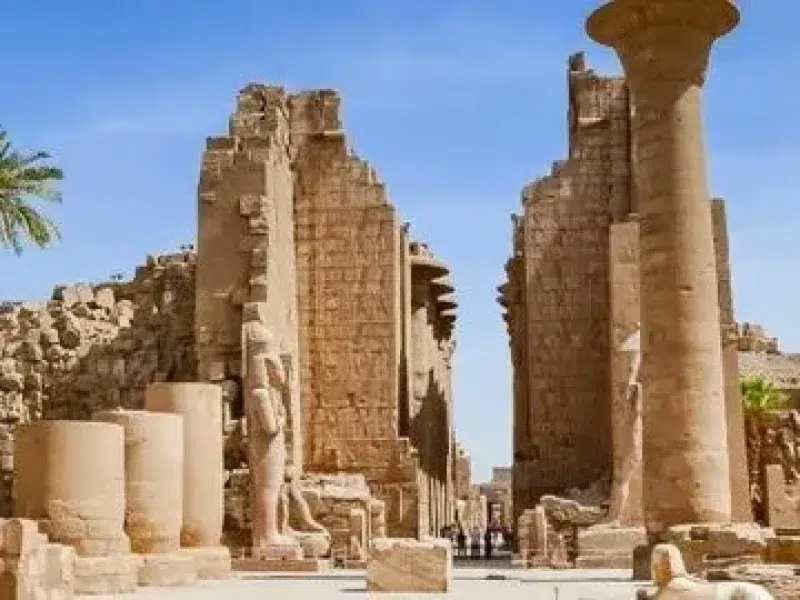
Egypt holiday activities offer a diverse range of experiences, from exploring ancient wonders to enjoying the stunning Red Sea. Whether you’re interested in history, adventure, or relaxation, Egypt has something for everyone. This guide will explore the top activities to make your Egyptian holiday truly unforgettable.
Unveiling the Magic: Egypt Holiday Activities
Egypt holiday activities are as varied as the country’s rich history and diverse landscapes. From the iconic pyramids of Giza to the vibrant coral reefs of the Red Sea, Egypt offers a wealth of experiences for every type of traveler. Whether you’re seeking cultural immersion, thrilling adventures, or simply a relaxing escape, Egypt has it all.
The key to a successful Egypt holiday lies in understanding the breadth of activities available and tailoring your itinerary to your interests. Let’s delve into some of the most popular and rewarding Egypt holiday activities, providing insights and tips to help you plan your dream trip.
Exploring Ancient Wonders: A Journey Through Time
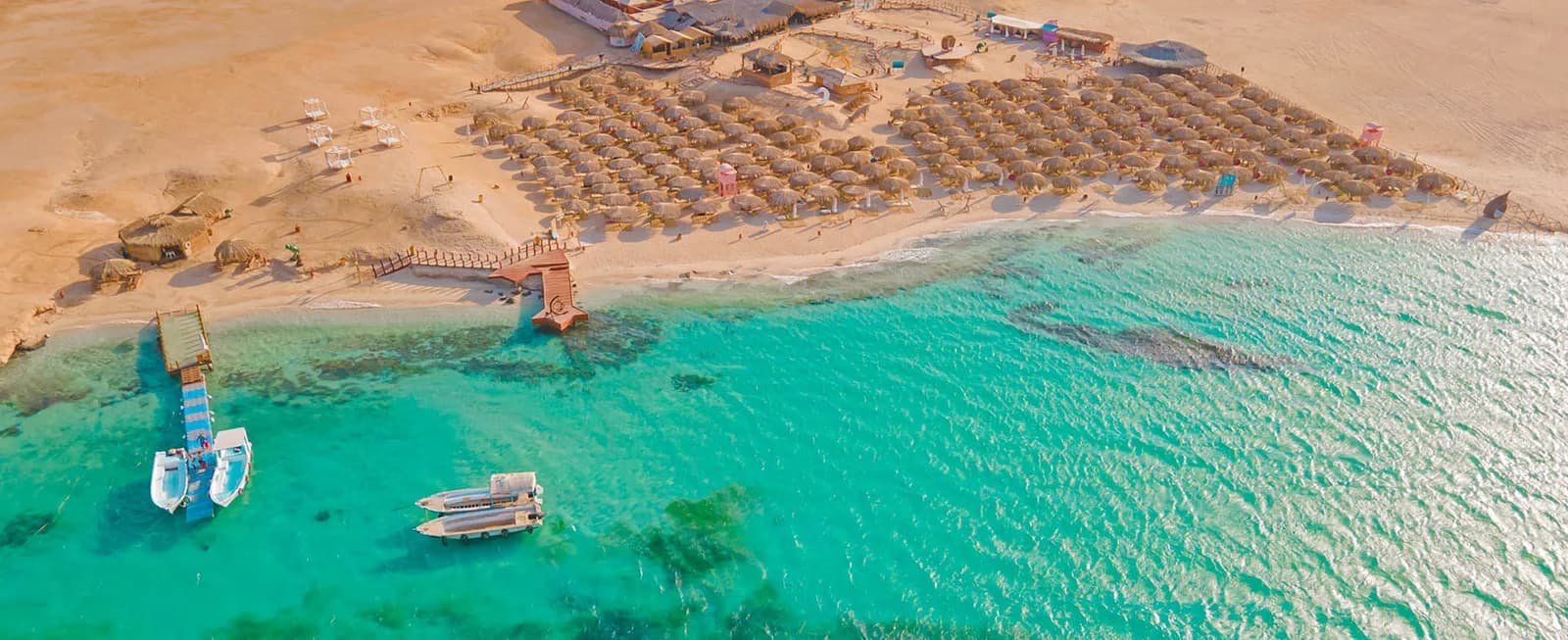
No trip to Egypt is complete without exploring its ancient wonders. The pyramids of Giza, the Sphinx, and the temples of Luxor are just a few of the iconic landmarks that transport you back thousands of years. These sites are not merely historical monuments; they are testaments to the ingenuity, artistry, and spiritual beliefs of the ancient Egyptians.
Visiting these sites requires careful planning to maximize your experience and avoid the crowds. Consider hiring a knowledgeable guide who can provide historical context and navigate the sites efficiently. Also, be prepared for the heat, especially during the summer months, and wear comfortable shoes for walking.
The Pyramids of Giza and the Sphinx
The pyramids of Giza are the most recognizable symbols of Egypt and one of the Seven Wonders of the Ancient World. These colossal structures were built as tombs for pharaohs and represent the pinnacle of ancient Egyptian engineering. The Great Pyramid of Giza, the largest of the three, is a marvel of precision and scale, consisting of over two million stone blocks.
- Tip: Arrive early in the morning to avoid the crowds and the midday heat.
- Tip: Consider taking a camel ride around the pyramids for a unique perspective.
- Tip: Explore the interior of the Great Pyramid (for an extra fee) to experience the narrow passageways and the burial chamber.
The Sphinx, a mythical creature with the body of a lion and the head of a pharaoh, stands guard over the pyramids. Its enigmatic expression and imposing presence have captivated visitors for centuries. The Sphinx is believed to represent the pharaoh Khafre and serves as a symbol of royal power and protection.
Visiting the pyramids and the Sphinx is a truly awe-inspiring experience, offering a glimpse into the grandeur and mystery of ancient Egypt. It’s a must-do activity for anyone interested in history, archaeology, or simply witnessing one of the world’s most iconic landmarks. The Egypt Museum in Cairo also offers an amazing collection of artifacts from this era.
The Valley of the Kings
Located on the west bank of the Nile River near Luxor, the Valley of the Kings is the final resting place of many pharaohs from the New Kingdom period. This desolate valley contains dozens of tombs, each decorated with intricate paintings and hieroglyphs depicting the pharaoh’s journey to the afterlife. The most famous tomb in the Valley of the Kings is that of Tutankhamun, discovered in 1922 by Howard Carter. The tomb was remarkably intact and contained a wealth of treasures, including the iconic golden mask of Tutankhamun.
- Tip: Purchase a multi-tomb ticket to visit several tombs in the Valley of the Kings.
- Tip: Wear comfortable shoes as you’ll be walking on uneven surfaces and climbing stairs.
- Tip: Take your time to admire the intricate paintings and hieroglyphs inside the tombs.
Exploring the Valley of the Kings is a fascinating journey into the beliefs and rituals of the ancient Egyptians. The tombs provide a glimpse into the pharaohs’ hopes for immortality and the elaborate preparations they made for the afterlife. It’s an essential stop for anyone interested in ancient Egyptian history and culture.
Diving and Snorkeling in the Red Sea: An Underwater Paradise
The Red Sea is renowned for its crystal-clear waters, vibrant coral reefs, and diverse marine life, making it a world-class destination for diving and snorkeling. Whether you’re a seasoned diver or a beginner, the Red Sea offers a variety of dive sites and snorkeling spots to suit all levels of experience. From colorful coral gardens to shipwrecks teeming with marine life, the Red Sea is an underwater paradise waiting to be explored.
Several coastal towns along the Red Sea, such as Hurghada, Sharm el-Sheikh, and Marsa Alam, serve as gateways to the region’s best diving and snorkeling sites. These towns offer a range of dive centers, resorts, and tour operators that cater to divers and snorkelers. Before embarking on any diving or snorkeling excursion, ensure that you are properly certified and equipped, and always follow the instructions of your dive guide.
Popular Dive Sites in the Red Sea
The Red Sea boasts a plethora of dive sites, each offering unique underwater landscapes and marine encounters. Some of the most popular dive sites include:
- Thistlegorm Wreck: A British merchant ship sunk during World War II, now a popular dive site teeming with marine life.
- Ras Mohammed National Park: A protected area with stunning coral reefs and diverse marine species.
- The Brothers Islands: Two remote islands offering challenging dives with strong currents and abundant marine life, including sharks.
- Elphinstone Reef: A long, narrow reef known for its strong currents and encounters with sharks, including hammerheads and oceanic whitetips.
Diving in the Red Sea is an unforgettable experience, offering the opportunity to witness the beauty and diversity of the underwater world. Whether you’re exploring shipwrecks, swimming alongside colorful fish, or encountering majestic sharks, the Red Sea will leave you in awe of its natural wonders. A private diving experience in Hurghada is a great way to explore the Red Sea.
Snorkeling in the Red Sea
For those who prefer to stay closer to the surface, snorkeling in the Red Sea is an equally rewarding experience. Many of the Red Sea’s coral reefs are located in shallow waters, making them easily accessible to snorkelers. Popular snorkeling spots include:
- Giftun Island: A popular island near Hurghada with beautiful beaches and excellent snorkeling opportunities.
- Tiran Island: An island near Sharm el-Sheikh with stunning coral reefs and diverse marine life.
- Marsa Mubarak: A sheltered bay near Marsa Alam known for its seagrass beds and frequent sightings of dugongs (sea cows).
Snorkeling in the Red Sea allows you to witness the vibrant colors of the coral reefs and the diverse array of marine life without the need for specialized equipment or training. It’s a perfect activity for families, beginners, or anyone who wants to experience the beauty of the Red Sea in a relaxed and accessible way. Consider a visit to Paradise Island for some of the best snorkeling.
Desert Adventures: Safaris and Stargazing
Beyond its ancient monuments and coastal wonders, Egypt also offers a vast and captivating desert landscape. Desert safaris and stargazing excursions provide a unique opportunity to experience the beauty and tranquility of the Egyptian desert. Whether you’re riding a camel across the dunes, exploring remote oases, or gazing at the stars under the clear desert sky, a desert adventure is an unforgettable experience.
Several tour operators offer desert safaris from various locations, including Hurghada, Sharm el-Sheikh, and Cairo. These safaris typically involve transportation in 4×4 vehicles, camel rides, visits to Bedouin villages, and opportunities to witness stunning sunsets and sunrises. Some safaris also include activities such as sandboarding, quad biking, and traditional Bedouin meals.
Camel Rides and Bedouin Culture
One of the most iconic ways to experience the Egyptian desert is by riding a camel. These gentle giants have been used for transportation in the desert for centuries and offer a unique perspective on the landscape. Camel rides typically last for a few hours and take you through the rolling dunes, allowing you to appreciate the vastness and beauty of the desert.
Many desert safaris also include visits to Bedouin villages, providing an opportunity to learn about the traditional culture and lifestyle of the Bedouin people. You can witness their unique customs, taste their traditional food, and learn about their history and heritage. This cultural immersion adds a meaningful dimension to your desert adventure.
A desert safari from Hurghada is a great way to experience Bedouin culture.
Stargazing in the Desert
The Egyptian desert offers some of the clearest and darkest skies in the world, making it an ideal location for stargazing. Away from the light pollution of the cities, you can witness the brilliance of the Milky Way and countless stars. Many desert safaris include stargazing sessions, where you can learn about the constellations and planets from experienced guides.
- Tip: Bring a blanket or warm clothing as the desert can get cold at night.
- Tip: Use a stargazing app on your phone to identify constellations and planets.
- Tip: Take a pair of binoculars for a closer look at the stars.
Stargazing in the desert is a truly magical experience, allowing you to connect with the universe and appreciate the vastness of space. It’s a perfect activity for those seeking tranquility, wonder, and a deeper understanding of our place in the cosmos.
Cruising the Nile: A Timeless Experience
A Nile River cruise is a classic Egyptian experience that allows you to explore the country’s ancient wonders in a relaxed and comfortable setting. Cruising along the Nile, you’ll witness the stunning landscapes of the Nile Valley, visit ancient temples and tombs, and experience the vibrant culture of the local communities. A Nile cruise is a journey through time, offering a glimpse into the history, mythology, and beauty of ancient Egypt.
Nile cruises typically range from three to seven days and travel between Luxor and Aswan, stopping at various historical sites along the way. These cruises offer a range of amenities, including comfortable cabins, onboard dining, swimming pools, and entertainment. Many cruises also include guided tours of the historical sites, providing valuable insights into the history and significance of each location.
Visiting Temples and Tombs along the Nile
One of the highlights of a Nile cruise is the opportunity to visit the ancient temples and tombs that line the banks of the river. These sites include:
- Karnak Temple: The largest religious complex in the world, dedicated to the Theban Triad of Amun, Mut, and Khonsu.
- Luxor Temple: A beautiful temple complex connected to Karnak by a long avenue of sphinxes.
- The Valley of the Kings: The final resting place of many pharaohs, including Tutankhamun.
- Hatshepsut Temple: A unique mortuary temple dedicated to the female pharaoh Hatshepsut.
- Edfu Temple: A well-preserved temple dedicated to the falcon god Horus.
- Kom Ombo Temple: A double temple dedicated to the crocodile god Sobek and the falcon god Haroeris.
Visiting these temples and tombs is a journey through time, allowing you to witness the grandeur and artistry of ancient Egyptian civilization. The intricate carvings, towering columns, and vibrant colors of these sites are a testament to the skill and dedication of the ancient Egyptians.
Experiencing Local Culture
A Nile cruise also provides opportunities to experience the local culture of the Nile Valley. You can visit local villages, interact with the residents, and learn about their traditions and customs. Many cruises also include cultural performances, such as traditional music and dance, providing a glimpse into the vibrant culture of the region.
Cruising the Nile is a truly unforgettable experience, offering a unique blend of history, culture, and relaxation. It’s a perfect way to explore the ancient wonders of Egypt while enjoying the comfort and convenience of a luxury cruise ship.
Luxor’s Treasures: Temples and Tombs
Luxor, often referred to as the “world’s greatest open-air museum,” is a city brimming with ancient treasures. Located on the east bank of the Nile River, Luxor is home to some of Egypt’s most impressive temples and tombs, including Karnak Temple, Luxor Temple, and the Valley of the Kings. Exploring Luxor is a journey into the heart of ancient Egypt, offering a glimpse into the power, artistry, and spiritual beliefs of the pharaohs.
Visiting Luxor requires careful planning to maximize your experience and avoid the crowds. Consider hiring a knowledgeable guide who can provide historical context and navigate the sites efficiently. Also, be prepared for the heat, especially during the summer months, and wear comfortable shoes for walking.
Karnak Temple: The Largest Religious Complex
Karnak Temple is the largest religious complex in the world, a sprawling network of temples, chapels, pylons, and obelisks dedicated to the Theban Triad of Amun, Mut, and Khonsu. Construction on Karnak Temple began during the reign of Senusret I in the Middle Kingdom and continued for over 2,000 years, with successive pharaohs adding their own contributions to the complex.
- Tip: Allow at least three hours to explore Karnak Temple thoroughly.
- Tip: Visit the temple at night for a spectacular sound and light show.
- Tip: Don’t miss the Great Hypostyle Hall, a forest of towering columns adorned with intricate carvings.
Exploring Karnak Temple is a truly awe-inspiring experience, offering a glimpse into the grandeur and complexity of ancient Egyptian religious beliefs. The sheer scale of the complex and the intricate details of the carvings are a testament to the skill and dedication of the ancient Egyptians.
Luxor Temple: A Temple of Beauty and Harmony
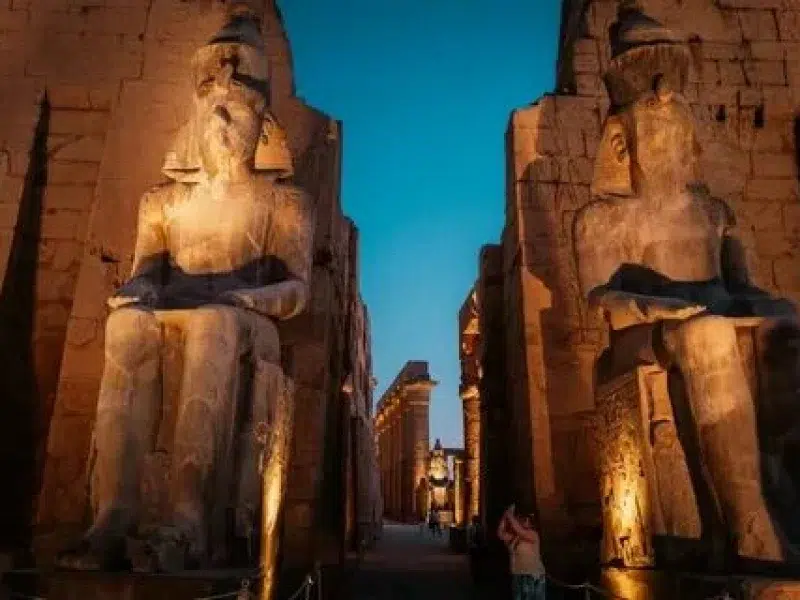
Luxor Temple, located on the east bank of the Nile River, is a beautiful temple complex connected to Karnak Temple by a long avenue of sphinxes. Luxor Temple was built primarily during the reigns of Amenhotep III and Ramesses II and was dedicated to the Theban Triad of Amun, Mut, and Khonsu.
- Tip: Visit Luxor Temple at sunset for stunning views of the temple illuminated by the setting sun.
- Tip: Admire the Colonnade of Amenhotep III, a series of towering columns with intricately carved capitals.
- Tip: Explore the Mosque of Abu Haggag, a medieval mosque built on top of the ruins of Luxor Temple.
Luxor Temple is a masterpiece of ancient Egyptian architecture, showcasing the beauty and harmony of the pharaohs’ artistic vision. The temple’s elegant columns, intricate carvings, and serene atmosphere make it a truly unforgettable experience.
Cairo’s Charms: A City of Contrasts
Cairo, the capital of Egypt, is a vibrant and bustling metropolis that offers a unique blend of ancient history and modern culture. From the iconic pyramids of Giza to the bustling Khan el-Khalili bazaar, Cairo is a city of contrasts that captivates visitors with its energy, history, and charm. Exploring Cairo is a journey into the heart of Egypt, offering a glimpse into the country’s rich heritage and dynamic present.
Visiting Cairo requires careful planning to navigate the city’s traffic and crowds. Consider hiring a local guide who can help you navigate the city efficiently and provide valuable insights into its history and culture. Also, be prepared for the city’s noise and pollution, and take precautions to protect yourself from the sun and heat.
The Egyptian Museum: A Treasure Trove of Antiquities
The Egyptian Museum in Cairo is home to the world’s largest collection of ancient Egyptian artifacts, including the treasures of Tutankhamun, the mummies of pharaohs, and countless statues, sarcophagi, and jewelry. The museum offers a comprehensive overview of ancient Egyptian history and culture, providing a glimpse into the lives of the pharaohs, priests, and common people who shaped this ancient civilization.
- Tip: Allow at least four hours to explore the Egyptian Museum thoroughly.
- Tip: Visit the Tutankhamun exhibit to see the iconic golden mask and other treasures from the pharaoh’s tomb.
- Tip: Take a guided tour of the museum to learn about the history and significance of the artifacts.
Exploring the Egyptian Museum is a must-do activity for anyone interested in ancient Egyptian history and culture. The museum’s vast collection of artifacts provides a fascinating glimpse into the lives and beliefs of the ancient Egyptians.
Khan el-Khalili: A Bustling Bazaar
Khan el-Khalili is a historic bazaar in the heart of Cairo, a labyrinthine network of narrow streets filled with shops selling everything from spices and perfumes to jewelry and handicrafts. The bazaar is a sensory overload, with the sounds of vendors hawking their wares, the smells of exotic spices, and the sights of colorful textiles and glittering jewelry.
- Tip: Be prepared to bargain for the best prices.
- Tip: Sample the local street food, such as koshari and ful medames.
- Tip: Visit the Al-Azhar Mosque, one of the oldest mosques in Cairo, located near Khan el-Khalili.
Exploring Khan el-Khalili is a unique cultural experience, offering a glimpse into the vibrant and bustling atmosphere of Cairo. The bazaar is a perfect place to find souvenirs, sample local cuisine, and immerse yourself in the city’s rich culture. It is important to note that private tours in Egypt can be arranged to visit these historical sites.
Misconceptions about Egypt Holiday Activities
Planning an Egypt holiday can be exciting, but it’s also important to be aware of common misconceptions that can affect your experience. These misconceptions often stem from outdated information, media portrayals, or simply a lack of understanding about the country’s current situation. Addressing these misconceptions can help you plan a safer, more enjoyable, and more informed trip.
One common misconception is that Egypt is entirely unsafe for tourists. While it’s true that Egypt has faced political instability and security concerns in the past, the government has made significant efforts to improve security in tourist areas. Major tourist destinations like Cairo, Luxor, Aswan, and the Red Sea resorts are generally considered safe, with a strong police presence and security measures in place. However, it’s always wise to stay informed about current travel advisories and exercise caution, especially in less-visited areas.
Misconception: Egypt is Only About Ancient History
While Egypt is undoubtedly famous for its ancient history, it’s a misconception to think that this is all the country has to offer. In reality, Egypt boasts a diverse range of attractions and activities beyond its pharaonic past. The Red Sea coast offers world-class diving and snorkeling, with vibrant coral reefs and abundant marine life. The Egyptian desert provides opportunities for thrilling safaris, camel rides, and stargazing experiences. Cairo, the bustling capital, offers a vibrant mix of culture, cuisine, and modern attractions.
- Reality: Egypt offers a diverse range of activities, including diving, snorkeling, desert safaris, and cultural experiences.
- Reality: Modern Egypt is a dynamic country with a rich culture and a vibrant arts scene.
- Reality: Egyptian cuisine is diverse and delicious, with influences from the Middle East, Africa, and the Mediterranean.
To fully appreciate Egypt, it’s important to look beyond its ancient history and explore the country’s other attractions and activities. This will allow you to experience the full breadth and depth of Egyptian culture and heritage.
Misconception: You Can See Everything in a Short Trip
Egypt is a vast and diverse country with a wealth of attractions and activities. It’s a common misconception to think that you can see everything in a short trip, such as a week or even ten days. In reality, it would take weeks or even months to fully explore all that Egypt has to offer. Trying to cram too much into a short trip can lead to a rushed and superficial experience. It’s better to focus on a few key areas or themes and explore them in depth.
- Reality: Egypt is a vast country with a wealth of attractions and activities.
- Reality: It’s better to focus on a few key areas or themes and explore them in depth.
- Reality: Plan your itinerary carefully and prioritize the attractions and activities that are most important to you.
When planning your Egypt holiday, be realistic about what you can achieve in the time you have available. Prioritize the attractions and activities that are most important to you and allow ample time to explore them. This will ensure a more relaxed and rewarding experience.
Planning Your Egypt Holiday: Tips and Considerations
Planning an Egypt holiday can be an exciting but also daunting task. With so much to see and do, it’s important to carefully plan your itinerary and consider various factors to ensure a smooth and enjoyable trip. From choosing the right time to visit to understanding local customs and etiquette, careful planning can make all the difference.
One of the first things to consider is the time of year you plan to visit. Egypt has a hot desert climate, with scorching summers and mild winters. The best time to visit is during the winter months (October to April), when the temperatures are more comfortable for sightseeing. However, this is also the peak tourist season, so expect larger crowds and higher prices. If you’re willing to brave the heat, the summer months (May to September) can offer lower prices and fewer crowds, but be prepared for extremely high temperatures, especially in the desert.
Visa Requirements and Travel Documents
Before traveling to Egypt, make sure you have the necessary visa and travel documents. Most nationalities require a visa to enter Egypt, which can be obtained online or upon arrival at the airport. However, it’s always best to check the specific visa requirements for your nationality before traveling. You’ll also need a valid passport with at least six months of validity remaining.
- Tip: Check the visa requirements for your nationality well in advance of your trip.
- Tip: Make copies of your passport and visa and keep them separate from the originals.
- Tip: Register your trip with your embassy or consulate in case of emergencies.
Having the necessary visa and travel documents is essential for a smooth and hassle-free entry into Egypt. Make sure you have all the required documents and keep them in a safe and accessible place.
Cultural Sensitivity and Etiquette
Egypt is a predominantly Muslim country, and it’s important to be respectful of local customs and traditions. Dress modestly, especially when visiting religious sites. Avoid public displays of affection and be mindful of your behavior. It’s also customary to remove your shoes before entering mosques and other religious buildings.
- Tip: Dress modestly, especially when visiting religious sites.
- Tip: Avoid public displays of affection.
- Tip: Remove your shoes before entering mosques and other religious buildings.
Being culturally sensitive and respectful of local customs is essential for a positive and enriching experience in Egypt. By showing respect for the local culture, you’ll be more likely to be welcomed and appreciated by the Egyptian people.
Frequently asked questions about Egypt holiday activities
What are the best Egypt holiday activities for families?
Egypt offers many family-friendly activities, including visiting the Giza pyramids, cruising the Nile, exploring Luxor’s temples, and relaxing on the beaches of the Red Sea. Many tour operators offer family-oriented tours and activities.
Is it safe to travel to Egypt for a holiday?
Major tourist destinations in Egypt, such as Cairo, Luxor, Aswan, and the Red Sea resorts, are generally considered safe, with a strong police presence and security measures in place. However, it’s always wise to stay informed about current travel advisories and exercise caution.
What is the best time of year to visit Egypt for a holiday?
The best time to visit Egypt is during the winter months (October to April), when the temperatures are more comfortable for sightseeing. However, this is also the peak tourist season, so expect larger crowds and higher prices.
What should I pack for an Egypt holiday?
Pack light, comfortable clothing, sunscreen, a hat, sunglasses, and comfortable walking shoes. If you’re visiting during the winter months, bring a light jacket or sweater for the evenings. Also, pack any necessary medications and toiletries.
What is the local currency in Egypt?
The local currency in Egypt is the Egyptian pound (EGP). It’s best to exchange your currency at banks or official exchange offices to get the best rates. Credit cards are widely accepted in major hotels and restaurants, but it’s always a good idea to have some cash on hand for smaller purchases.
Are there any cultural customs I should be aware of when visiting Egypt?
Yes, Egypt is a predominantly Muslim country, and it’s important to be respectful of local customs and traditions. Dress modestly, especially when visiting religious sites. Avoid public displays of affection and be mindful of your behavior. It’s also customary to remove your shoes before entering mosques and other religious buildings.
How can I get around in Egypt?
There are several ways to get around in Egypt, including taxis, buses, trains, and domestic flights. Taxis are readily available in major cities, but it’s important to negotiate the fare before getting in. Buses and trains are a more affordable option for traveling between cities, but they can be crowded and uncomfortable. Domestic flights are a convenient option for traveling long distances.
What are some popular souvenirs to buy in Egypt?
Popular souvenirs to buy in Egypt include papyrus paintings, alabaster statues, jewelry, spices, perfumes, and handicrafts. Khan el-Khalili bazaar in Cairo is a great place to find souvenirs.
Ready to Experience This in Person?
Book the official Orange Bay & Giftun Islands Boat Trip with Hurghada Sun Seekers. Enjoy guaranteed best local prices, hotel transfers, and flexible free cancellation.
Conclusion
Egypt holiday activities offer a captivating blend of ancient history, stunning landscapes, and vibrant culture. From exploring the iconic pyramids and temples to diving in the Red Sea and cruising the Nile, Egypt provides a wealth of experiences for every type of traveler.
Start planning your unforgettable Egypt holiday today and discover the magic of this ancient land. Consider exploring the best beaches in Hurghada or booking a boat charter for a truly memorable experience.
For broader travel context while planning your Red Sea holiday, you can also visit the official Egypt tourism guide.


Comment (0)