

diving course hurghada certification tour: 7 Perfect Steps
A diving course hurghada certification tour is a comprehensive program designed to equip individuals with the skills and knowledge necessary to safely and confidently explore the underwater world. These tours typically combine theoretical instruction, practical training in a controlled environment, and open water dives in the Red Sea, culminating in an internationally recognized diving certification.
Understanding the diving course hurghada certification tour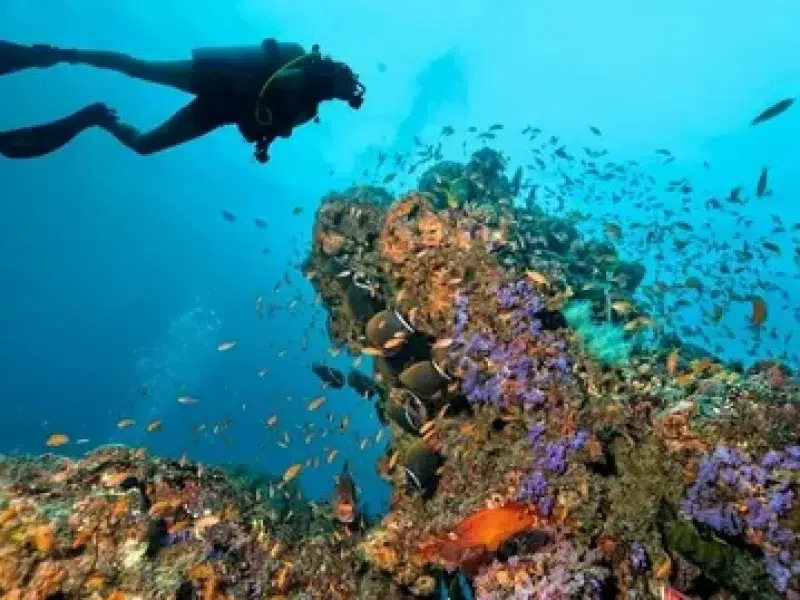
A diving course hurghada certification tour is more than just a vacation activity; it’s an investment in a new skill and a gateway to exploring a hidden world. It provides structured training, ensuring divers learn essential safety procedures and environmental awareness.
Moreover, certification opens doors to diving opportunities worldwide. Completing a diving course in Hurghada means you’re not just certified to dive in the Red Sea, but practically anywhere.
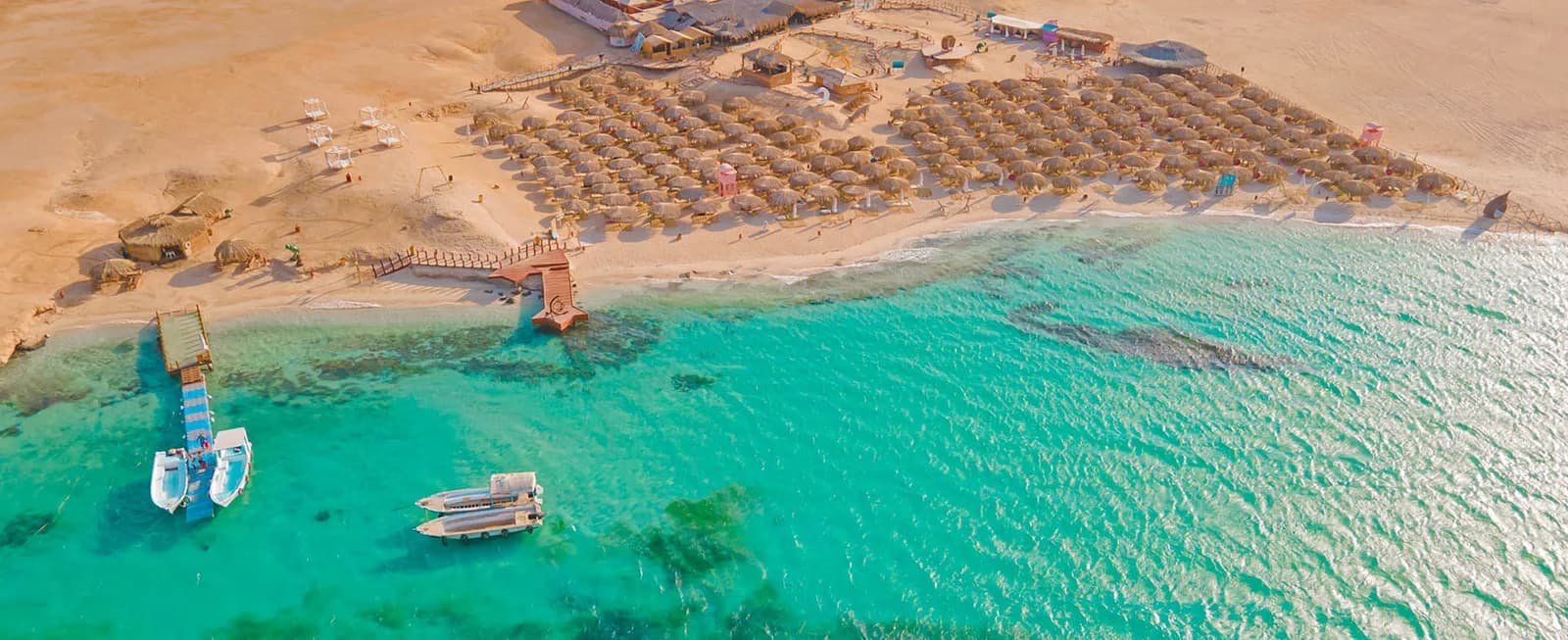
The Core Components of a Diving Course
A typical diving course consists of three key elements. These are theory, confined water training, and open water dives.
- Theory Sessions: These cover the physics and physiology of diving, dive planning, equipment usage, and emergency procedures.
- Confined Water Training: This takes place in a pool or shallow, controlled environment. It allows you to practice basic skills like mask clearing, regulator recovery, and buoyancy control.
- Open Water Dives: These are conducted in the Red Sea under the supervision of certified instructors. They allow you to apply your skills in real-world conditions and experience the beauty of the underwater ecosystem.
Therefore, a diving course provides a well-rounded education, preparing you for safe and enjoyable diving experiences.
Benefits of a Structured Diving Course
Enrolling in a structured diving course offers numerous advantages. These extend beyond simply learning how to breathe underwater.
- Safety: Structured courses prioritize safety, teaching you how to identify and mitigate potential risks.
- Skill Development: You’ll learn essential diving skills in a progressive manner, building confidence and competence.
- Environmental Awareness: Courses emphasize responsible diving practices, promoting the conservation of marine ecosystems.
- Certification: Upon completion, you’ll receive an internationally recognized diving certification, allowing you to dive independently or with a buddy.
Furthermore, a structured course ensures you receive comprehensive training, maximizing your safety and enjoyment.
Why Choose Hurghada for Your Diving Certification?
Hurghada is a premier diving destination, attracting enthusiasts from around the globe. Its clear waters, abundant marine life, and numerous dive sites make it an ideal location for obtaining your diving certification.
Moreover, the city offers a wide range of diving schools and instructors, catering to all levels of experience and budget.
The Red Sea’s Unique Diving Environment
The Red Sea boasts exceptional underwater visibility, often exceeding 30 meters. This allows divers to fully appreciate the vibrant coral reefs and diverse marine life.
- Coral Reefs: The Red Sea is home to some of the world’s most pristine coral reefs, teeming with colorful fish and invertebrates.
- Marine Life: Divers can encounter a variety of marine species, including dolphins, turtles, sharks, and countless reef fish.
- Wrecks: Hurghada is also close to several famous shipwrecks, offering unique and exciting diving experiences.
In addition, the Red Sea’s warm waters make diving comfortable year-round.
Accessibility and Infrastructure
Hurghada is easily accessible by air, with direct flights from many major cities. The city also boasts a well-developed tourism infrastructure, with a wide range of hotels, restaurants, and other amenities.
- International Airport: Hurghada International Airport offers convenient access for international travelers.
- Accommodation: A wide range of hotels and resorts cater to all budgets and preferences.
- Dive Centers: Numerous reputable dive centers offer courses and guided dives.
Therefore, Hurghada provides a convenient and comfortable environment for your diving certification.
Types of Diving Certifications Available in Hurghada
Several internationally recognized diving agencies offer certifications in Hurghada. The most popular include PADI (Professional Association of Diving Instructors) and SSI (Scuba Schools International).
Each agency offers a range of certifications, from beginner to advanced levels. The Open Water Diver certification is the most common starting point.
Open Water Diver Certification
The Open Water Diver certification is the entry-level certification, allowing you to dive to a maximum depth of 18 meters with a buddy. This course typically takes 3-4 days to complete.
- Prerequisites: Minimum age of 10 years old (varies by agency), basic swimming skills, and good physical health.
- Course Content: Theory sessions, confined water training, and open water dives.
- Certification: Upon completion, you’ll receive an Open Water Diver certification card, allowing you to dive independently or with a buddy.
Furthermore, the Open Water Diver certification is the foundation for all further diving education.
Advanced Open Water Diver Certification
The Advanced Open Water Diver certification builds upon the skills learned in the Open Water Diver course. It allows you to dive to a maximum depth of 30 meters and introduces you to specialized diving activities.
- Prerequisites: Open Water Diver certification.
- Course Content: Five adventure dives, including deep diving and underwater navigation.
- Certification: Upon completion, you’ll receive an Advanced Open Water Diver certification card, allowing you to dive to greater depths and participate in more challenging dives.
In addition, the Advanced Open Water Diver certification expands your diving skills and knowledge.
Specialty Courses
Various specialty courses are available, focusing on specific diving interests. These include wreck diving, night diving, underwater photography, and enriched air (Nitrox) diving.
- Wreck Diving: Learn the techniques and safety procedures for exploring shipwrecks.
- Night Diving: Experience the underwater world in a new light, observing nocturnal marine life.
- Underwater Photography: Capture stunning images of the underwater environment.
- Enriched Air (Nitrox) Diving: Extend your bottom time and reduce nitrogen narcosis by diving with enriched air.
Therefore, specialty courses allow you to tailor your diving education to your specific interests.
What to Expect During Your Diving Course
A diving course hurghada certification tour typically follows a structured schedule, combining classroom instruction, practical training, and open water dives. The duration of the course varies depending on the certification level and the diving agency.
Generally, expect a mix of theoretical learning and hands-on experience, ensuring you’re well-prepared for your underwater adventures. This diving tour in Hurghada is a good starting point.
Day 1: Introduction and Theory
The first day usually involves an introduction to the course, the diving agency, and the instructor. You’ll also begin learning the basic principles of diving physics and physiology.
- Course Overview: Introduction to the course structure, objectives, and assessment criteria.
- Diving Physics: Understanding the effects of pressure on the body and equipment.
- Diving Physiology: Learning about the respiratory and circulatory systems and how they are affected by diving.
As a result, you’ll gain a foundational understanding of the science behind diving.
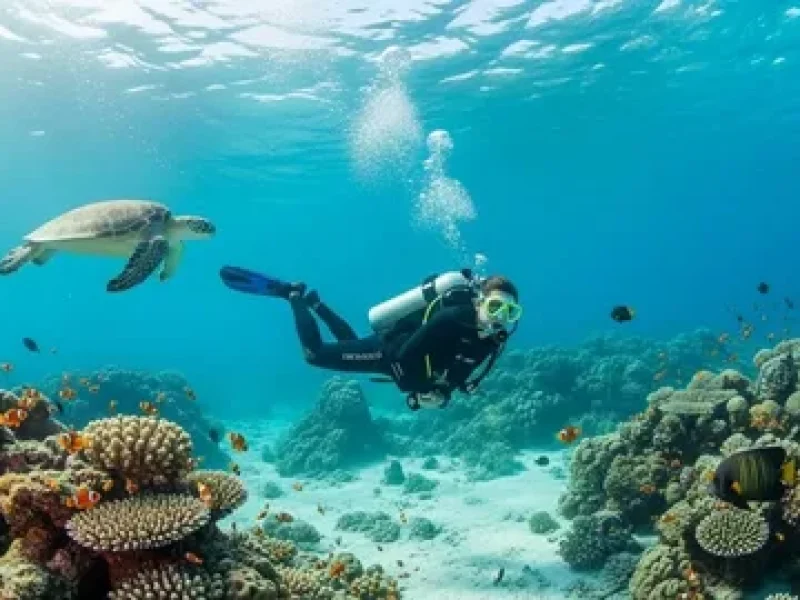 Day 2: Confined Water Training
The second day is typically spent in a pool or shallow, controlled environment. You’ll practice essential diving skills, such as mask clearing, regulator recovery, and buoyancy control.
- Mask Clearing: Learning how to remove water from your mask underwater.
- Regulator Recovery: Practicing how to retrieve your regulator if it comes out of your mouth.
- Buoyancy Control: Mastering the art of maintaining neutral buoyancy underwater.
Furthermore, confined water training builds confidence and competence in a safe environment.
Day 3 & 4: Open Water Dives
The final days of the course involve open water dives in the Red Sea. You’ll apply the skills you’ve learned in the pool to real-world conditions, exploring coral reefs and encountering marine life.
- Dive Planning: Learning how to plan dives safely, considering factors such as depth, time, and air consumption.
- Navigation: Practicing underwater navigation techniques using a compass.
- Marine Life Identification: Learning to identify common marine species and understand their behavior.
Therefore, open water dives provide the ultimate diving experience, allowing you to explore the beauty of the Red Sea.
Common Misconceptions and Risks of Diving
Diving is a relatively safe activity when performed with proper training and adherence to safety guidelines. However, certain misconceptions and risks are associated with diving.
Being aware of these potential issues is crucial for ensuring a safe and enjoyable diving experience. Many people also consider sport fishing tours alongside their diving adventures.
Misconception: Diving is Only for Experienced Athletes
One common misconception is that diving requires exceptional physical fitness. While a reasonable level of fitness is beneficial, diving is accessible to people of all ages and abilities.
- Basic Fitness: A reasonable level of cardiovascular fitness and strength is helpful.
- Medical Conditions: Certain medical conditions may preclude diving, so a medical evaluation is recommended.
- Adaptive Diving: Adaptive diving programs are available for individuals with disabilities.
In fact, many people with physical limitations can enjoy diving with appropriate adaptations and support.
Risk: Decompression Sickness (DCS)
Decompression sickness, also known as “the bends,” is a potentially serious condition that can occur when divers ascend too quickly. Nitrogen bubbles form in the bloodstream and tissues, causing pain and other symptoms.
- Slow Ascent: Ascend slowly, following the recommended ascent rate.
- Safety Stops: Perform safety stops at designated depths to allow nitrogen to off-gas from the body.
- Dive Computer: Use a dive computer to monitor depth, time, and ascent rate.
Therefore, proper dive planning and adherence to ascent procedures are essential for preventing DCS.
Risk: Marine Life Injuries
While most marine life is harmless, some species can inflict injuries. These include jellyfish, stingrays, and certain types of fish.
- Avoid Contact: Avoid touching or disturbing marine life.
- Awareness: Be aware of your surroundings and potential hazards.
- Protective Gear: Wear appropriate protective gear, such as gloves and a wetsuit.
Furthermore, respecting marine life and maintaining a safe distance can minimize the risk of injury.
Choosing the Right Diving School and Instructor
Selecting a reputable diving school and experienced instructor is crucial for a safe and rewarding learning experience. Consider several factors when making your decision.
A good diving school will prioritize safety, provide high-quality instruction, and offer a supportive learning environment. Don’t forget to explore Hurghada city tours for a complete experience.
Accreditation and Reputation
Ensure the diving school is accredited by a recognized diving agency, such as PADI or SSI. Check online reviews and ask for recommendations from other divers.
- Agency Accreditation: Look for accreditation from PADI, SSI, or other reputable agencies.
- Online Reviews: Read reviews on websites like TripAdvisor and Google.
- Recommendations: Ask for recommendations from friends, family, or online diving communities.
As a result, you can gain confidence in the school’s quality and safety standards.
Instructor Experience and Qualifications
Inquire about the instructor’s experience and qualifications. A good instructor will be patient, knowledgeable, and able to adapt their teaching style to your individual needs.
- Certification Level: Ensure the instructor is certified to teach the course you’re interested in.
- Experience: Ask about the instructor’s experience teaching diving courses.
- Teaching Style: Observe the instructor’s teaching style and ensure it aligns with your learning preferences.
Furthermore, a skilled and experienced instructor can significantly enhance your learning experience.
Equipment and Facilities
Inspect the diving school’s equipment and facilities. Ensure the equipment is well-maintained and the facilities are clean and organized.
- Equipment Quality: Check the condition of the diving equipment, including regulators, BCDs, and tanks.
- Facility Cleanliness: Ensure the facilities are clean and well-maintained.
- Safety Equipment: Verify the presence of essential safety equipment, such as oxygen and first aid kits.
Therefore, well-maintained equipment and facilities contribute to a safer and more enjoyable diving experience.
Extending Your Diving Adventures After Certification
Once you’ve obtained your diving certification, a world of underwater adventures awaits. Hurghada offers numerous opportunities to explore diverse dive sites and expand your diving skills.
Consider advanced courses, specialty dives, and diving trips to nearby islands and wrecks. Many also enjoy combining diving with a super safari tour in Hurghada for a diverse vacation experience.
Advanced Diving Courses
Consider taking advanced diving courses to expand your skills and knowledge. These courses can enhance your diving abilities and allow you to explore more challenging dive sites.
- Advanced Open Water Diver: Dive to greater depths and explore specialized diving activities.
- Rescue Diver: Learn how to respond to diving emergencies and assist other divers in need.
- Divemaster: Pursue a career in diving by becoming a certified Divemaster.
In addition, advanced courses can open doors to new diving opportunities and career paths.
Diving Trips and Excursions
Explore the diverse dive sites around Hurghada by joining diving trips and excursions. These trips can take you to nearby islands, wrecks, and coral reefs.
- Giftun Island: Dive at the famous dive sites around Giftun Island, known for their vibrant coral reefs and abundant marine life.
- SS Thistlegorm Wreck: Explore the iconic SS Thistlegorm wreck, a British cargo ship sunk during World War II.
- Abu Nuhas Wrecks: Dive at the four wrecks of Abu Nuhas, each with its unique history and marine life.
Furthermore, diving trips and excursions offer the opportunity to discover new and exciting underwater environments.
Diving Clubs and Communities
Join diving clubs and communities to connect with other divers, share experiences, and learn about new diving opportunities. These groups can provide valuable support and resources for divers of all levels.
- Local Diving Clubs: Join local diving clubs to meet other divers in your area.
- Online Forums: Participate in online diving forums to share experiences and ask questions.
- Diving Events: Attend diving events and conferences to learn about new technologies and techniques.
Therefore, connecting with other divers can enhance your diving experience and provide valuable support.
Frequently asked questions about diving course hurghada certification tour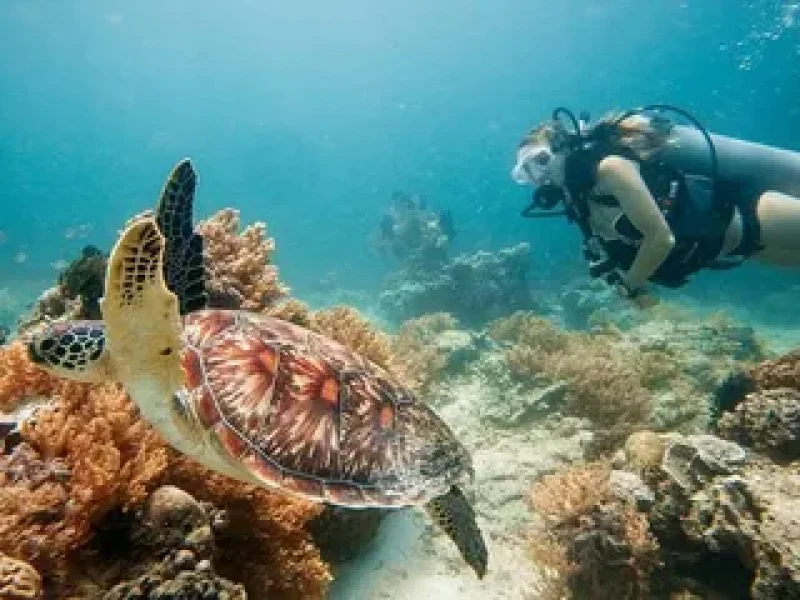
How long does a diving course in Hurghada take?
The duration of a diving course in Hurghada varies depending on the certification level. The Open Water Diver certification typically takes 3-4 days, while the Advanced Open Water Diver certification usually takes 2-3 days.
What are the prerequisites for a diving course?
The prerequisites for a diving course typically include a minimum age (usually 10 or 12 years old), basic swimming skills, and good physical health. A medical evaluation may be required for certain individuals.
How much does a diving course in Hurghada cost?
The cost of a diving course in Hurghada varies depending on the certification level, the diving school, and the included amenities. Expect to pay between $300 and $600 for an Open Water Diver certification.
What is included in a diving course?
A diving course typically includes classroom instruction, confined water training, open water dives, equipment rental, and certification fees. Some courses may also include accommodation and meals.
What should I bring to a diving course?
You should bring swimwear, a towel, sunscreen, a hat, and a water bottle to a diving course. The diving school will typically provide all the necessary diving equipment.
Is diving safe?
Diving is a relatively safe activity when performed with proper training and adherence to safety guidelines. It’s important to choose a reputable diving school and follow the instructions of your instructor.
What marine life can I see while diving in Hurghada?
While diving in Hurghada, you can see a variety of marine life, including colorful reef fish, dolphins, turtles, sharks, and various invertebrates. The Red Sea is known for its diverse and vibrant marine ecosystem. You might even spot some wildlife on a dolphin house hurghada tour.
Can I dive if I wear glasses or contacts?
Yes, you can dive if you wear glasses or contacts. You can either wear contact lenses under your mask or use a prescription dive mask. Consult with your eye doctor and the diving school for recommendations.
What happens if I run out of air underwater?
During your diving course, you will learn emergency procedures for situations like running out of air underwater. These procedures include using your buddy’s alternate air source or performing an emergency ascent. Proper dive planning and monitoring your air supply are crucial for preventing this situation.
Conclusion
A diving course hurghada certification tour offers a unique opportunity to explore the underwater world and gain a valuable skill. With its clear waters, abundant marine life, and reputable diving schools, Hurghada is an ideal location for obtaining your diving certification.
Ready to start your diving adventure? Contact a reputable diving school in Hurghada today and begin your journey to becoming a certified diver! You can also consider a Mahmya Island tour in Hurghada to complement your diving experience.


Comment (0)