

Snorkeling equipment Hurghada: 7 Best Gear Sets for Perfect Trips
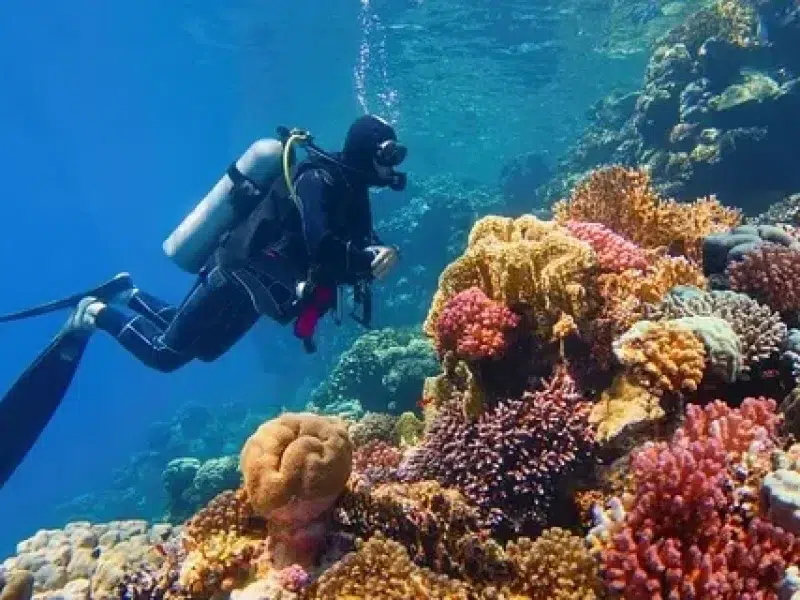
Snorkeling equipment Hurghada is essential for anyone wanting to explore the Red Sea’s vibrant coral reefs and marine life. Choosing the right gear ensures a safe, comfortable, and unforgettable snorkeling experience. This guide covers everything you need to know to select the best snorkeling equipment for your Hurghada adventure.
Understanding Snorkeling Equipment Hurghada
Snorkeling in Hurghada offers a unique opportunity to witness the stunning underwater world of the Red Sea. However, to fully enjoy this experience, understanding the importance of quality snorkeling equipment is vital. Proper gear not only enhances your visibility and comfort but also ensures your safety while exploring the coral reefs.
Furthermore, the Red Sea’s unique environment demands specific considerations when choosing your equipment. Factors such as water temperature, salinity, and potential marine life encounters should influence your selection. Investing in reliable snorkeling equipment Hurghada is, therefore, an investment in a memorable and secure underwater adventure.
The Importance of Properly Fitted Gear
The fit of your snorkeling equipment is paramount. A mask that leaks, fins that are too loose, or a snorkel that constantly fills with water can quickly ruin your snorkeling trip. Proper fitting ensures comfort, prevents distractions, and allows you to focus on the beauty of the underwater world. Moreover, ill-fitting gear can lead to chafing, blisters, and even panic in the water, compromising your safety.
- Mask: Should create a watertight seal around your face without being too tight.
- Snorkel: The mouthpiece should fit comfortably in your mouth without requiring excessive effort to hold it in place.
- Fins: Should fit snugly around your feet, allowing for efficient propulsion without causing blisters.
Therefore, taking the time to properly fit your snorkeling equipment is crucial for a positive and safe experience.
Essential Components of Snorkeling Gear
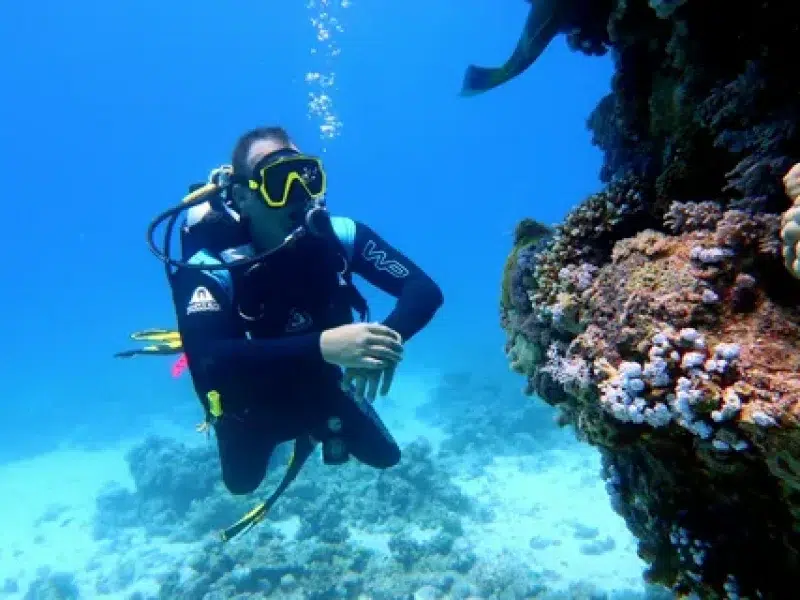
Snorkeling equipment Hurghada typically consists of a mask, snorkel, and fins. Each component plays a crucial role in your underwater experience. Understanding the different types and features available will help you make informed decisions when selecting your gear.
In addition, consider the specific conditions of the Red Sea when evaluating your options. For instance, the clear waters may allow for masks with a wider field of vision, while the potential for currents may necessitate more powerful fins. Ultimately, choosing the right components will contribute to a more enjoyable and safe snorkeling adventure.
Masks: Your Window to the Underwater World
The mask is arguably the most important piece of snorkeling equipment. It allows you to see clearly underwater by creating an air pocket in front of your eyes. Masks come in various shapes and sizes, with different features to enhance your viewing experience. Furthermore, the quality of the lens and the seal around your face are critical factors to consider.
- Single-lens masks: Offer a wide, unobstructed view.
- Dual-lens masks: Allow for a lower profile and can accommodate prescription lenses.
- Full-face masks: Cover the entire face and allow you to breathe naturally through your nose and mouth.
Therefore, selecting a mask that fits well and provides clear vision is essential for a rewarding snorkeling experience. Consider a mask with anti-fog coating to prevent visibility issues during your dive. You can also explore masks with purge valves that make it easier to clear water from the mask.
Snorkels: Breathing Underwater
The snorkel allows you to breathe while your face is submerged in the water. Snorkels come in various designs, each with its own advantages and disadvantages. The key is to find a snorkel that is comfortable to use and effectively prevents water from entering your breathing tube. Also, consider the length and diameter of the snorkel tube, as these factors can affect your breathing efficiency.
- Classic snorkels: Simple tubes with a mouthpiece.
- Semi-dry snorkels: Feature a splash guard to prevent water from entering the tube.
- Dry snorkels: Have a valve that seals the tube when submerged, preventing water from entering.
In addition, a comfortable mouthpiece is crucial for extended snorkeling sessions. Look for snorkels with flexible tubes that allow for a more natural head position. Ultimately, the best snorkel is one that you can use comfortably and confidently.
Fins: Propulsion and Efficiency
Fins provide the propulsion you need to move through the water efficiently. They come in various lengths and designs, each suited for different snorkeling styles and conditions. The right fins can significantly reduce the amount of energy you expend while snorkeling, allowing you to explore for longer periods. Moreover, consider the stiffness of the fin blade, as this will affect the amount of power you generate with each kick.
- Full-foot fins: Fit like shoes and are ideal for warm water snorkeling.
- Open-heel fins: Require booties and are better suited for cooler water or when walking over rocky terrain.
- Split fins: Designed to reduce drag and increase efficiency.
Furthermore, the size and weight of the fins can also impact your snorkeling experience. Smaller, lighter fins are easier to pack and maneuver, while larger, stiffer fins provide more power. Therefore, choose fins that are appropriate for your skill level and the conditions you expect to encounter.
Choosing the Right Mask for Snorkeling in Hurghada
Selecting the right mask is paramount for enjoying the underwater wonders of Hurghada. A well-fitted mask provides clear vision and a comfortable, watertight seal, allowing you to focus on the marine life without distractions. Moreover, the Red Sea’s unique conditions, such as its high salinity and abundant sunlight, require specific mask features to optimize your experience.
In addition, consider the shape of your face when choosing a mask. Different masks are designed to fit different facial contours, and a proper fit is essential for preventing leaks and discomfort. Ultimately, the right mask will enhance your visibility and comfort, making your snorkeling adventure more enjoyable.
Mask Fit: Ensuring a Watertight Seal
A proper mask fit is crucial for preventing water from entering and obstructing your vision. To test the fit, place the mask on your face without the strap and inhale gently through your nose. The mask should create a seal and stay in place without you holding it. Furthermore, check for gaps around the edges of the mask skirt, as these indicate a poor fit. Therefore, take the time to find a mask that conforms to the shape of your face.
- Test the seal: Place the mask on your face and inhale gently.
- Check for gaps: Ensure the mask skirt seals completely around your face.
- Consider different sizes: Masks come in various sizes to accommodate different facial features.
Moreover, adjust the strap to ensure a snug but comfortable fit. The strap should not be too tight, as this can cause discomfort and even headaches. Ultimately, a well-fitted mask will stay in place and provide a clear, unobstructed view of the underwater world.
Lens Type: Clarity and Visibility
The type of lens in your mask can significantly impact your visibility underwater. Clear lenses are ideal for general snorkeling, while tinted lenses can reduce glare and enhance contrast in bright sunlight. Furthermore, some masks feature lenses with special coatings to prevent fogging and improve clarity. Therefore, consider the conditions you expect to encounter when choosing your lens type.
- Clear lenses: Provide the most natural view and are suitable for most conditions.
- Tinted lenses: Reduce glare and enhance contrast in bright sunlight.
- Anti-fog coatings: Prevent fogging and maintain clear visibility.
In addition, consider the material of the lens. Tempered glass lenses are more durable and resistant to scratches than plastic lenses. Ultimately, the right lens will provide clear, comfortable vision and enhance your overall snorkeling experience.
Mask Features: Enhancing Your Experience
Many masks come with additional features designed to enhance your snorkeling experience. These features can include purge valves, which allow you to easily clear water from the mask, and wide-angle lenses, which provide a broader field of vision. Furthermore, some masks are designed to accommodate prescription lenses, making them ideal for snorkelers with vision impairments. Therefore, consider which features are most important to you when choosing your mask.
- Purge valves: Allow you to easily clear water from the mask.
- Wide-angle lenses: Provide a broader field of vision.
- Prescription lenses: Accommodate snorkelers with vision impairments.
In addition, consider the overall design of the mask. Low-profile masks sit closer to your face, reducing drag and improving comfort. Ultimately, the right mask features will enhance your comfort and visibility, making your snorkeling adventure more enjoyable.
Selecting the Best Snorkel for Red Sea Adventures
Choosing the right snorkel is essential for comfortable and safe breathing while exploring the Red Sea’s underwater wonders. A well-designed snorkel allows you to breathe easily without lifting your head, providing a continuous view of the marine life below. Moreover, the Red Sea’s unique conditions, such as its occasional currents and choppy waters, require specific snorkel features to prevent water from entering your breathing tube.
In addition, consider your personal preferences and snorkeling style when choosing a snorkel. Some snorkelers prefer simple, classic designs, while others prefer snorkels with advanced features like dry tops and purge valves. Ultimately, the best snorkel is one that you can use comfortably and confidently in the water.
Snorkel Types: Classic, Semi-Dry, and Dry
Snorkels come in three main types: classic, semi-dry, and dry. Classic snorkels are simple tubes with a mouthpiece and are the most basic and affordable option. Semi-dry snorkels feature a splash guard that helps to prevent water from entering the tube. Dry snorkels have a valve that seals the tube when submerged, preventing water from entering altogether. Furthermore, each type has its own advantages and disadvantages, so it’s important to choose the one that best suits your needs.
- Classic snorkels: Simple and affordable, but offer no protection against water entry.
- Semi-dry snorkels: Provide some protection against water entry with a splash guard.
- Dry snorkels: Offer the best protection against water entry with a sealing valve.
Moreover, consider the conditions you expect to encounter when choosing your snorkel type. For calm, clear waters, a classic snorkel may suffice. However, for choppy waters or strong currents, a semi-dry or dry snorkel is recommended.
Mouthpiece Comfort: Ensuring a Secure Fit
The mouthpiece is the part of the snorkel that you hold in your mouth, so comfort is essential. Look for mouthpieces made from soft, flexible materials that conform to the shape of your mouth. Furthermore, some mouthpieces are designed with ergonomic features to reduce jaw fatigue. Therefore, take the time to find a mouthpiece that feels comfortable and secure.
- Material: Soft, flexible materials are more comfortable.
- Ergonomics: Ergonomic designs reduce jaw fatigue.
- Fit: The mouthpiece should fit securely in your mouth without requiring excessive effort to hold it in place.
In addition, consider the size and shape of the mouthpiece. Smaller mouthpieces are generally more comfortable for children and individuals with smaller mouths. Ultimately, a comfortable mouthpiece will allow you to snorkel for longer periods without discomfort.
Snorkel Features: Purge Valves and Flexible Tubes
Many snorkels come with additional features designed to enhance your snorkeling experience. Purge valves allow you to easily clear water from the snorkel by exhaling sharply. Flexible tubes allow for a more natural head position, reducing strain on your neck and jaw. Furthermore, some snorkels feature swivel attachments that allow the mouthpiece to rotate, further improving comfort. Therefore, consider which features are most important to you when choosing your snorkel.
- Purge valves: Allow you to easily clear water from the snorkel.
- Flexible tubes: Allow for a more natural head position.
- Swivel attachments: Allow the mouthpiece to rotate for improved comfort.
In addition, consider the overall design of the snorkel. Streamlined designs reduce drag and improve hydrodynamics. Ultimately, the right snorkel features will enhance your comfort and performance in the water.
Fins: Powering Your Snorkeling Experience
Fins are essential for efficient and comfortable snorkeling in Hurghada. They provide the propulsion you need to move through the water with ease, allowing you to explore more of the Red Sea’s underwater landscape. Moreover, the right fins can significantly reduce the amount of energy you expend, allowing you to snorkel for longer periods without fatigue.
In addition, consider your personal preferences and snorkeling style when choosing fins. Some snorkelers prefer short, maneuverable fins, while others prefer long, powerful fins. Ultimately, the best fins are those that provide the right balance of power, comfort, and efficiency for your needs.
Fin Types: Full-Foot and Open-Heel
Fins come in two main types: full-foot and open-heel. Full-foot fins fit like shoes and are ideal for warm water snorkeling. Open-heel fins require booties and are better suited for cooler water or when walking over rocky terrain. Furthermore, each type has its own advantages and disadvantages, so it’s important to choose the one that best suits your needs.
- Full-foot fins: Comfortable and convenient for warm water snorkeling.
- Open-heel fins: Versatile and suitable for cooler water or rocky terrain.
Moreover, consider the water temperature and the type of terrain you expect to encounter when choosing your fin type. For warm, sandy beaches, full-foot fins are a great choice. However, for cooler waters or rocky shores, open-heel fins with booties are recommended.
Fin Length and Stiffness: Balancing Power and Efficiency
The length and stiffness of the fin blade can significantly impact your snorkeling experience. Longer, stiffer fins provide more power but require more effort to use. Shorter, more flexible fins are easier to maneuver but provide less power. Furthermore, the ideal length and stiffness will depend on your strength, fitness level, and snorkeling style. Therefore, consider your personal preferences and abilities when choosing your fin length and stiffness.
- Longer fins: Provide more power but require more effort to use.
- Shorter fins: Easier to maneuver but provide less power.
- Stiffer fins: Provide more power but require more effort to use.
- Flexible fins: Easier to maneuver but provide less power.
In addition, consider the type of snorkeling you plan to do. For leisurely snorkeling in calm waters, shorter, more flexible fins may suffice. However, for more challenging conditions or when covering long distances, longer, stiffer fins are recommended.
Fin Features: Split Fins and Vents
Many fins come with additional features designed to enhance your snorkeling performance. Split fins are designed to reduce drag and increase efficiency, allowing you to move through the water with less effort. Vents allow water to flow through the fin blade, reducing resistance and improving propulsion. Furthermore, some fins feature adjustable straps and foot pockets for a more customized fit. Therefore, consider which features are most important to you when choosing your fins.
- Split fins: Reduce drag and increase efficiency.
- Vents: Reduce resistance and improve propulsion.
- Adjustable straps: Allow for a more customized fit.
In addition, consider the overall design of the fins. Streamlined designs reduce drag and improve hydrodynamics. Ultimately, the right fin features will enhance your comfort and performance in the water.
Wetsuits and Rash Guards: Staying Comfortable in the Water
While Hurghada enjoys warm weather, the water temperature can vary depending on the season and location. Wetsuits and rash guards provide thermal protection, allowing you to snorkel comfortably for longer periods. Moreover, they also offer protection from the sun and potential stings from marine life.
In addition, consider the water temperature and your personal tolerance when choosing between a wetsuit and a rash guard. For warmer waters, a rash guard may be sufficient. However, for cooler waters, a wetsuit is recommended. Ultimately, the goal is to stay comfortable and protected so you can fully enjoy your snorkeling experience.
Wetsuit Thickness: Choosing the Right Level of Insulation
Wetsuits come in various thicknesses, ranging from 1mm to 7mm. The thicker the wetsuit, the more insulation it provides. For snorkeling in Hurghada, a 3mm wetsuit is generally sufficient for most conditions. However, if you are particularly sensitive to cold or plan to snorkel for extended periods, a thicker wetsuit may be necessary. Furthermore, consider the time of year and the specific location you plan to snorkel when choosing your wetsuit thickness.
- 1mm wetsuits: Provide minimal insulation and are suitable for very warm waters.
- 3mm wetsuits: Provide moderate insulation and are suitable for most conditions in Hurghada.
- 5mm wetsuits: Provide significant insulation and are suitable for cooler waters.
- 7mm wetsuits: Provide maximum insulation and are suitable for very cold waters.
Moreover, consider the fit of the wetsuit. A well-fitted wetsuit should be snug but not too tight, allowing for freedom of movement. Ultimately, the right wetsuit thickness will keep you warm and comfortable without restricting your mobility.
Rash Guards: Sun and Sting Protection
Rash guards are lightweight, quick-drying shirts that provide protection from the sun and potential stings from marine life. They are typically made from Lycra or Spandex and offer a comfortable, non-restrictive fit. Furthermore, rash guards are a great option for snorkeling in warmer waters where a full wetsuit is not necessary. Therefore, consider adding a rash guard to your snorkeling gear for added protection and comfort.
- Sun protection: Rash guards offer UPF (Ultraviolet Protection Factor) to shield your skin from harmful UV rays.
- Sting protection: Rash guards can help protect against jellyfish stings and other marine irritants.
- Comfort: Rash guards are lightweight and comfortable to wear in warm water.
In addition, consider the fit of the rash guard. A well-fitted rash guard should be snug but not too tight, allowing for freedom of movement. Ultimately, a rash guard will keep you protected from the sun and marine life without overheating you.
Additional Considerations: Hoods and Gloves
For those who are particularly sensitive to cold, hoods and gloves can provide additional thermal protection. Hoods protect your head and neck, while gloves protect your hands. Furthermore, these accessories can be especially useful for snorkeling in cooler waters or for extended periods. Therefore, consider adding a hood and gloves to your snorkeling gear if you tend to get cold easily.
- Hoods: Protect your head and neck from the cold.
- Gloves: Protect your hands from the cold.
In addition, consider the fit of the hood and gloves. They should be snug but not too tight, allowing for freedom of movement. Ultimately, the right accessories will keep you warm and comfortable in the water.
Common Mistakes to Avoid When Choosing Snorkeling Gear
Choosing the right snorkeling equipment Hurghada can be overwhelming, especially for beginners. Avoiding common mistakes will ensure a more enjoyable and safe experience. Moreover, understanding these pitfalls can save you time, money, and potential discomfort in the water.
In addition, remember that personal preferences and specific needs vary. What works for one person may not work for another. Ultimately, the key is to research, try on different options, and choose gear that fits well and meets your individual requirements.
Buying Gear Without Trying It On
One of the biggest mistakes is purchasing snorkeling gear without trying it on first. Masks, fins, and snorkels come in various sizes and shapes, and a proper fit is crucial for comfort and performance. Furthermore, ill-fitting gear can lead to leaks, chafing, and reduced efficiency in the water. Therefore, always try on gear before buying it to ensure a comfortable and secure fit.
- Masks: Ensure a watertight seal around your face.
- Fins: Ensure a snug but comfortable fit around your feet.
- Snorkels: Ensure a comfortable mouthpiece and a secure fit.
Moreover, if you are purchasing gear online, check the return policy to ensure you can exchange it if it doesn’t fit properly. Ultimately, taking the time to try on gear will save you from discomfort and frustration in the water.
Ignoring Gear Quality
Another common mistake is prioritizing price over quality. Cheap snorkeling gear may seem like a good deal, but it is often made from inferior materials that are prone to damage and failure. Furthermore, low-quality gear can compromise your safety and reduce your enjoyment of the snorkeling experience. Therefore, invest in high-quality gear from reputable brands to ensure durability and reliability.
- Materials: Look for durable, high-quality materials that can withstand the rigors of snorkeling.
- Construction: Ensure the gear is well-constructed and free from defects.
- Brand reputation: Choose gear from reputable brands known for quality and reliability.
Moreover, consider the long-term cost of ownership. High-quality gear may cost more upfront, but it will last longer and perform better, saving you money in the long run. Ultimately, investing in quality gear is an investment in your safety and enjoyment.
Neglecting Maintenance
Even high-quality snorkeling gear requires regular maintenance to ensure optimal performance and longevity. Neglecting maintenance can lead to damage, corrosion, and reduced efficiency. Furthermore, proper maintenance is essential for preventing the growth of bacteria and algae, which can cause skin irritation and infections. Therefore, always rinse your gear with fresh water after each use and store it in a cool, dry place.
- Rinse with fresh water: Remove salt, sand, and other debris after each use.
- Store in a cool, dry place: Prevent damage from sunlight and humidity.
- Inspect regularly: Check for signs of wear and tear and replace damaged parts.
Moreover, consider using a mild soap to clean your gear periodically. Avoid using harsh chemicals or abrasive cleaners, as these can damage the materials. Ultimately, proper maintenance will extend the life of your gear and ensure it performs optimally.
Frequently asked questions about Snorkeling equipment Hurghada
What are the essential pieces of Snorkeling equipment Hurghada?
The essential pieces include a snorkeling mask for clear underwater vision, a snorkel for breathing without lifting your head, and fins for efficient propulsion. These three components form the foundation of a comfortable and safe snorkeling experience in Hurghada.
How do I choose the right size mask for Snorkeling equipment Hurghada?
To choose the right size mask, place it on your face without the strap and inhale through your nose. If the mask creates a seal and stays in place without holding it, it’s a good fit. Check for gaps around the edges to ensure a watertight seal.
What type of snorkel is best for Snorkeling equipment Hurghada?
A dry snorkel is often recommended, especially for beginners, as it prevents water from entering the tube when submerged. Semi-dry snorkels are also a good option, offering some protection against splashes and waves common in Hurghada’s waters.
Are fins necessary for Snorkeling equipment Hurghada?
Yes, fins are highly recommended as they significantly enhance your propulsion and efficiency in the water. They allow you to cover more distance with less effort, making your snorkeling experience more enjoyable and less tiring, especially in areas with currents.
How do I prevent my mask from fogging up when using Snorkeling equipment Hurghada?
You can prevent your mask from fogging by applying anti-fog solution before each use. Alternatively, you can use saliva as a natural anti-fog agent. Just rub it on the lens, let it sit for a few minutes, and then rinse thoroughly with seawater.
Should I rent or buy Snorkeling equipment Hurghada?
If you plan to snorkel frequently during your trip or anticipate future snorkeling adventures, buying your own equipment is often more cost-effective and hygienic. However, if you only plan to snorkel once or twice, renting may be a more practical option.
What should I do after using my Snorkeling equipment Hurghada?
After each use, rinse your snorkeling gear thoroughly with fresh water to remove salt, sand, and other debris. Allow it to air dry completely in a shaded area before storing it in a cool, dry place. This will help prolong the life of your equipment and prevent the growth of bacteria.
Ready to Experience This in Person?
Book the official Red Sea Coral Reef Snorkeling Tour with Lunch with Hurghada Sun Seekers. Enjoy guaranteed best local prices, hotel transfers, and flexible free cancellation.
Conclusion
Choosing the right Snorkeling equipment Hurghada is essential for a safe, comfortable, and unforgettable underwater experience in the Red Sea. By understanding the different components and features available, you can make informed decisions and select gear that meets your specific needs and preferences.
Ready to explore the vibrant coral reefs of Hurghada? Book your private snorkeling boat trip today and experience the beauty of the Red Sea with the perfect snorkeling gear!
For broader travel context while planning your Red Sea holiday, you can also visit the official Egypt tourism guide.
Comment (0)