

Egypt Bucket List Experiences: 10 Advanced & Perfect Ideas

Egypt bucket list experiences offer a unique blend of ancient history, stunning landscapes, and vibrant culture. From exploring the iconic pyramids to diving in the Red Sea, Egypt provides a wealth of unforgettable adventures. This article highlights ten advanced and perfect experiences to add to your Egypt itinerary.
Unveiling the Egypt Bucket List Experiences
What exactly constitutes an “Egypt bucket list experience?” It’s more than just ticking off famous landmarks. It’s about immersing yourself in the country’s rich history, engaging with its vibrant culture, and discovering the hidden gems that lie beyond the well-trodden tourist paths.
These experiences offer a deeper connection to Egypt, creating lasting memories that go beyond the typical vacation snapshots. They represent a commitment to understanding the country’s past, appreciating its present, and contributing to its future.
Defining the Essence of a Bucket List Experience
A true bucket list experience in Egypt should possess several key characteristics. Firstly, it must be unique and memorable, something that stands out from the ordinary. Secondly, it should offer a genuine connection to Egyptian culture and history. Thirdly, it should be challenging or rewarding in some way, pushing you beyond your comfort zone and enriching your understanding of the world.
- Uniqueness: Seek out experiences that are not readily available elsewhere. Consider activities that are specific to Egypt’s geography, history, or culture.
- Authenticity: Prioritize interactions with local communities and businesses. Avoid experiences that feel overly commercialized or staged.
- Engagement: Look for opportunities to actively participate in the experience, rather than simply observing from the sidelines.
Ultimately, an Egypt bucket list experience is a personal journey of discovery. It’s about creating memories that will last a lifetime and gaining a deeper appreciation for this incredible country.

Exploring the Giza Pyramids and the Sphinx
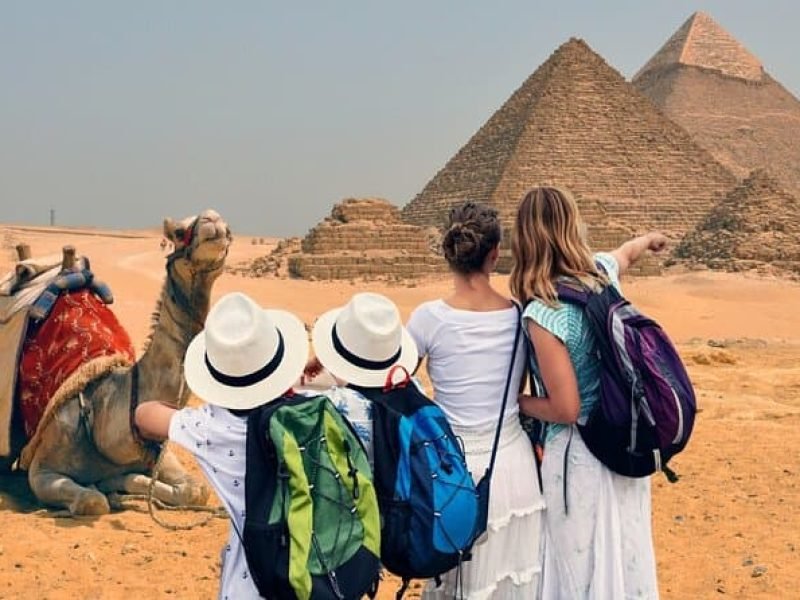
No Egypt bucket list is complete without a visit to the Giza Pyramids and the Sphinx. These iconic structures are not only architectural marvels but also powerful symbols of ancient Egyptian civilization. Witnessing these wonders firsthand is an awe-inspiring experience that will stay with you forever.
However, to truly appreciate the Giza Plateau, it’s essential to go beyond the standard tourist experience. Explore the surrounding areas, learn about the history and construction of the pyramids, and consider visiting at different times of the day to witness the changing light.
Beyond the Tourist Trail: Enhancing Your Pyramid Experience
To make your visit to the Giza Pyramids truly unforgettable, consider these advanced tips:
- Visit the Solar Boat Museum: Discover the meticulously restored Solar Boat, believed to have been used by the pharaoh Khufu in the afterlife.
- Explore the Workers’ Village: Gain insights into the lives of the skilled laborers who built the pyramids by visiting their ancient village.
- Attend the Sound and Light Show: Experience the pyramids illuminated at night, accompanied by a captivating narration of Egyptian history.
Furthermore, consider taking a guided tour with a knowledgeable Egyptologist who can provide deeper insights into the history, symbolism, and construction techniques of the pyramids. This will elevate your experience from a simple sightseeing trip to an educational and enriching journey through time. Remember to bring plenty of water, wear comfortable shoes, and protect yourself from the sun.
For a truly unique perspective, consider a camel ride across the desert surrounding the pyramids. This offers a stunning view of the structures and a glimpse into the ancient world. However, be sure to negotiate the price beforehand and choose a reputable operator.
Cruising the Nile River: A Timeless Journey
A Nile River cruise is a quintessential Egypt bucket list experience, offering a unique perspective on the country’s history, culture, and landscapes. As you glide along the lifeblood of Egypt, you’ll witness ancient temples, bustling cities, and picturesque villages, all while enjoying the comfort and luxury of a modern cruise ship.
However, not all Nile cruises are created equal. To make the most of your journey, it’s essential to choose the right itinerary, ship, and time of year. Consider factors such as the length of the cruise, the destinations visited, and the onboard amenities.
Crafting the Perfect Nile Cruise Experience
 To elevate your Nile cruise beyond the ordinary, consider these advanced strategies:
- Opt for a longer itinerary: A longer cruise allows you to explore more sites and delve deeper into Egyptian history and culture.
- Choose a smaller, more intimate ship: Smaller ships offer a more personalized experience and access to smaller ports and villages.
- Travel during the shoulder seasons: The shoulder seasons (spring and fall) offer pleasant weather and fewer crowds.
In addition, take advantage of the onboard lectures and guided tours to learn more about the history and significance of the sites you visit. Engage with the local culture by visiting markets, interacting with villagers, and trying traditional Egyptian cuisine. Consider a private felucca ride at sunset for a romantic and unforgettable experience.
The Nile River has been the life source of Egypt for millennia, and a cruise along its waters provides a unique opportunity to connect with the country’s ancient past and vibrant present. It’s a journey that will leave you with a deep appreciation for the beauty and wonder of Egypt.
Consider booking a cruise that includes visits to less-visited sites, such as Dendera and Abydos. These temples offer a more intimate and authentic experience, away from the crowds of Luxor and Aswan.
Diving or Snorkeling in the Red Sea
The Red Sea is renowned for its crystal-clear waters, vibrant coral reefs, and diverse marine life, making it a must-visit destination for divers and snorkelers. Exploring the underwater world of the Red Sea is an unforgettable Egypt bucket list experience that will leave you in awe of its natural beauty.
Whether you’re a seasoned diver or a complete beginner, the Red Sea offers something for everyone. From shallow coral gardens to deep-sea wrecks, there’s a wealth of underwater treasures to discover. However, to ensure a safe and enjoyable experience, it’s essential to choose a reputable dive operator and follow all safety guidelines.
Diving Deeper: Unlocking the Secrets of the Red Sea
To maximize your Red Sea diving or snorkeling adventure, consider these advanced tips:
- Obtain the appropriate certifications: If you’re not already certified, consider taking a diving course before your trip.
- Choose a reputable dive operator: Research and select a dive operator with a proven track record of safety and professionalism.
- Dive or snorkel in different locations: Explore the diverse dive sites along the Red Sea coast, from Hurghada to Sharm el-Sheikh.
Furthermore, consider taking a liveaboard diving trip to explore the more remote and pristine dive sites in the Red Sea. These trips offer the opportunity to dive multiple times a day and experience the full diversity of the underwater world. Be sure to research the different dive sites and choose those that are appropriate for your skill level.
Respect the marine environment by avoiding touching or disturbing the coral reefs and marine life. Use reef-safe sunscreen to protect the delicate ecosystem. The Red Sea is a precious natural resource, and it’s our responsibility to protect it for future generations. Explore private diving experiences for a more personalized adventure.
Visiting the Valley of the Kings and Luxor
Luxor, often referred to as the world’s greatest open-air museum, is home to a wealth of ancient Egyptian treasures, including the Valley of the Kings, Karnak Temple, and Luxor Temple. A visit to Luxor is an essential Egypt bucket list experience for anyone interested in ancient history and archaeology.
The Valley of the Kings is the final resting place of many pharaohs, including Tutankhamun. Exploring the elaborately decorated tombs is a fascinating glimpse into the ancient Egyptian beliefs about the afterlife. Karnak Temple is the largest religious structure ever built, a sprawling complex of temples, chapels, and pylons dedicated to the Theban Triad.
Unlocking the Secrets of Luxor: An Advanced Exploration
To enhance your Luxor experience, consider these advanced strategies:
- Visit the West Bank early in the morning: Avoid the crowds and the heat by visiting the Valley of the Kings and other West Bank sites early in the morning.
- Hire a private guide: A knowledgeable guide can provide deeper insights into the history and significance of the sites.
- Explore the less-visited tombs: Some of the less-visited tombs in the Valley of the Kings are just as impressive as the more popular ones.
Consider taking a hot air balloon ride over Luxor at sunrise for a breathtaking view of the city and its ancient monuments. This is an unforgettable experience that will provide a unique perspective on the scale and grandeur of ancient Egyptian civilization. Remember to book your hot air balloon ride in advance, as they are very popular. Consider a tour from Hurghada to the Cairo Museum to see more of Egypt’s history.
Wear comfortable shoes, as you’ll be doing a lot of walking. Bring plenty of water and sunscreen to protect yourself from the sun. Respect the ancient sites by avoiding touching or climbing on the monuments. Luxor is a treasure trove of ancient history, and it’s our responsibility to preserve it for future generations.
Exploring Ancient Temples: Karnak and Abu Simbel
Egypt is renowned for its magnificent ancient temples, and Karnak and Abu Simbel stand out as particularly impressive examples. Exploring these temples is a journey back in time, offering a glimpse into the religious beliefs, artistic achievements, and engineering prowess of the ancient Egyptians. These are essential stops on any Egypt bucket list.
Karnak Temple, located in Luxor, is the largest religious structure ever built, a sprawling complex of temples, chapels, and pylons dedicated to the Theban Triad. Abu Simbel, located near Aswan, is famous for its colossal statues of Pharaoh Ramses II, which were moved to higher ground in the 1960s to save them from flooding.
Delving Deeper into Temple Culture: Advanced Strategies
To maximize your temple exploration, consider these advanced strategies:
- Research the history and significance of each temple: Understanding the context of the temples will enhance your appreciation of their beauty and grandeur.
- Visit the temples at different times of the day: The light changes throughout the day, revealing different aspects of the temples’ architecture and decoration.
- Hire a local guide: A knowledgeable guide can provide deeper insights into the history, symbolism, and construction techniques of the temples.
Consider attending the Abu Simbel Sound and Light Show, which tells the story of Ramses II and his reign. This is a spectacular experience that will bring the temple to life. Allow ample time to explore each temple, as there is much to see and discover. Take your time to admire the intricate carvings, towering columns, and impressive statues.
Respect the ancient sites by avoiding touching or climbing on the monuments. Dress modestly when visiting temples. The temples of Egypt are a testament to the ingenuity and artistry of the ancient Egyptians, and they offer a unique opportunity to connect with the past.
Consider visiting the Temple of Hatshepsut, a unique mortuary temple dedicated to the female pharaoh Hatshepsut. Its stunning architecture and dramatic setting make it a must-see destination.
Experiencing the Magic of the White Desert
The White Desert, located in western Egypt, is a surreal and otherworldly landscape of chalk-white rock formations sculpted by wind and sand. Spending a night under the stars in the White Desert is an unforgettable Egypt bucket list experience that will leave you in awe of the power and beauty of nature.
The White Desert is a protected area, and it’s essential to travel with a reputable tour operator who respects the environment. The best time to visit the White Desert is during the cooler months (October to April). Be prepared for extreme temperatures, as it can be very hot during the day and very cold at night.
Unlocking the Secrets of the White Desert: An Advanced Guide
To make the most of your White Desert adventure, consider these advanced tips:
- Choose a tour operator with a strong commitment to sustainability: Ensure that your tour operator minimizes their impact on the environment.
- Bring warm clothes for the night: The desert can get very cold at night, even during the warmer months.
- Bring a camera to capture the stunning landscapes: The White Desert offers incredible photo opportunities.
Consider taking a 4×4 tour of the White Desert to explore the more remote and inaccessible areas. This will allow you to see the most impressive rock formations and experience the true vastness of the desert. Be sure to bring plenty of water and sunscreen, as there is no shade in the desert.
Respect the environment by avoiding littering and disturbing the delicate ecosystem. The White Desert is a fragile and unique landscape, and it’s our responsibility to protect it for future generations. Experience the best desert safari from Hurghada for a taste of the Egyptian desert.
Consider visiting the nearby Black Desert, a volcanic landscape with black hills and dunes. The contrast between the White Desert and the Black Desert is striking and offers a unique perspective on the diversity of the Egyptian landscape. Also, consider visiting Crystal Mountain, a unique geological formation made of quartz crystals.
Navigating the Risks and Misconceptions
While Egypt offers incredible experiences, it’s essential to be aware of potential risks and misconceptions. Understanding these issues can help you plan a safe and enjoyable trip. Common misconceptions include the idea that Egypt is perpetually unsafe or that all interactions are scams. While petty theft can occur, violent crime against tourists is rare.
One common risk is overpaying for goods and services. Bargaining is expected in markets, but it’s crucial to know the fair price range. Another risk is dehydration and heatstroke, especially during the summer months. It’s essential to drink plenty of water and avoid strenuous activity during the hottest part of the day.
Avoiding Pitfalls: A Guide to Safe and Informed Travel
To mitigate risks and avoid common pitfalls, consider these strategies:
- Research current safety conditions: Stay informed about any travel advisories issued by your government.
- Learn basic Arabic phrases: Knowing a few basic phrases can help you communicate with locals and avoid misunderstandings.
- Be aware of scams: Be wary of overly friendly strangers offering unsolicited services.
Always negotiate prices before agreeing to a service or purchasing an item. Use reputable transportation services and avoid unlicensed taxis. Be respectful of local customs and traditions. Dress modestly when visiting religious sites. By being informed and prepared, you can minimize risks and enjoy a safe and rewarding trip to Egypt.
Another common misconception is that all Egyptians are the same. Egypt is a diverse country with a rich cultural heritage. It’s important to be respectful of the different cultures and traditions within Egypt. Also, be aware of the political situation and avoid participating in any political activities.
Delving into Cairo’s Rich History
Cairo, the bustling capital of Egypt, is a city of contrasts, where ancient history meets modern life. Exploring Cairo’s rich history is an essential Egypt bucket list experience, offering a glimpse into the country’s past and present. From the iconic Egyptian Museum to the historic Islamic Cairo district, there’s a wealth of cultural treasures to discover.
The Egyptian Museum is home to the world’s largest collection of ancient Egyptian artifacts, including the treasures of Tutankhamun. Islamic Cairo is a UNESCO World Heritage Site, with a maze of narrow streets, mosques, and madrassas dating back to the medieval period.
Unlocking Cairo’s Secrets: An Advanced Exploration
To enhance your Cairo experience, consider these advanced strategies:
- Visit the Egyptian Museum early in the morning: Avoid the crowds and the heat by visiting the museum early in the morning.
- Explore Islamic Cairo with a local guide: A knowledgeable guide can provide deeper insights into the history and culture of the district.
- Visit the Citadel of Saladin: The Citadel offers stunning views of Cairo and a glimpse into the city’s military history.
Consider taking a felucca ride on the Nile River to see Cairo from a different perspective. This is a relaxing and enjoyable way to experience the city. Be sure to visit the Khan el-Khalili bazaar, a vibrant marketplace where you can find souvenirs, spices, and traditional Egyptian crafts.
Wear comfortable shoes, as you’ll be doing a lot of walking. Be prepared for the chaotic traffic and the crowds. Cairo is a vibrant and exciting city, but it can also be overwhelming. Take your time to explore the city and soak up the atmosphere. Consider private tours in the Red Sea area to complement your Cairo experience.
Visit Coptic Cairo, a historic district with ancient churches and monasteries. This area offers a glimpse into the history of Christianity in Egypt. Also, consider visiting the City of the Dead, a unique necropolis with elaborate tombs and mausoleums.
Relaxing in the Oasis of Siwa
Siwa Oasis, located in the western desert of Egypt, is a remote and tranquil oasis with lush palm groves, ancient ruins, and natural springs. Relaxing in the Oasis of Siwa is an unforgettable Egypt bucket list experience, offering a respite from the hustle and bustle of modern life.
Siwa is known for its unique culture and traditions, which have been preserved due to its isolation. The oasis is home to several ancient sites, including the Temple of the Oracle and the Mountain of the Dead.
Unlocking the Secrets of Siwa: An Advanced Guide
To make the most of your Siwa Oasis experience, consider these advanced tips:
- Visit Siwa during the cooler months: The best time to visit Siwa is during the cooler months (October to April).
- Stay in a traditional Siwan guesthouse: Experience the local culture by staying in a traditional guesthouse.
- Explore the oasis by donkey cart: This is a relaxing and enjoyable way to see the sights.
Consider visiting Cleopatra’s Pool, a natural spring where Cleopatra is said to have bathed. Be sure to visit the Shali Fortress, an ancient mud-brick fortress that dominates the skyline of Siwa. Take a dip in one of the many salt lakes in the oasis.
Respect the local culture and traditions. Dress modestly when visiting religious sites. Siwa is a unique and special place, and it’s our responsibility to preserve its culture and environment. Consider a boat charter in Hurghada for a different kind of relaxation experience.
Visit the Fatnas Island, a small island in the Siwa Lake with stunning views of the oasis. Also, consider visiting the Aghurmi village, an ancient village with traditional Siwan architecture.
Frequently asked questions about Egypt bucket list experiences
What is the best time to visit Egypt for bucket list experiences?
The best time to visit Egypt is during the cooler months, from October to April. The weather is more pleasant for outdoor activities and sightseeing.
How much does it cost to experience the Egypt bucket list?
The cost of experiencing the Egypt bucket list varies depending on your travel style, accommodation preferences, and activities. A budget of $1000-$3000 per person for a 10-day trip is a reasonable estimate.
What are the essential items to pack for an Egypt trip?
Essential items to pack for an Egypt trip include comfortable shoes, sunscreen, a hat, sunglasses, insect repellent, and a first-aid kit. Also, pack modest clothing for visiting religious sites.
Is it safe to travel to Egypt?
While there are some safety concerns, traveling to Egypt is generally safe. It’s essential to stay informed about current safety conditions and take precautions to protect yourself from petty theft and scams.
What are the local customs and traditions to respect in Egypt?
It’s important to dress modestly when visiting religious sites, avoid public displays of affection, and be respectful of local customs and traditions. Learning a few basic Arabic phrases can also be helpful.
What are some unique souvenirs to buy in Egypt?
Some unique souvenirs to buy in Egypt include papyrus paintings, alabaster carvings, spices, perfumes, and traditional Egyptian crafts. Bargaining is expected in markets, so be sure to negotiate the price.
How can I experience the local culture in Egypt?
You can experience the local culture in Egypt by visiting markets, interacting with villagers, trying traditional Egyptian cuisine, and attending cultural events. Consider taking a cooking class or learning some basic Arabic phrases.
What are some day trips from Hurghada?
Some popular day trips from Hurghada include visiting Luxor, Cairo, and the desert for a safari adventure. Sunset quad safaris are a great option.
Ready to Experience This in Person?
Book the official Orange Bay & Giftun Islands Boat Trip with Hurghada Sun Seekers. Enjoy guaranteed best local prices, hotel transfers, and flexible free cancellation.
Conclusion
Egypt bucket list experiences offer a unique blend of history, culture, and adventure. From exploring the ancient pyramids to diving in the Red Sea, Egypt provides a wealth of unforgettable memories.
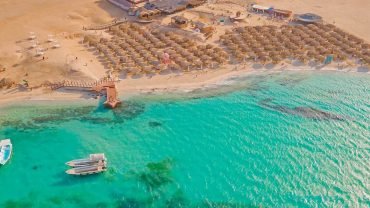
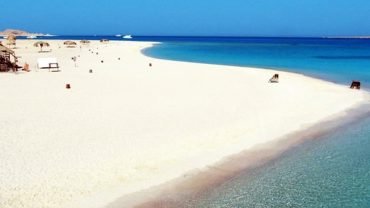
Start planning your dream trip to Egypt today and discover the magic of this incredible country. Consider exploring Paradise Island or relaxing on the best beaches in Hurghada to add even more to your Egypt adventure.
For broader travel context while planning your Egypt holiday, you can also visit the official Egypt tourism guide.

Comment (0)