

Dolphin house snorkeling trip: 7 Perfect Free Tips
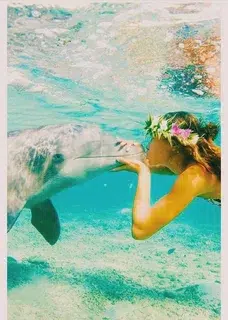
A Dolphin house snorkeling trip offers a unique opportunity to swim and interact with dolphins in their natural habitat. These trips, often based in the Red Sea near Hurghada, Egypt, provide unforgettable experiences for snorkelers of all levels. This guide covers essential information to help you plan the perfect Dolphin house snorkeling adventure.
Understanding the Dolphin house snorkeling trip Experience
A Dolphin house snorkeling trip is more than just a boat ride; it’s an immersive experience that connects you with the marine environment. These trips typically involve sailing to areas known as “Dolphin Houses,” which are shallow reef systems where dolphins frequently congregate.
The primary goal is to observe and, if the dolphins are receptive, swim alongside these intelligent creatures. The experience is highly dependent on the dolphins’ behavior; ethical tour operators prioritize the animals’ well-being and avoid causing them stress.
The Significance of Dolphin Houses
Dolphin Houses are specific reef formations that provide shelter and resting areas for dolphins. These areas are often characterized by calm, clear waters and abundant marine life, making them ideal habitats for these marine mammals.
- Protection: The reefs offer protection from strong currents and predators.
- Resting Areas: Dolphins use these areas to rest and socialize.
- Feeding Grounds: The reefs attract a variety of fish, providing a food source for dolphins.
Understanding the importance of these Dolphin Houses helps to appreciate the need for responsible tourism and conservation efforts to protect these vital habitats.
Types of Dolphins You Might Encounter
The Red Sea is home to several species of dolphins, but the most common one you’re likely to encounter on a Dolphin house snorkeling trip is the bottlenose dolphin (Tursiops truncatus). These dolphins are known for their intelligence, playful behavior, and willingness to interact with humans.
- Bottlenose Dolphins: The most frequently seen species, known for their friendly nature.
- Spinner Dolphins: Occasionally sighted, these dolphins are recognized by their acrobatic spinning behavior.
- Risso’s Dolphins: Less common but can be identified by their unique scarred bodies.
Each species has its own unique characteristics and behaviors, adding to the diversity of the marine environment you’ll experience. Respecting their space and observing them responsibly is crucial for their well-being.
The Role of Responsible Tourism
Responsible tourism is essential for ensuring the sustainability of Dolphin house snorkeling trips. This involves choosing tour operators who adhere to ethical guidelines, respect the dolphins’ natural behavior, and contribute to conservation efforts.
- Ethical Guidelines: Tour operators should follow guidelines that prioritize the dolphins’ well-being.
- Conservation Efforts: Supporting operators who contribute to marine conservation projects helps protect these habitats.
- Education: Educating tourists about responsible behavior promotes a culture of respect for marine life.
By making informed choices and supporting responsible tourism practices, you can help ensure that future generations can also enjoy the wonder of swimming with dolphins in their natural environment.

What to Expect on a Dolphin house snorkeling trip
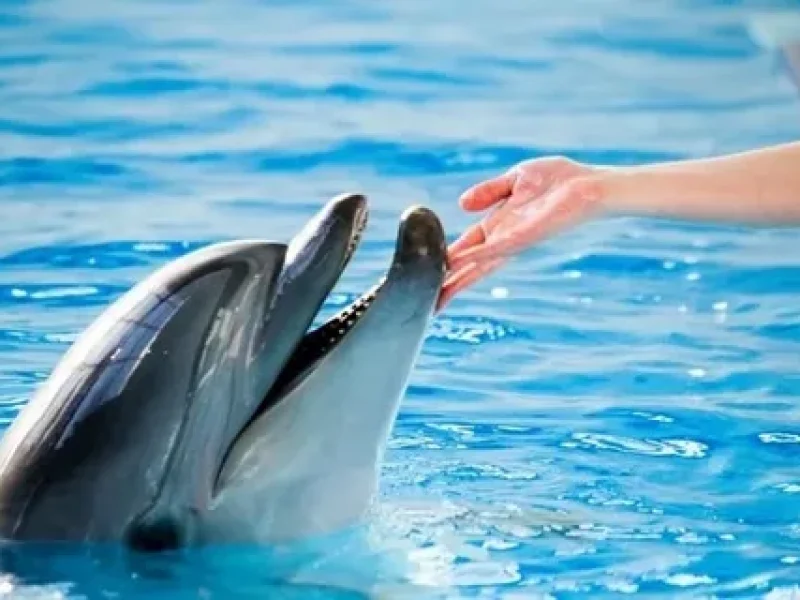
A typical Dolphin house snorkeling trip starts with a boat ride to one of the known Dolphin Houses. The duration of the trip can vary, but most tours last between 4 to 8 hours. The itinerary usually includes multiple snorkeling stops, meals, and opportunities to relax on the boat.
The experience itself involves entering the water and observing the dolphins from a safe distance. The interaction is usually passive, with snorkelers floating gently on the surface and allowing the dolphins to approach them if they choose. It’s important to remember that these are wild animals, and their behavior can be unpredictable.
A Typical Itinerary
Understanding the structure of a typical Dolphin house snorkeling trip can help you prepare and make the most of your experience. Here’s a general outline of what you can expect:
- Departure: The trip usually starts in the morning from a marina in Hurghada or a nearby coastal town.
- Sailing to Dolphin House: The boat ride to the Dolphin House can take between 1 to 2 hours, depending on the location.
- Snorkeling Stops: The tour typically includes 2 to 3 snorkeling stops at different locations within the Dolphin House area.
- Lunch: A buffet-style lunch is usually served on board, offering a variety of dishes.
- Relaxation: Time is allocated for sunbathing, relaxing, and enjoying the scenery.
- Return: The boat returns to the marina in the late afternoon.
Each tour operator may have a slightly different itinerary, so it’s always a good idea to check the details before booking.
What to Bring on Your Trip
Being prepared with the right items can significantly enhance your Dolphin house snorkeling trip experience. Here’s a checklist of essential items to bring:
- Swimsuit: Essential for getting in the water.
- Towel: To dry off after snorkeling.
- Sunscreen: Protect your skin from the strong sun.
- Hat and Sunglasses: Provide additional protection from the sun.
- Waterproof Camera: To capture the amazing underwater moments.
- Motion Sickness Medication: If you’re prone to seasickness.
- Cash: For tipping the crew and purchasing souvenirs.
Bringing these items will ensure you’re comfortable and prepared for a day of snorkeling and dolphin watching.
Understanding Dolphin Behavior
Gaining a basic understanding of dolphin behavior can enhance your experience and help you interact with these animals more respectfully. Dolphins are highly intelligent and social creatures with complex communication patterns.
- Social Structure: Dolphins live in pods, which are social groups that can range in size from a few individuals to several dozen.
- Communication: They communicate through a variety of sounds, including clicks, whistles, and body language.
- Behavior: Dolphins exhibit a range of behaviors, including playing, hunting, and socializing.
By observing their behavior and respecting their space, you can create a more positive and enriching experience for both yourself and the dolphins. Learn more about dolphin behavior before your trip to enhance your understanding.
Essential Gear for Your Snorkeling Adventure
Having the right snorkeling gear is crucial for a safe and enjoyable Dolphin house snorkeling trip. While most tour operators provide basic equipment, such as masks, snorkels, and fins, it’s often worth considering bringing your own for a better fit and hygiene.
Additionally, other items like rash guards and underwater cameras can significantly enhance your experience. Investing in quality gear ensures comfort, safety, and the ability to capture unforgettable moments.
Choosing the Right Mask and Snorkel
The mask and snorkel are the most fundamental pieces of snorkeling gear. A well-fitting mask is essential for clear underwater vision, while a comfortable snorkel allows you to breathe easily without lifting your head.
- Mask Fit: The mask should create a tight seal around your face without being too tight.
- Snorkel Design: Look for a snorkel with a purge valve for easy water clearing.
- Material: Choose a mask with a silicone skirt for comfort and durability.
Trying on different masks and snorkels before purchasing can help you find the perfect fit and ensure a comfortable snorkeling experience.
The Importance of Fins
Fins provide propulsion and maneuverability in the water, making snorkeling easier and more efficient. There are two main types of fins: full-foot fins and open-heel fins. Full-foot fins are worn without booties, while open-heel fins require booties for comfort and fit.
- Full-Foot Fins: Lightweight and easy to use, ideal for warm water snorkeling.
- Open-Heel Fins: More versatile and can be used with booties for added warmth and comfort.
- Blade Design: Choose fins with a blade design that suits your swimming style and strength.
Properly fitted fins can significantly improve your snorkeling experience, allowing you to move through the water with ease and conserve energy.
Other Useful Gear
In addition to the basic mask, snorkel, and fins, there are several other items that can enhance your Dolphin house snorkeling trip:
- Rash Guard: Provides protection from the sun and jellyfish stings.
- Underwater Camera: Allows you to capture stunning underwater photos and videos.
- Wetsuit: Provides warmth in cooler waters.
- Dive Boots: Offer protection and comfort when wearing open-heel fins.
Consider investing in these additional items to maximize your comfort and enjoyment during your snorkeling adventure. Explore more gear options for your trip.
Choosing the Right Tour Operator
Selecting a reputable and ethical tour operator is crucial for a responsible and enjoyable Dolphin house snorkeling trip. Not all tour operators prioritize the well-being of the dolphins, and some may engage in practices that can harm these animals and their habitat.
Researching and choosing a tour operator committed to sustainable tourism practices ensures that your experience is both memorable and environmentally responsible. Look for operators with certifications, positive reviews, and a clear commitment to dolphin welfare.
Factors to Consider When Choosing a Tour Operator
When evaluating tour operators for your Dolphin house snorkeling trip, consider the following factors:
- Ethical Practices: Does the operator adhere to guidelines that protect the dolphins’ well-being?
- Certifications: Does the operator have any certifications related to sustainable tourism?
- Reviews: What do other customers say about their experiences with the operator?
- Group Size: Does the operator limit the number of participants to minimize impact on the dolphins?
- Education: Does the operator provide information about dolphin behavior and conservation?
Taking these factors into account can help you choose a tour operator that aligns with your values and ensures a responsible snorkeling experience.
Questions to Ask Before Booking
Before booking a Dolphin house snorkeling trip, ask the tour operator the following questions to assess their commitment to ethical practices:
- What measures do you take to minimize disturbance to the dolphins?
- Do you have a policy on approaching dolphins?
- What is your group size limit?
- Do you contribute to any conservation efforts?
- What is your policy on feeding the dolphins? (Feeding should be strictly prohibited)
The answers to these questions will provide valuable insights into the operator’s approach to dolphin tourism and help you make an informed decision.
Recognizing Unethical Practices
Be aware of the following unethical practices that some tour operators may engage in:
- Chasing Dolphins: Aggressively pursuing dolphins with boats.
- Overcrowding: Allowing too many snorkelers in the water at once.
- Feeding Dolphins: Providing food to attract dolphins, which can disrupt their natural behavior.
- Touching Dolphins: Allowing or encouraging snorkelers to touch the dolphins.
Avoiding tour operators who engage in these practices helps to protect the dolphins and promote responsible tourism. Book responsibly and support ethical operators.
Safety Tips for Snorkeling with Dolphins
Snorkeling with dolphins can be an incredible experience, but it’s essential to prioritize safety. Understanding the potential risks and taking appropriate precautions can help ensure a safe and enjoyable adventure.
Always follow the instructions of your tour guide, be aware of your surroundings, and respect the dolphins’ space. Proper preparation and awareness are key to a safe snorkeling experience.
Understanding Potential Risks
Before embarking on your Dolphin house snorkeling trip, be aware of the following potential risks:
- Marine Life: While dolphins are generally friendly, other marine life, such as jellyfish or sea urchins, can pose a risk.
- Currents: Strong currents can make snorkeling challenging and potentially dangerous.
- Sun Exposure: Prolonged exposure to the sun can lead to sunburn and heatstroke.
- Seasickness: Motion sickness can affect your ability to enjoy the trip.
- Dehydration: Not drinking enough water can lead to dehydration.
Being aware of these risks allows you to take appropriate precautions and minimize potential hazards.
Essential Safety Precautions
Take the following safety precautions to ensure a safe Dolphin house snorkeling trip:
- Listen to Your Guide: Follow the instructions and advice of your tour guide.
- Stay with the Group: Avoid straying too far from the group.
- Use Proper Gear: Ensure your snorkeling gear fits properly and is in good condition.
- Apply Sunscreen: Protect your skin from the sun with sunscreen.
- Stay Hydrated: Drink plenty of water throughout the trip.
Following these precautions can significantly reduce the risk of accidents and ensure a safe snorkeling experience.
Respecting Dolphin Space
Respecting the dolphins’ space is crucial for their well-being and your safety. Avoid the following behaviors:
- Chasing Dolphins: Do not chase or harass the dolphins.
- Touching Dolphins: Do not attempt to touch the dolphins.
- Loud Noises: Avoid making loud noises that could startle the dolphins.
- Feeding Dolphins: Do not feed the dolphins.
By respecting their space and observing them from a safe distance, you can help ensure that the dolphins remain comfortable and undisturbed. Prioritize dolphin safety on your trip.
Common Misconceptions and Ethical Considerations
There are several common misconceptions about Dolphin house snorkeling trips that can lead to unethical practices and harm to the dolphins. Understanding these misconceptions and adhering to ethical guidelines is crucial for responsible tourism.
Addressing these misconceptions and promoting ethical behavior ensures that Dolphin house snorkeling trips remain a sustainable and enjoyable experience for both humans and dolphins.
Misconception 1: Dolphins Always Want to Interact
One common misconception is that dolphins always want to interact with humans. In reality, dolphins are wild animals with their own needs and behaviors. Forcing interaction can cause them stress and disrupt their natural activities.
- Reality: Dolphins may not always be receptive to human interaction.
- Ethical Approach: Allow the dolphins to approach you if they choose, and respect their space if they don’t.
- Consequences of Forcing Interaction: Stress, disruption of natural behavior, and potential harm to the dolphins.
Recognizing that dolphins have their own agency and respecting their choices is essential for ethical tourism.
Misconception 2: Feeding Dolphins is Harmless
Another misconception is that feeding dolphins is a harmless way to attract them. Feeding dolphins can disrupt their natural hunting behavior and make them dependent on humans for food.
- Reality: Feeding dolphins can harm their health and disrupt their natural behavior.
- Ethical Approach: Never feed the dolphins.
- Consequences of Feeding: Dependence on humans, disruption of hunting behavior, and potential health problems.
Avoiding feeding dolphins helps to ensure that they maintain their natural hunting skills and remain healthy.
Ethical Guidelines for Dolphin Encounters
Adhere to the following ethical guidelines to ensure a responsible Dolphin house snorkeling trip:
- Choose Ethical Tour Operators: Select operators who prioritize dolphin welfare and adhere to sustainable tourism practices.
- Respect Dolphin Space: Observe dolphins from a safe distance and avoid chasing or harassing them.
- Do Not Feed Dolphins: Never feed the dolphins.
- Avoid Loud Noises: Keep noise levels to a minimum to avoid startling the dolphins.
- Educate Yourself: Learn about dolphin behavior and conservation.
By following these guidelines, you can help ensure that Dolphin house snorkeling trips remain a sustainable and ethical experience. Consider a private excursion for a more controlled and ethical experience.
Frequently asked questions about Dolphin house snorkeling trip
What is a Dolphin house snorkeling trip?
A Dolphin house snorkeling trip is a guided excursion to areas known as “Dolphin Houses” in the Red Sea, where snorkelers can observe and potentially swim with dolphins in their natural habitat. These trips are popular in areas like Hurghada, Egypt, and offer a unique opportunity to interact with these intelligent marine mammals.
What should I bring on a Dolphin house snorkeling trip?
Essential items to bring include a swimsuit, towel, sunscreen, hat, sunglasses, and a waterproof camera. It’s also a good idea to bring motion sickness medication if you’re prone to seasickness, and cash for tipping the crew and purchasing souvenirs. Bringing your own snorkeling gear can also enhance your experience.
How long does a typical Dolphin house snorkeling trip last?
A typical Dolphin house snorkeling trip lasts between 4 to 8 hours, including the boat ride to and from the Dolphin House, snorkeling stops, lunch, and time for relaxation. The exact duration can vary depending on the tour operator and the specific itinerary.
Is it safe to snorkel with dolphins?
Snorkeling with dolphins is generally safe, but it’s essential to follow safety precautions and respect the dolphins’ space. Listen to your tour guide, stay with the group, use proper gear, and avoid chasing or touching the dolphins. Being aware of potential risks and taking appropriate precautions can help ensure a safe experience.
What are some ethical considerations for Dolphin house snorkeling trips?
Ethical considerations include choosing tour operators who prioritize dolphin welfare, respecting dolphin space, not feeding the dolphins, avoiding loud noises, and educating yourself about dolphin behavior and conservation. Supporting responsible tourism practices helps to ensure that these trips remain sustainable and enjoyable for both humans and dolphins.
What types of dolphins might I see on a Dolphin house snorkeling trip?
The most common type of dolphin you’re likely to see is the bottlenose dolphin. Occasionally, you might also spot spinner dolphins or Risso’s dolphins. Each species has its own unique characteristics and behaviors, adding to the diversity of the marine environment.
How can I choose a responsible tour operator for a Dolphin house snorkeling trip?
Look for tour operators with certifications related to sustainable tourism, positive reviews, and a clear commitment to dolphin welfare. Ask questions about their practices, such as how they minimize disturbance to the dolphins and whether they contribute to any conservation efforts. Avoid operators who engage in unethical practices like chasing or feeding dolphins.
What should I do if I encounter a dolphin while snorkeling?
If you encounter a dolphin while snorkeling, remain calm and avoid making sudden movements. Allow the dolphin to approach you if it chooses, and respect its space by not chasing or touching it. Observe the dolphin from a safe distance and enjoy the experience.
Ready to Experience This in Person?
Book the official Dolphin House Hurghada Tour with Hurghada Sun Seekers. Enjoy guaranteed best local prices, hotel transfers, and flexible free cancellation.
Conclusion
A Dolphin house snorkeling trip offers an unforgettable experience to connect with marine life in its natural habitat. By understanding what to expect, choosing a responsible tour operator, and following safety and ethical guidelines, you can ensure a memorable and sustainable adventure.
Ready to embark on your own Dolphin house snorkeling trip? Explore available tours and book your adventure today for an unforgettable experience in the Red Sea. Book your trip now!
For broader travel context while planning your Red Sea holiday, you can also visit the official Egypt tourism guide.


Comment (0)